 Chuckanut Exterior
 Why Windows Wear Differently in Alger
Alger sits close enough to the Chuckanut shoreline and the Salish Sea that homes here take on a different kind of weather load than houses twenty miles inland. Salt-laden air moves through on a regular basis, driving rain comes in sideways off the water during fall and winter storms, and the tree cover that makes this part of Whatcom County so pleasant to live in also keeps humidity and shade lingering on north and west-facing walls for months at a time. Windows are one of the first parts of a house to show the effects. Hardware corrodes faster, seals fail earlier, and any gap in the original installation becomes an entry point for moisture that doesn't dry out quickly under a canopy of Douglas fir and big-leaf maple.
A custom window job in Alger isn't just about picking a style out of a catalog. It's about matching frame material, glazing, and installation detail to a specific exposure — a window on the water side of a home works differently than one tucked under a covered porch on the leeward side.
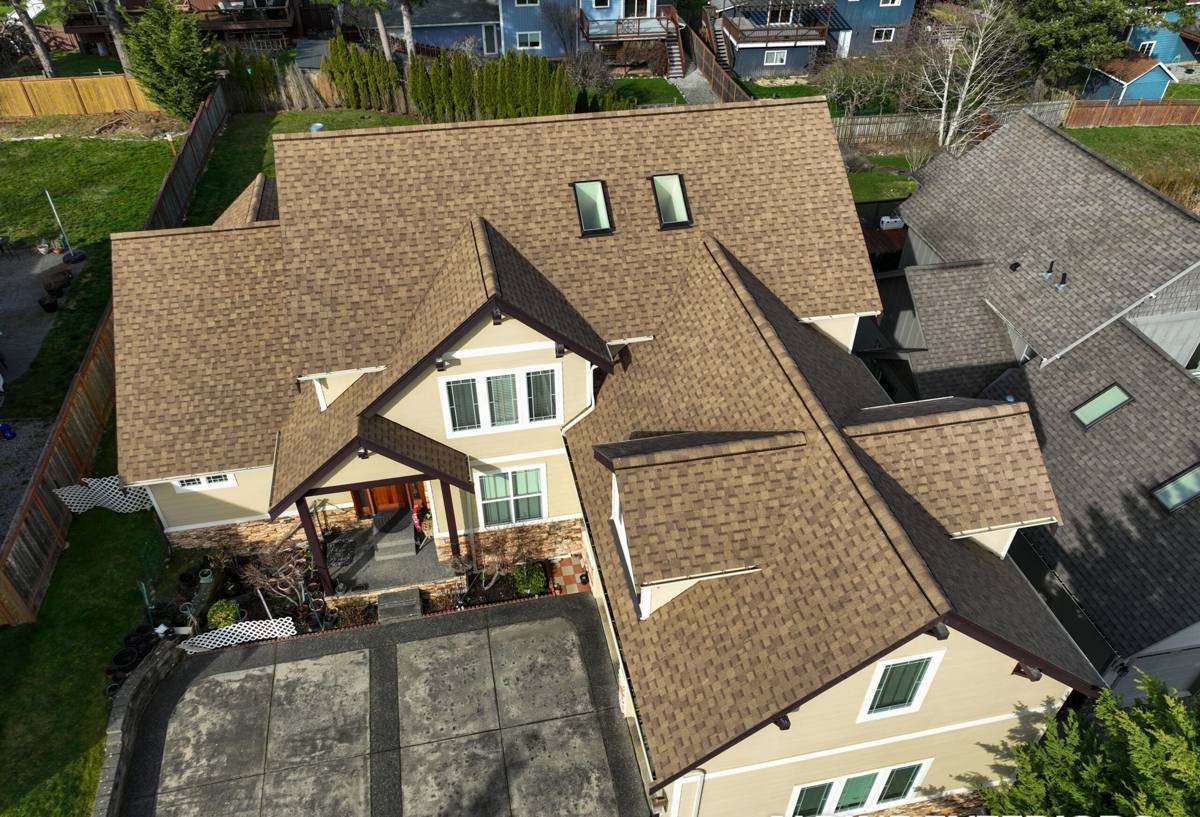
What "Custom" Actually Means Here
We use "custom" to mean windows sized and specified for the actual opening and actual exposure of your house, not a stock size forced into place with extra trim to hide the gaps. Most homes in and around Chuckanut were built in phases over decades, and rough openings are rarely uniform even within the same wall. Custom sizing avoids the shims, foam, and caulk gymnastics that a lot of budget replacement jobs rely on to make an off-the-shelf window fit.
Custom also covers configuration — casement versus double-hung versus a fixed picture unit with venting on either side — chosen based on which way weather hits that particular wall, how much cleaning access you want, and whether the opening needs to vent for kitchen or bathroom moisture control.
Where Custom Sizing Pays Off Most
- Older single-pane openings being upgraded to modern insulated glass, where the original rough opening rarely matches current standard sizes
- Additions or remodels where the wall was framed for a specific look, not a stock window
- Water-facing elevations where a slightly larger sill pan and flashing margin buys real protection
- Homes with settling or slightly out-of-square openings, common in older Whatcom County construction
The Climate Factors We Design Around
Salt Air and Hardware
Even a few miles from open water, airborne salt accelerates corrosion on lower-grade hinges, cranks, and locking hardware. It's slow and easy to ignore until a casement crank seizes or a lock stops aligning. We spec hardware finishes and frame fasteners rated for coastal exposure rather than the standard-grade components used further inland.
Driving Rain
Wind-driven rain doesn't just test the glass and frame — it tests the flashing, the sill pan, and the sealant joint where the window meets the wall assembly. Most window failures we see in this area aren't glass failures at all; they're water finding its way behind the frame because the original install skipped or shortcut the flashing detail.
Moss and Prolonged Damp
Shaded, tree-covered lots hold moisture longer after a storm passes. On wood-trimmed openings especially, that extended damp period is what feeds moss, mildew, and eventually rot at the sill and lower corners if the original wood wasn't properly sealed or if drainage behind the trim was never established.
What a Correct Installation Includes
A window is only as good as the parts of the job you don't see once trim is back on. Skipping any of these steps is the most common reason a "new window" still leaks, sweats, or fails early.
- Remove the old unit and inspect the rough opening framing for rot, soft wood, or prior water intrusion before anything new goes in
- Repair or replace any compromised framing — never install a new window over damaged wood
- Install a sloped sill pan so any water that gets past the glazing drains outward, not into the wall
- Apply flashing tape and housewrap integration in the correct shingle-lap order so water sheds down and out
- Set the window plumb, level, and square, shimming at structural points rather than relying on foam alone
- Insulate the gap between frame and rough opening with low-expansion foam sized for the cavity, not overfilled
- Seal the exterior with a compatible, paintable sealant rated for the frame material and this climate
- Reinstall or replace trim and confirm weep holes and drainage paths are clear, not caulked shut
Choosing a Frame Material for This Exposure
| Material | How it handles salt air and rain | Maintenance | Typical fit for Alger homes |
|---|---|---|---|
| Vinyl | Doesn't corrode; performs well against salt exposure | Low — occasional cleaning | Good all-around choice for most walls, including water-facing sides |
| Fiberglass | Very stable in temperature and moisture swings, holds paint well | Low to moderate | Strong option where you want a painted finish that lasts |
| Wood-clad | Needs a well-maintained exterior cladding layer to keep moisture off the wood core | Higher — cladding and interior wood need periodic attention | Best reserved for sheltered elevations, not the wettest wall of the house |
| Aluminum | Conducts cold and can promote condensation; corrosion resistance depends on finish quality | Moderate | Less common for full replacements here; sometimes used for specific architectural units |
None of these is universally "best" — the right call depends on which wall of the house we're talking about, how much upkeep you want to take on, and the look you're going for. We'll walk through the trade-offs for your specific openings rather than push one product line across the whole house.
Glass and Glazing Choices That Matter Locally
Double-pane insulated glass is the baseline for this climate — single-pane units simply don't hold up against Whatcom County's temperature swings and moisture load, and they cost more in heating bills than the upgrade saves in the short term. Beyond that baseline, a few choices are worth discussing on-site:
- Low-E coatings to manage summer heat gain on south and west exposures while retaining warmth in winter
- Argon or krypton gas fill between panes for added thermal performance on colder, exposed walls
- Tempered glass where code requires it — near doors, low sills, and other hazard locations
- Warm-edge spacer systems, which resist condensation better at the glass edge than older metal spacers, especially relevant given how much damp air this area holds
Our Process From First Call to Finished Job
We keep the process straightforward and don't push add-ons you don't need:
- On-site visit to measure openings, check framing condition, and talk through exposure per wall
- A written scope and estimate covering frame material, glazing spec, and installation detail — no vague allowances
- Ordering to the confirmed measurements, which is why we measure carefully before anything is built
- Removal, framing inspection, and repair of any hidden damage found once the old window is out
- Installation following the flashing and sealing sequence described above
- Final walk-through so you can see and test every unit before we consider the job done
Signs an Older Installation Is Already Failing
If you're not sure whether a window replacement is actually needed yet, these are the signs we look for during an estimate:
- Fogging or moisture between panes, meaning the seal has failed
- Soft or discolored trim and sill wood, especially on water-facing walls
- Visible moss or persistent green staining around the frame
- Drafts you can feel with a hand near the frame on a windy day
- Hardware that's stiff, corroded, or won't latch fully
- Paint or finish failing faster on one window than its neighbors — often a sign of a localized water problem
Ongoing Care for Whatcom County Conditions
Even a correctly installed window benefits from some seasonal attention in this climate:
- Clear weep holes and drainage tracks of debris and moss buildup each fall before the rainy season peaks
- Rinse salt residue off exterior hardware and glass periodically if you're on a water-facing elevation
- Check and refresh exterior caulking at the trim joint every few years — sealant is a wear item, not a one-time fix
- Watch for condensation patterns inside during cold snaps, which can flag ventilation or seal issues early
Why a Crew That Already Works Alger Matters
Window installation done right depends on reading a specific wall correctly — how exposed it is, how long it stays damp, what the framing looked like when the house was built. A crew that regularly works this stretch of Chuckanut and the surrounding Whatcom County area has already seen how local homes age, which details get skipped in lower-cost installs, and where the recurring problem spots tend to show up. That familiarity shows up in fewer surprises during removal and a flashing detail that's built for what this specific location actually throws at a house, not a generic national spec.
Get a Straight Answer for Your Home
If you're weighing whether it's time to replace windows on your Alger property, or you want a second opinion on a quote you've already received, we're happy to take a look and give you an honest read on condition, options, and realistic cost — no pressure, no upsell. Use the form below to request a free estimate.