 Chuckanut Exterior
 Why Two "Roof Quotes" Rarely Match
If you've asked more than one contractor to look at your roof, you've probably gotten two numbers that don't seem to be describing the same job. That's not necessarily a sign that someone is overcharging or underbidding — it's usually a sign that the two contractors are pricing different scopes of work, different materials, or different assumptions about what's underneath your current roof. Roofing is one of those trades where the sticker price only makes sense once you understand what's actually included.
This page walks through the real cost drivers behind a roof replacement in Chuckanut and the rest of Whatcom County, so you can read a quote and know what you're actually paying for — not just compare a bottom-line number.
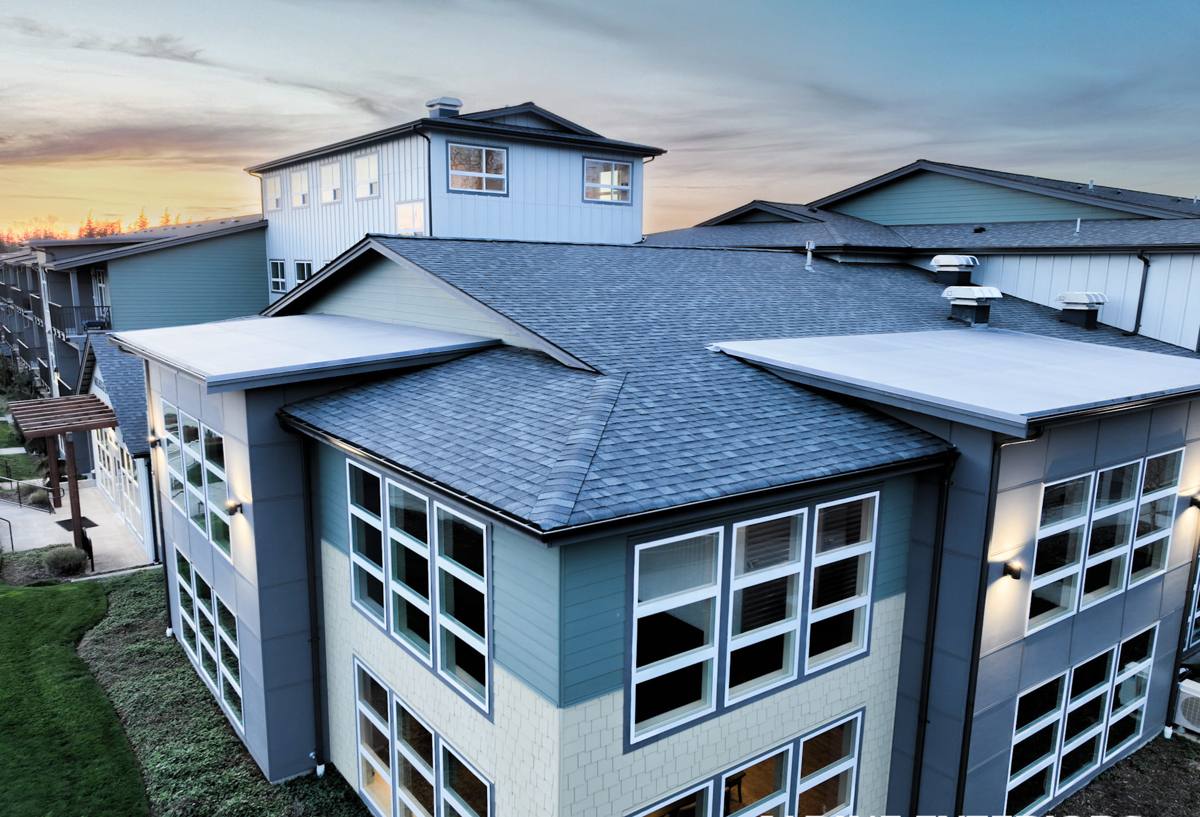
Material Choice: The Biggest Line Item
Material is usually the single largest swing factor in a roofing bid. It's not just about the price per square (a "square" is 100 square feet of roof) — it's about how long the material lasts, how it handles this region's weather, and what kind of labor it requires to install correctly.
| Material | Typical Lifespan | How It Handles Our Climate |
|---|---|---|
| 3-Tab Asphalt Shingle | 15-20 years | Budget-friendly, but thinner profile weathers faster under constant rain exposure |
| Architectural / Laminate Shingle | 25-30+ years | Heavier, better wind rating, more algae- and moss-resistant options available |
| Standing Seam Metal | 40-50+ years | Sheds moss and rain fast, handles salt air well, higher upfront cost |
| Cedar Shake | 20-30 years with upkeep | Attractive but requires regular treatment to resist moss and moisture rot |
| Synthetic/Composite Shingle | 30-50 years | Consistent performance, resists moisture absorption better than wood |
There's no universally "right" material — it depends on your budget, your roof's pitch and visibility, and how much maintenance you're willing to keep up with. What matters is that whoever quotes your roof explains why they're recommending a specific product for your specific house, not just defaulting to whatever they install most often.
Manufacturer Line Matters Too
Within any material category, there are budget-tier and premium-tier product lines. A basic 25-year shingle and a top-tier 50-year shingle from the same manufacturer can carry a meaningful price difference, but also a meaningful difference in wind rating, algae resistance, and warranty coverage. Ask specifically which product line is being quoted, not just the brand name.
Roof Size, Pitch, and Complexity
Square footage sets the baseline, but pitch and complexity move the number from there. A steep roof requires more safety equipment, slower and more careful work, and sometimes specialized crews — all of which add labor cost per square compared to a low-slope roof of the same size. Complexity matters just as much: a roof with multiple valleys, dormers, chimneys, and skylights takes far more time (and flashing material) than a simple rectangular roof, even at the same total square footage.
- Simple gable roofs are the fastest and least expensive to install per square
- Steep pitches (above roughly 6:12) increase labor cost due to safety and staging requirements
- Valleys, hips, dormers, and roof penetrations each add flashing work and labor time
- Multiple roof planes mean more waste material from cutting shingles to fit
What's Already on Your Roof
Tear-off is often underestimated. If your current roof has one layer of shingles, removal is relatively straightforward. If it has two layers stacked — which was common practice for years before code changes tightened up — a full tear-off takes longer, produces more debris to haul, and may reveal deck problems that were previously hidden. Contractors price tear-off based on what they expect to find, but the final cost can shift once the old roofing comes off and the deck is visible.
Decking Condition
Underneath your shingles is a plywood or OSB deck, and its condition is usually invisible until tear-off. Years of slow moisture intrusion, especially in a climate with as much driving rain as ours, can soften or rot sections of decking that look fine from the attic side. Replacing damaged decking is typically priced per sheet as an add-on, not baked into the original bid, because no honest contractor can know exactly how much deck repair is needed until the old roof is off.
Ventilation and Moisture Control
A roof isn't just the shingles you see — it's a system that has to move air and shed moisture correctly, or it fails early regardless of how good the material is. Proper ridge and soffit ventilation keeps the attic from trapping heat and moisture, which extends shingle life and helps prevent condensation-driven rot in the deck. Underlayment (the moisture barrier under the shingles) and flashing around every penetration — chimneys, vents, skylights — are what actually keep water out during the kind of long, driving rain Chuckanut sees for much of the year.
Ice-and-water shield along eaves and valleys, proper flashing details, and balanced intake/exhaust ventilation aren't optional upgrades — they're the difference between a roof that reaches its rated lifespan and one that fails from the inside out well before then. If a quote doesn't mention ventilation or underlayment at all, ask about it directly.
Moss: A Whatcom County Reality
Long, damp winters and heavy tree cover mean moss is a fact of life for most roofs in this area, not a sign that something was installed wrong. Moss holds moisture against the shingle surface and, left unchecked, can lift shingle edges and accelerate granule loss. Some shingle products include algae- and moss-resistant granules built in, and roof design choices — like reducing valleys where debris collects, or improving airflow to speed drying — can meaningfully slow moss regrowth. It's worth asking any contractor what they're doing to address moss specifically, not just what shingle color you're picking.
Labor, Permits, and Timing
Labor cost reflects crew experience, crew size, and how the job is scheduled. A well-staffed, experienced crew can often complete a straightforward roof in one to two days, which limits the number of days your home is exposed to weather mid-project — a real consideration given how much rain this region gets outside of the summer months. Permitting is typically required for a full roof replacement in Whatcom County and should be included in your quote, not billed as a surprise add-on.
Timing also affects price and availability. Late spring through early fall is peak roofing season here, when contractors are booked furthest out. Scheduling in the shoulder seasons can sometimes mean better contractor availability, though weather windows get tighter.
Warranty: What You're Actually Covered For
Roofing warranties come in layers, and it matters which ones apply to your job:
- Manufacturer material warranty — covers defects in the shingle or product itself
- Manufacturer system/enhanced warranty — often requires specific accessory products (underlayment, ventilation, starter strip) from the same manufacturer to qualify
- Contractor workmanship warranty — covers installation errors, separate from the manufacturer's coverage
A cheaper bid that skips enhanced-warranty-qualifying accessories, or that doesn't offer a workmanship warranty at all, isn't actually the same product as a bid that includes both. Always ask what warranty coverage applies and what would void it.
What to Ask For in a Roofing Quote
Before comparing numbers side by side, make sure each quote actually answers the same questions:
- Exact material and product line, including whether it's algae/moss-resistant
- Tear-off scope — how many layers, and how decking repair is priced if needed
- Underlayment type and ice-and-water shield locations
- Ventilation plan — intake and exhaust, not just "existing vents reused"
- Flashing details for chimneys, skylights, and valleys
- Manufacturer warranty tier and whether it's the enhanced/system version
- Workmanship warranty length and what it covers
- Permit responsibility and cleanup/haul-away included
If You're Also Looking at Your Siding
Roof replacement is often the moment homeowners take a hard look at the rest of the exterior, since scaffolding, staging, and disruption are already part of the picture. If your siding is aging alongside your roof, it's worth having both evaluated together rather than treating them as separate projects down the road — timing them together can simplify the disruption to your property, even if the work itself is scheduled separately. On the siding side, we only install James Hardie fiber cement, for reasons specific to how this region's rain and salt air treat different siding materials over time — that's a separate conversation, but one we're happy to have if it's relevant to your home.
If you'd like a straightforward, no-pressure look at what your specific roof would actually cost — with the material, ventilation, and warranty details spelled out rather than buried — we're glad to come take a look and put together a written estimate.