 Chuckanut Exterior
 Fairhaven's Exteriors Face a Different Set of Problems
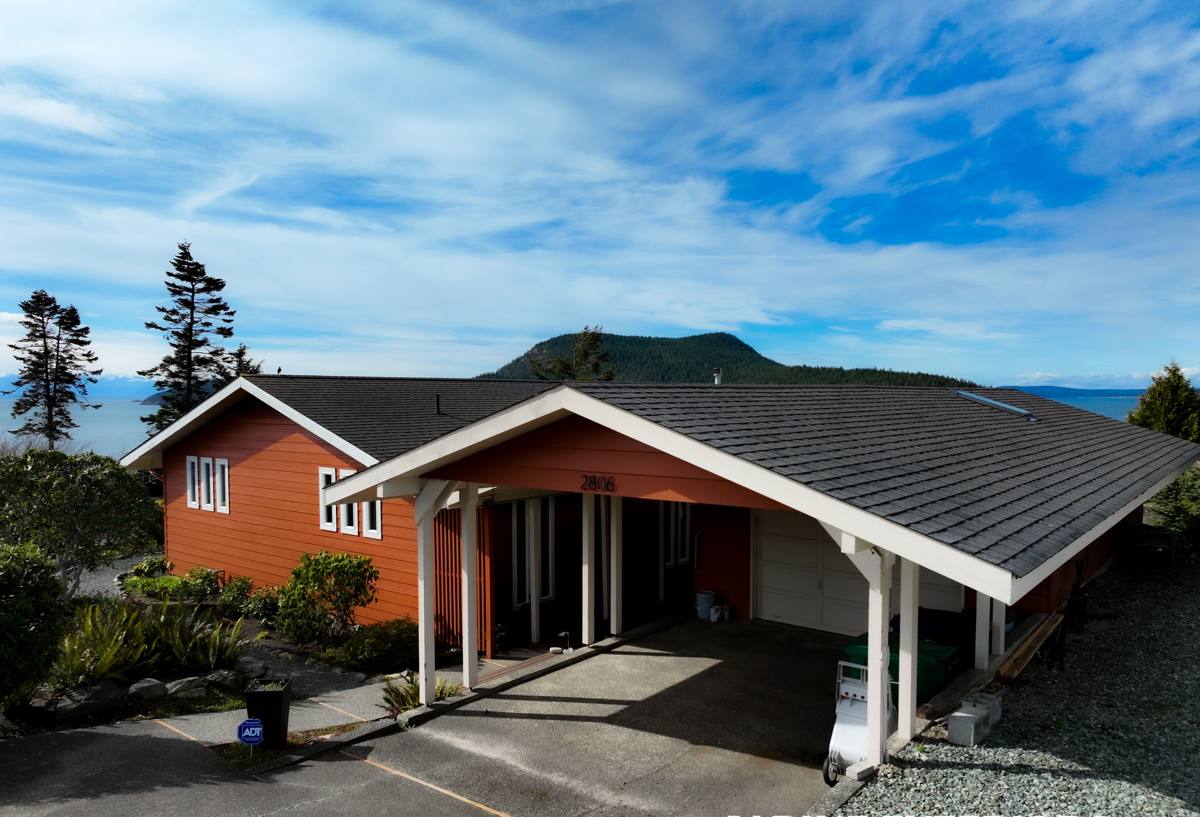
Homes near Fairhaven sit close enough to the water that salt air is a daily fact of life, not an occasional nuisance. Add in the driving rain that rolls off the Salish Sea for months at a stretch, plus the deep shade and constant dampness that this stretch of Whatcom County is known for, and you get an exterior environment that punishes anything not built for it. Paint fades and chalks faster near the shoreline. Wood siding and trim pick up moisture and hold onto it. Roofs stay damp under tree cover long after a storm has passed, which is exactly the recipe moss needs to take hold.
None of this means Fairhaven homes are doomed to constant repair — it means the materials and installation methods matter more here than they would somewhere drier and further inland. That's the lens we use on every siding, roofing, window, and deck project we take on in this area.
What We Actually See on Fairhaven Homes
After years of working exteriors throughout Chuckanut and the surrounding Whatcom County communities, a few patterns show up again and again on homes in and around Fairhaven:
- Wood or engineered wood siding with soft, delaminating spots at butt joints and lower courses, where moisture wicks in and never fully dries out
- Moss and algae staining on north-facing roof slopes and anywhere tree canopy blocks sun and airflow
- Window sills and frames with early paint failure or soft wood from years of wind-driven rain hitting the same exposures
- Deck ledger boards, fasteners, and railing posts corroding faster than inland homes due to salt-laden air
- Caulking and flashing details that were adequate when installed but were never built for decades of this specific climate load
These aren't signs of bad homes or bad luck — they're what happens when generic exterior products and standard installation details meet a coastal, wet, shaded microclimate over enough years.
Siding That's Built for Salt Air and Sustained Rain
We install James Hardie fiber cement siding exclusively, and Fairhaven's climate is a good example of why. Fiber cement is non-combustible and dimensionally stable — it doesn't swell, cup, or absorb water the way wood-based and wood-composite products can. That matters directly here: in an environment where siding stays damp longer between dry spells, a product that doesn't wick and hold moisture at the core is doing real work, not just looking good on a spec sheet.
Hardie's ColorPlus factory-applied finish is baked on under controlled conditions rather than field-applied, which gives it better resistance to the fading and chalking that salt air and UV accelerate along the water. And Hardie's HZ5 product line is engineered specifically for regions with more moisture cycling and freeze-thaw exposure than the mildest coastal zones — which fits Whatcom County's mix of marine humidity and occasional cold snaps better than a one-size-fits-all siding spec.
Why We Don't Install Everything on the Market
We get asked from time to time about vinyl, LP SmartSide, or other engineered wood options, usually because they cost less up front. Our answer is the same one we'd give any homeowner honestly: those products have their place, but we've chosen not to install them because of how they perform over a 20-30 year horizon in exactly this kind of climate — vinyl can warp and fade near the shoreline, and wood-based composites remain sensitive to sustained moisture exposure at seams and cut edges if installation isn't flawless. Rather than manage that risk for our customers, we standardized on one product system we can stand behind and warranty with confidence.
Roofing Built for a Long Wet Season
A roof in this part of Whatcom County spends a lot more of the year damp than a roof in a drier climate, and that changes what "good roofing" means. It's not just about keeping water out during a storm — it's about how a roof system sheds moisture and dries out between storms, and how well it resists moss and organic growth in shaded, low-airflow areas.
Our roofing work focuses on the details that actually matter for longevity here: proper underlayment for sustained wet exposure, flashing details at valleys and penetrations that don't rely on caulk alone, and adequate attic and roof ventilation so moisture isn't trapped underneath the roofing material itself. We also talk homeowners through realistic moss management — what can be prevented through better ventilation and material choice, and what simply requires periodic maintenance regardless of the roof installed.
Windows That Actually Seal Out the Weather
Driving rain finds the weak points in a window installation faster than almost anything else on a house. Most window failures we see aren't the glass or the frame — they're the flashing and sealing details around the window opening that were rushed or done without accounting for wind-driven rain hitting the wall assembly at an angle, which is common close to open water.
When we replace windows, we treat the flashing and integration with the surrounding wall — siding, house wrap, and trim — as the part of the job that determines whether the window performs for the next 20 years. The window unit itself matters, but a well-built window installed with poor water management around it will fail regardless of brand.
Decks Built for Salt Air and Shade
Decks near Fairhaven deal with a rougher combination than most: salt-laden air that accelerates corrosion on fasteners and hardware, and often heavy tree shade that keeps deck boards damp and slow to dry. That combination shows up as corroded connectors, soft or checking deck boards, and ledger connections that need closer attention during both construction and later inspection.
We spec corrosion-resistant fasteners and hardware as standard practice for decks in this area, not as an upgrade, and we pay close attention to ledger flashing and board spacing so air can actually move underneath and between boards. A deck built without those considerations can look fine for a few years and still be quietly deteriorating underneath.
Why a Local Crew Matters Here
Exterior work in a coastal, wet, shaded microclimate isn't the same job as exterior work fifty miles inland, even within the same county. A crew that works throughout Chuckanut and the surrounding communities on a regular basis knows which details fail first in this specific environment, because they've gone back and seen it happen. That local pattern recognition — where moss actually accumulates, which exposures take the worst wind-driven rain, how salt air ages different materials — is hard to replicate with a general contractor who isn't consistently working this stretch of Whatcom County.
Cost Factors to Understand Before You Start
Every home and project is different, but these are the main variables that drive cost on exterior projects in this area:
| Factor | Why It Matters Here |
|---|---|
| Existing moisture damage | Hidden rot behind siding or at deck framing, common in shaded/coastal homes, adds repair scope once uncovered |
| Tree cover and shade | Heavier moss and slower drying can mean more prep work and different material or ventilation choices |
| Home exposure to wind-driven rain | Water-facing and unsheltered walls often need more attention to flashing and sealing details |
| Access and site conditions | Sloped lots, limited access, or mature landscaping can affect labor time and staging |
| Material choice | Fiber cement siding, quality roofing systems, and corrosion-resistant deck hardware cost more up front but reduce long-term maintenance and replacement cycles |
What to Expect From an Estimate
A good exterior estimate should never be a drive-by guess. Before we quote anything, we look at the actual condition of your siding, roof, windows, or deck, not just the surface appearance.
- A walk-around inspection noting moisture damage, moss/algae buildup, and failing seals or flashing
- An honest read on what's cosmetic versus what's a real moisture or structural concern
- Clear material recommendations, with the reasoning behind them for this specific climate
- A written scope of work and price — no vague allowances or surprise change orders
- A realistic timeline that accounts for our wet-season weather windows
If a contractor can't walk you through why they're recommending a specific product or approach for your home's exposure, that's worth asking more questions about before signing anything.
Let's Take a Look at Your Home
If you're noticing early wear on siding, moss creeping across the roof, drafty windows, or a deck that's starting to feel soft in spots, it's worth getting an honest, no-pressure look before small problems turn into expensive ones. We're happy to walk your property, point out what we see, and give you a straightforward estimate — use the form below to get started.