 Chuckanut Exterior
 Why Fairhaven Roofs Wear Out Faster Than Homeowners Expect
Homes in the Fairhaven area sit close enough to the water and tree cover that the roof takes a different kind of beating than a roof twenty miles inland. Salt-laden air corrodes exposed metal faster than it should, wind-driven rain finds its way under shingles and flashing that would hold up fine in a drier climate, and shaded, moisture-heavy lots in and around Chuckanut grow moss on a roof almost year-round. None of this means a roof is doomed — it means it was built for a different environment, or it's simply reached the point where patching no longer makes sense.
A roof replacement done right for this part of Whatcom County isn't just "the same roof, new materials." It's a chance to correct whatever was working against the old roof in the first place — poor ventilation, missing ice-and-water protection, undersized flashing, or a shingle line that was never rated for this kind of weather.
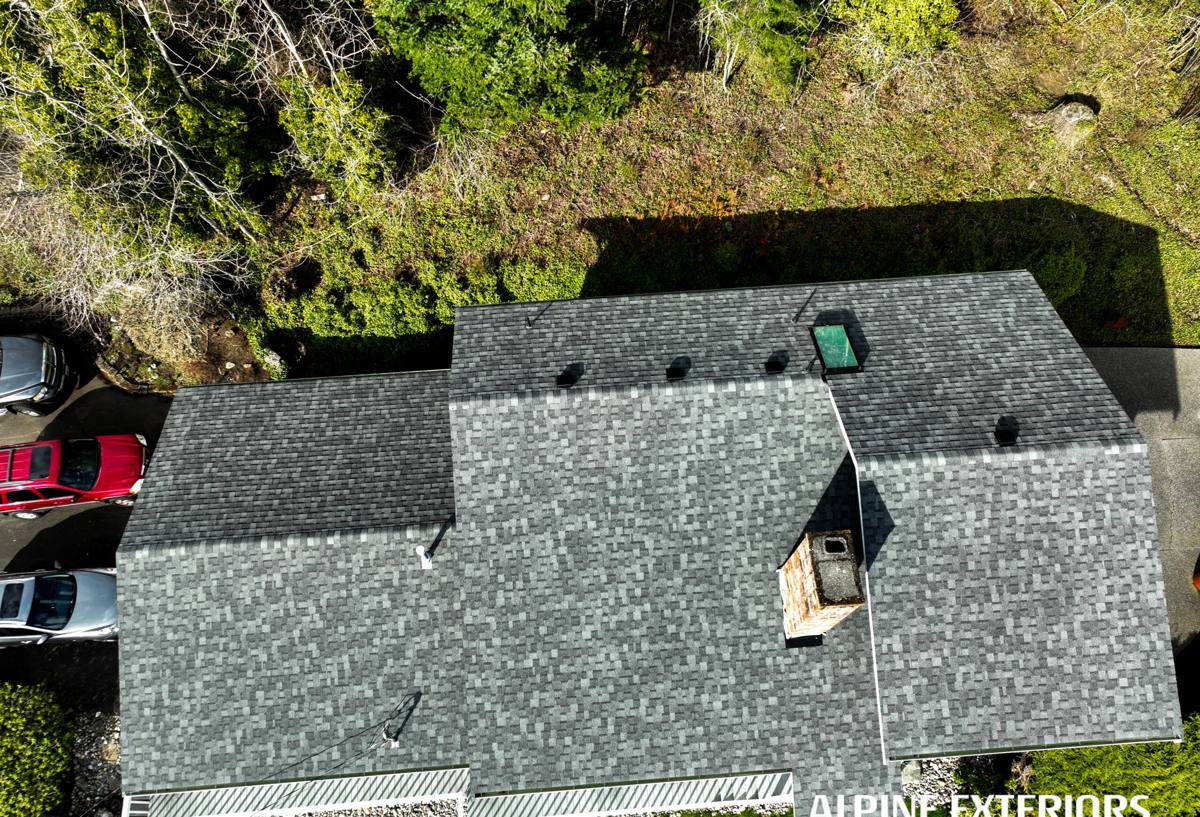
What Fairhaven's Climate Actually Does to a Roof
Salt Air
Even homes that aren't right on the water pick up salt in the air, and salt is hard on anything metal — flashing, fasteners, vent stacks, gutter hangers. Over years, that corrosion works into small pinholes and loose seams that let water in long before a homeowner notices a leak inside.
Driving Rain
This region doesn't just get rain, it gets rain pushed sideways by wind off the water. That means water is regularly hitting roof edges, valleys, and wall-to-roof transitions at an angle, not just falling straight down. Flashing and underlayment details that would be "good enough" in a calmer climate often aren't good enough here.
Moss and Shade
Tree cover and marine humidity in and around Chuckanut keep roofs damp longer after every rain, and moss takes hold in exactly those damp, shaded spots. Moss isn't just cosmetic — it lifts shingle edges, holds moisture against the roof deck, and accelerates the exact kind of rot and granule loss that shortens a roof's life.
What a Correct Roof Replacement Actually Involves
A roof replacement is more than stripping off old shingles and nailing down new ones. Done properly, it's a full rebuild of the roof system:
Tear-Off and Deck Inspection
Every layer of old roofing comes off so the deck underneath can actually be inspected — not guessed at. Soft, delaminated, or water-stained decking gets replaced before anything new goes down. Skipping this step is the single most common shortcut that leads to problems a few years later.
Underlayment and Water Protection
Given how much wind-driven rain this area sees, underlayment choice matters more here than in drier climates. Self-adhered ice-and-water membrane at eaves, valleys, and roof penetrations gives a second line of defense in the spots most likely to take on water.
Flashing
Flashing around chimneys, skylights, walls, and valleys is where most leaks actually start — not in the field of the roof. Correct flashing means new metal, properly lapped and sealed, not old flashing reused to save time.
Ventilation
A roof that can't breathe traps moisture in the attic, which shows up as premature shingle failure, mold, and — in a climate already prone to moss — even more surface moisture sitting on the roof deck. Balanced intake and exhaust ventilation should be part of every replacement, not an afterthought.
Choosing a Roofing Material for This Climate
There's no single "best" roofing material for every home — it depends on the home's exposure, budget, and how much long-term maintenance the owner wants to take on. Here's how the common options compare for a home dealing with salt air, driving rain, and moss:
| Material | Salt Air / Moisture Behavior | Moss Resistance | Typical Lifespan |
|---|---|---|---|
| Architectural asphalt shingle | Good when properly ventilated and flashed | Moderate — benefits from algae-resistant granules | 25–30 years |
| Standing seam metal | Very good, but fasteners and cut edges need corrosion-resistant coatings | Good — sheds moss more easily due to slick surface and pitch | 40–50+ years |
| Synthetic/composite shingle | Good — doesn't absorb moisture like wood | Good | 30–50 years |
| Cedar shake | Sensitive — needs consistent airflow to avoid trapped moisture | Poor without regular treatment and cleaning | 20–30 years with upkeep |
Our standard for this area leans toward algae-resistant asphalt shingles or metal roofing for most homes, simply because they hold up with less ongoing maintenance in a wet, shaded climate. Cedar shake can still look great, but we're upfront with homeowners that it demands more attention here than in a drier region — that's a maintenance trade-off, not a knock on the material itself.
Our Roof Replacement Process
- On-site inspection. We walk the roof (or use appropriate access for steep or unsafe sections) and check the attic from the inside — not just a look from the ground.
- Honest assessment. We tell you whether you actually need a full replacement or whether targeted repair still makes sense.
- Written scope and pricing. You know exactly what materials, underlayment, flashing, and ventilation work are included before anything starts.
- Tear-off and deck repair. Old roofing comes off, the deck is inspected, and any damaged sheathing is replaced.
- Installation. Underlayment, flashing, ventilation components, and the finish roofing material go on to manufacturer specifications.
- Final walkthrough. We review the completed roof with you, including gutters and any areas prone to debris or moss, before calling the job done.
Signs Your Roof Needs Replacement, Not Just Repair
- Shingles that are cracked, curling, or losing granules across large areas of the roof, not just one spot
- Moss buildup that keeps returning within months of cleaning
- Soft or spongy spots when walking the roof, or visible sagging
- Daylight visible through the roof deck from inside the attic
- Repeated leaks in different locations after past repairs
- Roof is at or past its material's expected lifespan and showing wear at flashing points
One or two of these on their own might still be repairable. Several at once usually means the roof system as a whole has reached the end of its useful life.
What Affects the Cost of a Roof Replacement
| Factor | Why It Matters |
|---|---|
| Roof size and pitch | Steeper roofs take longer, need more safety setup, and use more material per square foot of coverage |
| Number of existing layers | Tear-off of multiple old layers adds labor and disposal cost |
| Deck condition | Rotted or soft sheathing found during tear-off needs replacement before new roofing goes on |
| Material choice | Asphalt, metal, and synthetic products vary significantly in material cost and installation time |
| Flashing and penetrations | Chimneys, skylights, and multiple roof valleys all add detail work |
| Ventilation upgrades | Adding or correcting intake/exhaust venting is often worth doing during a replacement rather than after |
Because of these variables, roof replacement costs cover a wide range from one home to the next. We give a firm, written price after seeing the actual roof rather than a phone-quote guess — it's the only honest way to price this kind of work.
Why a Crew That Already Works This Area Matters
A roofing crew that regularly works in and around Chuckanut and Fairhaven already knows what this climate does to a roof over time, without having to relearn it on your house. That means recognizing early moss patterns before they become a full re-cover, knowing which flashing details actually hold up against driving rain off the water, and understanding how tree-shaded lots in this area affect drying time and material choice.
It also means being familiar with how Whatcom County handles permitting for roof replacement work, so the project moves through inspection without delays caused by paperwork surprises. A crew that treats every roof like it's their first job in a coastal, moss-prone climate is a crew that's guessing — and guessing shows up later as leaks.
Keeping a New Roof Healthy After Installation
A properly installed roof still benefits from basic upkeep in this climate. Keeping gutters clear so water doesn't back up under the roof edge, having moss growth addressed before it spreads rather than after, and keeping overhanging branches trimmed back to reduce shade and debris all extend the life of the new roof. We're happy to walk through a simple maintenance schedule with any homeowner after installation — a little attention twice a year goes a long way in this environment.
If your Fairhaven-area roof is showing wear, growing moss faster than it used to, or you're just not sure whether it's a repair or a replacement situation, we're glad to take a look. Use the form below to request a free, no-pressure estimate — there's no obligation, and you'll get a straight answer either way.