 Chuckanut Exterior
 Windows Built for Fairhaven's Waterfront Climate
Fairhaven sits close to Bellingham Bay, and that proximity to open water shapes almost everything about how windows perform there. Salt-laden air moves off the water and settles on frames, hardware, and glazing. Driving rain off Chuckanut and the bluffs pushes moisture sideways into gaps that would stay dry in a more sheltered spot. Then comes the long stretch of gray, damp months where moss and algae get a foothold on anything that stays wet and shaded, including window sills, tracks, and trim. None of this is unique to any one house in the neighborhood — it's the baseline every window in Fairhaven has to handle, year after year.
A window that works fine in a dry inland climate can struggle here within a few seasons if it wasn't chosen, sealed, and installed with these conditions in mind. This page covers what custom window work for a Fairhaven home actually needs to account for, what a correct installation looks like, and how our process is built around the realities of this specific stretch of Whatcom County.
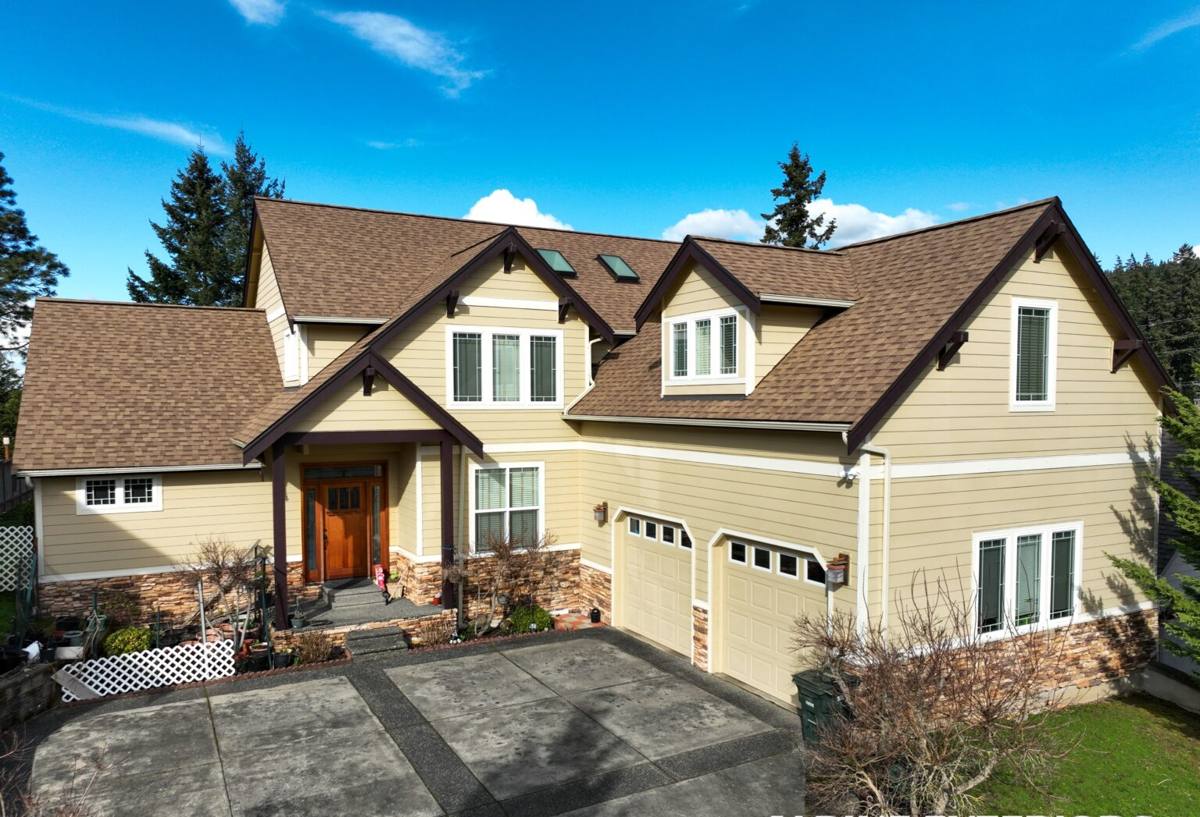
What Salt Air and Driving Rain Actually Do to Windows
It helps to understand the specific failure points before talking about solutions.
Salt Air and Corrosion
Salt in the air is corrosive to exposed metal — hinges, cranks, locks, and screws on lower-quality hardware can start pitting or seizing years before they would inland. Aluminum frames without a marine-grade finish are especially vulnerable. This doesn't mean every window needs to be top-of-the-line, but it does mean hardware and frame finish choices matter more here than they would twenty miles inland.
Wind-Driven Rain
Rain that falls straight down is easy to shed. Rain that's being pushed sideways by wind off the bay is a different problem — it finds its way under poorly lapped flashing, into unsealed nailing fins, and through gaps around trim that would never leak in calmer weather. Most window leaks we see in coastal neighborhoods aren't a bad window — they're a window that was installed without proper flashing and sealant detailing for wind-driven conditions.
Moss, Algae, and Sustained Moisture
Whatcom County's long wet season means anything that holds moisture and doesn't get much direct sun — north-facing sills, shaded window wells, wood trim under overhangs — stays damp for extended stretches. That's exactly where moss and algae take hold, and where wood components are most at risk of slow rot if they weren't properly primed, sealed, or flashed at installation.
Choosing the Right Window Material for a Coastal Whatcom County Home
There's no single "best" window material — the right choice depends on your home's exposure, its style, and how much upkeep you want to take on. Here's how the common options hold up under salt air, driving rain, and a long moss season.
| Material | Coastal Durability | Maintenance | Typical Fit |
|---|---|---|---|
| Vinyl | Good — won't corrode or rot, handles moisture well | Low | Most homes; budget-conscious replacements |
| Fiberglass | Very good — dimensionally stable, resists moisture and temperature swings | Low | Homes wanting durability without wood upkeep |
| Aluminum-clad wood | Good exterior protection, but relies on correct sealing at the clad-to-wood joint | Moderate | Historic or character homes wanting a wood interior look |
| Solid wood | Requires the most protection and upkeep in salt air and wet climates | High | Restoration work where matching original wood sash is a priority |
| Bare aluminum | Prone to pitting and corrosion near the water without marine-grade coatings | Moderate to high | Generally not our first recommendation this close to the bay |
For a lot of Fairhaven homes, vinyl or fiberglass ends up being the practical choice for full replacements — both resist moisture and salt exposure without the ongoing maintenance that wood demands. That said, homes with older wood-sash character, especially closer to the historic waterfront district, sometimes call for aluminum-clad wood or careful wood restoration to keep the look right. We'll walk through the trade-offs honestly rather than pushing one material for every job.
Signs Your Fairhaven Home Needs New or Replacement Windows
Some warning signs show up faster in a coastal, high-moisture climate than they would elsewhere. Worth checking for:
- Soft or spongy wood at the sill, jamb, or lower corners of the frame
- Persistent moss, algae, or black staining on sills and tracks that comes back after cleaning
- Cranks, locks, or hinges that are stiff, corroded, or hard to operate
- Visible daylight or a draft around the frame when it's windy
- Condensation or fogging between panes on double-glazed units, which means the seal has failed
- Paint that's bubbling or peeling repeatedly around the window opening
- A noticeable temperature difference near the window compared to the rest of the room
- Difficulty opening or closing sashes that used to move freely
Any one of these on its own might just need a repair. Several at once, or a pattern across multiple windows on the same exposure (usually the side facing the bay or prevailing weather), usually points to replacement being the more cost-effective long-term move.
What a Correct Custom Window Installation Involves
The window unit itself is only part of the job. In a climate like this, the installation details are what actually determine whether a window stays watertight for the long haul.
Flashing and Water Management
Every opening needs flashing that's lapped correctly — top piece over the sides, sides over the sill pan — so water is directed out and away from the wall assembly, never trapped behind it. Skipping or rushing this step is the single most common cause of hidden rot behind window trim.
Sealants Rated for the Conditions
Not all caulks and sealants are equal. Wind-driven rain calls for sealants with real flexibility and adhesion over time, applied at the right points around the nailing fin and trim — not just a bead run along the visible exterior gap.
Insulation and Air Sealing
Gaps around the frame should be filled with a low-expansion foam or backer rod and sealant designed for window installs, not packed with fiberglass batting that does little to stop air and moisture movement.
Glass Package
For this climate, low-E coatings and argon or krypton gas fills between panes make a real difference in comfort and energy performance through the long wet, cool season. We'll size the glass package to your home's exposure rather than defaulting to the same spec on every job.
Interior and Exterior Finish Work
Trim, caulking, and paint or stain on the finished opening should be done as carefully as the window itself — a beautiful window with sloppy trim work is still an entry point for moisture down the road.
How Our Process Works
- Walkthrough and assessment — We look at each opening, note the exposure (which windows take the most wind and rain), and check for existing moisture or rot damage before recommending anything.
- Material and glass selection — Based on your home's style, budget, and exposure, we go over which frame material and glass package make sense — and why, in plain terms.
- Accurate measurement — Custom windows are built to the actual opening, not a standard size, which is especially important on older Fairhaven homes where openings aren't always perfectly square.
- Removal and prep — Old windows come out carefully, and we inspect the framing underneath for any hidden rot or damage before anything new goes in.
- Installation with proper flashing and sealing — Water management details are done to the standard this climate requires, not just to code minimum.
- Finish work — Interior and exterior trim, caulking, and paint or stain are completed to match your home.
- Final walkthrough — We check operation, seals, and finish work with you before calling the job done.
Why Hiring a Crew That Already Works in Fairhaven Matters
A contractor who mostly works inland doesn't always think about salt exposure, wind-driven rain angles, or moss-prone shaded areas as default considerations — because they don't have to, most of the time. A crew that regularly works this part of Whatcom County treats those factors as standard practice: hardware and sealant choices, flashing detail, and glass specs all get evaluated with this exposure in mind from the start, not as an afterthought when something leaks two winters later.
There's also a practical side to it. Local crews know how weather windows work here — when it's realistic to get an install done between rain systems, and how to sequence a job so an opening isn't left exposed longer than necessary. That's a small thing that matters a lot when the forecast is unpredictable for weeks at a stretch.
Maintaining New Windows Through a Long Moss Season
Even a well-installed window benefits from a little seasonal attention in this climate:
- Clear debris and standing moss from sills and tracks a couple of times a year, especially on shaded, north-facing windows
- Check weep holes on vinyl and fiberglass frames to make sure they're clear and draining properly
- Inspect exterior caulking annually for cracking or gaps, and touch it up before the wet season sets in
- Operate cranks, locks, and hinges periodically so hardware doesn't seize up from disuse
- Watch for early condensation between panes, which signals a seal failure worth addressing before it worsens
None of this is heavy maintenance — it's the kind of upkeep that takes a window from "installed correctly" to "still performing well ten and twenty years from now" in a climate that doesn't give windows much of a break.
Get a Straightforward Estimate
If you're dealing with drafty, foggy, or hard-to-operate windows in Fairhaven, or you're planning ahead for a home that's showing early wear from the salt air and rain, we're happy to take a look. The estimate is free, there's no pressure, and we'll give you an honest read on what your windows actually need — whether that's targeted repairs or a full custom replacement. Use the form below to get started.