 Chuckanut Exterior
 Why Fairhaven's Exposure Is Tougher on Siding Than It Looks
Fairhaven sits close enough to the water that salt-laden air is a daily fact of life, not an occasional weather event. Add Whatcom County's long wet season, wind-driven rain that hits walls sideways instead of falling straight down, and a moss season that can stretch for months on shaded and north-facing walls, and you have a combination that punishes ordinary siding faster than most homeowners expect. None of these stressors are dramatic on their own. It's the year-round combination — moisture, salt, and shade working on the same wall for months at a time — that separates siding that holds up for decades from siding that starts failing in year eight or ten.
This isn't a page about siding in general. It's about what James Hardie fiber cement siding needs to do, specifically, on a Fairhaven home, and what a correct installation looks like when the crew doing the work already understands this stretch of Chuckanut and Whatcom County.
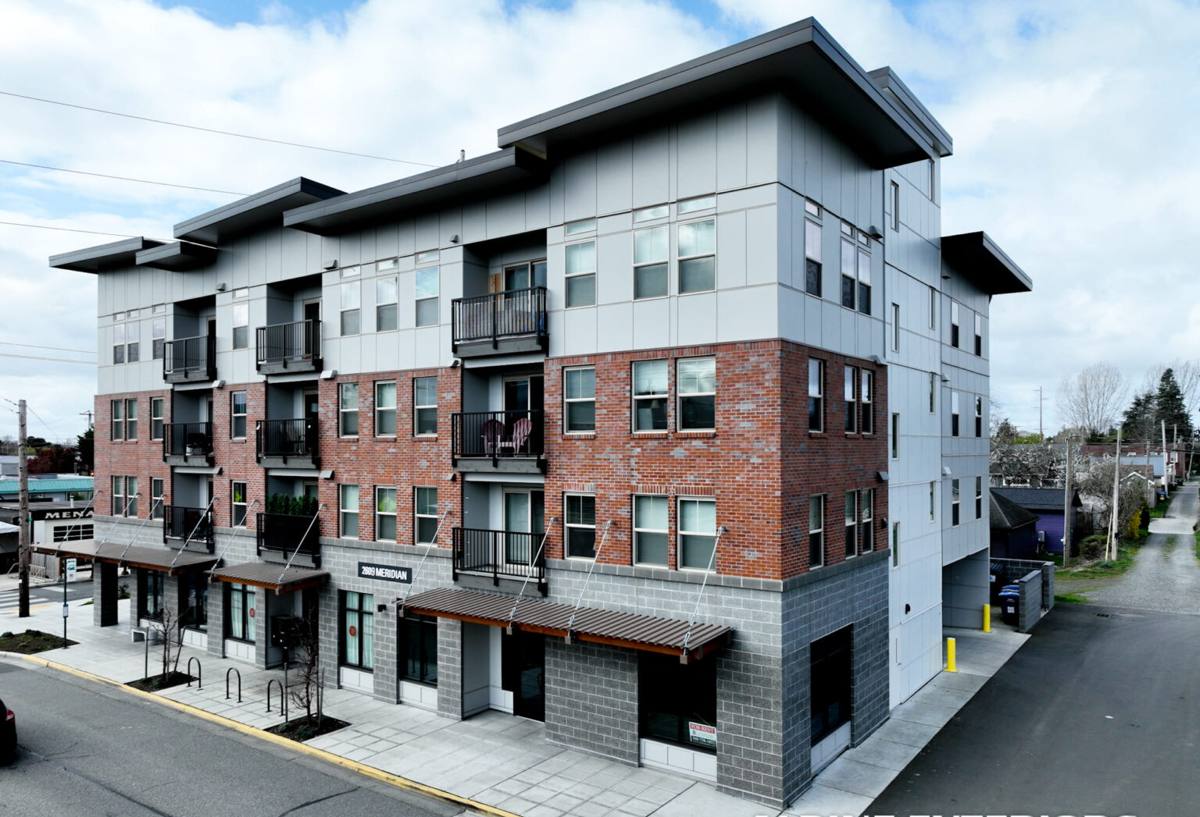
What Salt Air, Rain, and Moss Actually Do to a Wall
Salt air
Salt-laden moisture is corrosive to metal fasteners, flashing, and trim, and it accelerates the breakdown of paint films and lower-grade siding surfaces. Over years, salt exposure shows up as premature fading, chalking, and coating failure on materials that weren't engineered with coastal exposure in mind.
Driving rain
Wind-driven rain doesn't just wet the face of a wall — it gets pushed sideways and upward into laps, seams, and penetrations that a calm-weather rain would never reach. Siding systems that rely on tight seams and face-sealing rather than a real drainage plane behind the cladding are the ones that eventually let water in.
Moss and prolonged dampness
Shaded walls, tree cover, and the long gray stretch of a Pacific Northwest fall and winter keep some exterior surfaces damp for weeks at a time. Materials that absorb moisture rather than shed it stay wet longer, which is exactly the condition moss, mildew, and rot organisms need to take hold.
Why We Only Install James Hardie Fiber Cement
We standardized on James Hardie siding because it's engineered to resist exactly the conditions Fairhaven deals with. It's non-combustible fiber cement, not a wood-fiber or vinyl product, so it doesn't absorb moisture the way wood-based sidings do, and it doesn't soften, warp, or become brittle the way some plastic-based sidings can under years of UV and temperature swings.
The HZ5 product line
Hardie engineers its HZ product lines for specific climate zones, and the HZ5 formulation is built for cold, wet, freeze-prone regions like Whatcom County. That climate engineering matters more on a coastal, moisture-heavy site like Fairhaven than it does in a dry inland climate, because the product's resistance to moisture-related damage is being tested by the weather every single week of the year, not just during the occasional storm.
ColorPlus factory finish
Rather than a field-applied paint job, Hardie's ColorPlus finish is baked on in a controlled factory process, which gives it more consistent coverage and better resistance to fading and chipping than most site-painted finishes. In a salt-air environment, where standard paint films tend to chalk and fade faster, a factory-cured finish is doing real work, not just looking good on day one.
A warranty that's actually structured to mean something
James Hardie backs its siding with a substantial, transferable limited warranty. That matters on the coast — it's a signal from the manufacturer that the product is expected to perform over the long haul in exactly this kind of exposure, not just in a mild, dry climate.
What a Correct Installation Involves in a Coastal Whatcom County Setting
Fiber cement siding is only as good as the water management system behind it. Most siding failures we get called out to inspect aren't a problem with the panels themselves — they're a problem with what's happening behind them.
The drainage plane and weather-resistive barrier
Every wall needs a continuous weather-resistive barrier behind the siding, with a drainage gap that lets any moisture that does get past the cladding drain back out rather than sit against the sheathing. On a driving-rain site like Fairhaven, this layer is doing more work than the siding face itself.
Flashing at every penetration
Windows, doors, hose bibs, light fixtures, deck ledgers — every point where something interrupts the siding is a potential entry point for wind-driven rain. Correct flashing detail at each of these locations is non-negotiable on a coastal job, and it's the single most common thing we find done wrong on older installations.
Fastening and clearances to manufacturer spec
James Hardie publishes specific fastener types, spacing, and minimum clearances from grade, roof lines, and other surfaces. Skipping or shortcutting these specs is exactly what voids warranty coverage and lets moisture find its way behind the panels over time — and it's also what separates a rushed installer from a crew that installs Hardie correctly and consistently.
Caulking and joint treatment
Hardie's installation guidance is specific about which joints get caulked, which get flashed, and which are designed to be left to drain. Over-caulking a joint that's supposed to drain can trap moisture behind the panel — a mistake that looks fine for a year or two and then causes real damage.
How Siding Materials Compare on a Fairhaven-Type Site
| Material | Response to salt air & driving rain | Response to prolonged shade/moss | Long-term maintenance |
|---|---|---|---|
| James Hardie fiber cement | Non-combustible, engineered HZ5 formulation, factory ColorPlus finish resists fading/chalking | Doesn't absorb moisture like wood-based products; holds up under sustained damp shade | Occasional wash; repaint only if ever needed decades out |
| Vinyl | Can fade, chalk, and become brittle with UV and temperature cycling over years | Doesn't rot, but seams and laps can trap moisture behind the panel | Low, but panels can warp or crack and are hard to color-match when replacing sections |
| Wood or wood-fiber composite (e.g., LP SmartSide) | Wood-based core is vulnerable to moisture intrusion at cut edges and seams | Prolonged dampness and shade are the conditions that cause the most concern with wood-based sidings | Regular repainting/resealing; edge sealing is critical and easy to miss |
| Cedar | Naturally moisture-resistant but still an organic material that weathers, checks, and needs finish maintenance | Extended damp shade accelerates graying, cupping, and moss/mildew growth | Ongoing refinishing or accepting a weathered look; highest upkeep of the group |
This is why we don't install vinyl, LP SmartSide, cedar, primed spruce, or other fiber cement brands. Every one of those products can be installed correctly and can perform reasonably well in the right setting — but on a site with this much combined salt, rain, and shade exposure, we'd rather put our name behind the one product line engineered specifically for this climate.
Our Process for a Fairhaven Job
- On-site assessment. We walk the exterior, check current siding condition, sheathing exposure, drainage patterns, and shaded or moss-prone areas specific to the lot.
- Tear-off and sheathing inspection. Once old siding is off, we inspect sheathing for hidden moisture damage before anything new goes up — this is the step that catches problems a wall inspection alone can't.
- Weather-resistive barrier and drainage plane installation. This layer gets installed to manufacturer spec, continuous and properly lapped, before a single piece of Hardie goes on.
- Flashing at every penetration. Windows, doors, and other openings are flashed and integrated with the barrier before siding installation begins.
- Hardie panel or lap installation. Fastening, spacing, and clearances follow James Hardie's published specifications for the HZ5 climate zone.
- Joint and trim detailing. Caulked, flashed, or drained per Hardie's guidance — not a one-size-fits-all approach to every seam.
- Final walkthrough. We review the finished work with the homeowner and go over what to expect for long-term care.
What Fairhaven Homeowners Should Watch For Between Services
- Green or black staining on shaded walls, especially north-facing sections — early moss growth, easiest to address before it spreads
- Chalky residue or noticeable fading on south- and west-facing walls exposed to sun and salt air
- Soft spots, staining, or bubbling near window and door trim — a sign water may be getting behind the siding at a penetration
- Gaps opening up in caulked joints around trim, corners, or penetrations after a hard winter
- Debris or plant growth building up where siding meets grade, decks, or roof lines — these areas need airflow and drainage, not buildup
- Any panel that feels different in texture or sounds hollow compared to the surrounding wall
None of these need to be emergencies if they're caught early. Most are a quick fix when addressed promptly, and a much bigger repair if left through another wet season.
Why a Crew That Already Works This Area Matters
Coastal Whatcom County job sites aren't identical to inland ones. A crew that regularly works Fairhaven and the surrounding Chuckanut area already has a feel for how far salt exposure reaches inland from the water, which wall orientations on this kind of site tend to hold moss longest, and how local wind patterns drive rain into walls that a textbook installation guide won't specifically call out. That familiarity shows up in small decisions on the job — where to pay extra attention to flashing, which walls need a closer look at the drainage plane — that add up to a siding job that actually performs the way it's supposed to for the next several decades.
It also means a crew that isn't learning the region's quirks on your project. Local experience is part of what correct installation looks like here, alongside the manufacturer's specifications themselves.
What Affects the Cost of a Fairhaven Hardie Siding Job
| Factor | Why it matters here |
|---|---|
| Existing siding removal and sheathing condition | Coastal moisture exposure means tear-off sometimes reveals sheathing repairs that weren't visible beforehand |
| Home size and wall complexity | More corners, penetrations, and trim details mean more flashing and detail work, which is where correct water management lives |
| Product selection (lap vs. panel, color, trim style) | ColorPlus factory finishes and trim packages vary in material cost |
| Site access and shade/moisture conditions | Heavily shaded or hard-to-access walls can affect labor time and drying conditions during installation |
We give honest, project-specific numbers after seeing the actual house — broad guesses without an on-site look aren't useful to you or to us.
Get a Straightforward Look at Your Home
If you're weighing a siding replacement in Fairhaven or elsewhere in the Chuckanut area, we're happy to walk the exterior with you, point out what we see, and give you a clear, no-pressure estimate for James Hardie siding built for this climate. Use the form below to get started.