 Chuckanut Exterior
 Window Replacement for Sehome Homes
Sehome sits close enough to the water and the tree line that its houses take a steady beating most homeowners never fully see until a window starts failing. Salt-laden air off the bay corrodes hardware and finishes faster than it would inland. Driving rain, pushed sideways by wind off the water, finds every gap in a tired frame. And Whatcom County's long, wet moss season keeps siding, trim, and window sills damp for weeks at a stretch. Windows that were fine ten or fifteen years ago are often the first thing in a house to show that wear.
This page is about one job, done right, for one neighborhood: replacing windows in Sehome homes in a way that actually holds up to the conditions here, not a generic install that happens to be located in Chuckanut.
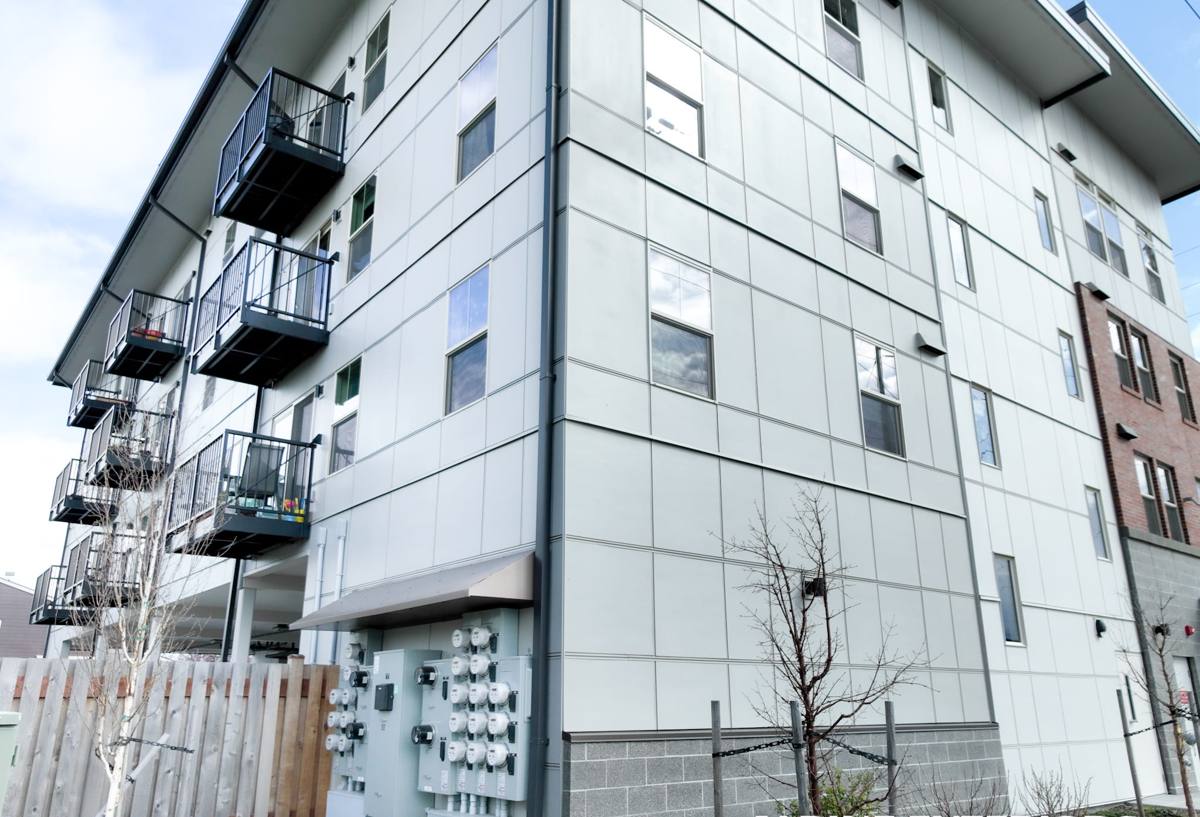
What Sehome's Climate Actually Does to Windows
Salt Air and Metal Fatigue
Older aluminum frames and steel hardware corrode from the inside out when they're exposed to salt-carrying air year after year. You'll usually see it first as pitting on hinges and locks, or a frame that feels gritty and stiff instead of smooth. By the time it's visible, the corrosion has often been working for years.
Driving Rain and Wind-Driven Moisture
Chuckanut gets plenty of straight-down rain, but it's the wind-driven rain off the water that does the real damage to windows. It gets pushed up and under sills, into corner joints, and behind trim that wasn't flashed correctly the first time. A window can look fine from inside for years while water is quietly rotting the framing around it.
Moss Season and Sustained Dampness
The long stretch of gray, wet months here means wood trim and sills rarely get a real chance to dry out. Moss and algae hold moisture against surfaces even after the rain stops, which accelerates rot in any wood that's already compromised and keeps caulk and sealant working overtime.
Signs a Sehome Home Needs Window Replacement, Not Just Repair
- Visible daylight, drafts, or whistling around the frame when wind picks up off the water
- Soft or spongy wood at the sill or bottom corners — a strong sign of rot behind the trim
- Fogging or a permanent haze between panes of double-glazed glass, meaning the seal has failed
- Windows that are hard to open, close, or lock, especially after damp weather
- Condensation building up on the inside of the glass or frame during cold snaps
- Visible corrosion or pitting on hinges, cranks, or locking hardware
- Noticeably higher heating bills without any other explanation
- Peeling paint or discoloration on interior trim near the window, which usually points to moisture getting in from outside
Any one of these on its own might be fixable. Several at once, especially on a window that's original to an older Sehome home, usually means replacement is the more honest answer than another round of caulk and patchwork.
What a Correct Window Replacement Job Actually Involves
A lot of window problems in this area don't come from bad windows — they come from a fast, cheap install that skipped steps you can't see once the trim goes back on. Doing it right means treating the opening, not just the window, as the job.
Removing the Old Window Without Making Things Worse
The old unit comes out carefully so we can actually look at what's underneath — the rough opening, the sheathing, and any flashing that's already there. This is where hidden rot or past water damage usually shows up, and it needs to be dealt with before a new window goes in, not covered over.
Flashing and Water Management
This is the step that matters most in a place like Chuckanut. Proper flashing — sill pan, side flashing, and head flashing integrated with the building's water-resistive barrier — is what actually keeps wind-driven rain from getting behind the window over the next twenty years. Skipping or shortcutting this is the single most common reason "new" windows still leak.
Setting, Shimming, and Sealing
The new window has to sit level, square, and plumb in the opening, shimmed so it isn't relying on the frame alone to hold its shape. Insulation goes around the perimeter to cut drafts without overstuffing the gap, which can bow the frame. Exterior sealant is applied at the right points — not as a substitute for flashing, but as a second line of defense.
Trim, Finish, and Final Check
Interior and exterior trim gets reset or replaced, hardware is tested, and the window is checked for smooth operation and a tight seal before we call it done. We also take a look at surrounding siding and trim, since a window replacement is a natural point to catch other moisture issues early.
Choosing the Right Window for a Sehome Property
Frame Materials
Vinyl and fiberglass frames handle salt air and constant moisture better than bare aluminum or unprotected wood, which is why we lean on them for most Sehome replacements. Wood-clad options can work well when the look matters and the cladding is genuinely weather-resistant, but we're upfront that any wood component near this much moisture needs more long-term maintenance than a solid vinyl or fiberglass frame.
Glass and Glazing
Double-pane, low-E glass is the practical baseline here — it cuts heat loss in the cold, wet months and helps with west- or water-facing rooms that get strong afternoon light. Argon-filled units add a bit more insulating value for a modest cost difference, which is often worth it given how many months of the year Chuckanut homes are running heat.
Hardware and Corrosion Resistance
Given the salt air, hardware quality matters more here than in a lot of inland markets. We look for corrosion-resistant locks, hinges, and cranks rather than the cheapest stock option, because that hardware is exactly what fails first in this environment.
Comparing Common Window Options for This Area
| Frame Type | Salt Air / Moisture Resistance | Maintenance | Typical Fit for Sehome |
|---|---|---|---|
| Vinyl | Strong — won't corrode or rot | Low | Solid all-around choice for most homes |
| Fiberglass | Strong, very stable in temperature swings | Low | Good where extra strength or larger openings are needed |
| Aluminum (uncoated) | Weak in salt air over time | Moderate to high | Generally not our first recommendation here |
| Wood / Wood-clad | Depends heavily on cladding and upkeep | High | Workable for specific look, needs real maintenance commitment |
What Drives Cost on a Sehome Window Job
We won't quote a number without seeing the house, but a few factors consistently move the price up or down, and it helps to know them before you start getting estimates.
- Extent of hidden damage — rotted framing found once the old window is out adds real time and material, but it's better caught now than in five years
- Window size and type — large picture windows, bays, or custom shapes cost more than standard double-hungs or sliders
- Number of windows done at once — bundling several windows in one visit is usually more efficient than one-off repairs spread over time
- Frame material chosen — vinyl is typically the most budget-friendly, fiberglass and wood-clad options cost more
- Trim and siding condition — if surrounding trim or siding needs repair or replacement to properly integrate flashing, that's additional work worth doing at the same time
- Access and second-story work — upper-floor windows or difficult access can add labor time
Why a Crew That Already Works Sehome Makes a Difference
A window installer who mostly works drier, inland climates can do competent work and still miss what matters here. Flashing details that are optional in a low-moisture region aren't optional in Whatcom County. A crew that regularly works Sehome and the surrounding Chuckanut area already knows which corner treatments hold up to wind-driven rain, which frame materials are worth the extra cost given the salt exposure, and what kind of hidden rot to expect when they pull an older window out. That's not something you can fully make up for with a good product alone — the install has to match the conditions the window will actually face.
Our Process for a Sehome Window Replacement
- On-site assessment — we look at the existing windows, framing, and any visible moisture issues, and talk through what you're trying to solve, whether that's drafts, leaks, appearance, or energy costs
- Honest recommendation — we walk you through frame material, glass, and hardware options suited to the exposure your specific windows face, without pushing upgrades you don't need
- Clear, written estimate — pricing broken down so you know what you're paying for, not a single lump number
- Careful removal and inspection — old windows come out, and we show you anything unexpected we find before proceeding
- Proper installation — flashing, shimming, insulation, and sealing done to hold up to this climate, not just to pass a quick glance
- Final walkthrough — every window is tested for operation and sealed properly before we consider the job finished
If your Sehome home has windows that are drafty, hard to operate, showing rot at the sill, or just old enough that you're wondering whether it's time — we're happy to take a look. Reach out for a free, no-pressure estimate using the form below, and we'll give you a straight assessment of what your windows actually need.