 Chuckanut Exterior
 Windows Built for Burlington's Weather, Not Just a Catalog
Burlington homeowners deal with a specific mix of weather that most window salespeople from out of the area never have to think about. You're close enough to the water to catch salt-laden air, you get long stretches of driving rain off the water, and the shoulder seasons bring weeks of damp, low-light conditions that keep moss and mildew active on anything that stays wet too long. Windows here aren't just about keeping heat in during winter and heat out during summer — they're a barrier that has to hold up against moisture intrusion, wind-driven rain, and the slow corrosion that salt air causes on hardware and frames over time.
We work on homes throughout the Burlington area regularly, which means we're not guessing at what fails first. We see which frame materials hold their finish, which sill details actually shed water instead of trapping it, and which installation shortcuts turn into a callback two winters later. This page is about what a correct energy-efficient window job looks like for this specific area — not a generic rundown of glass options.
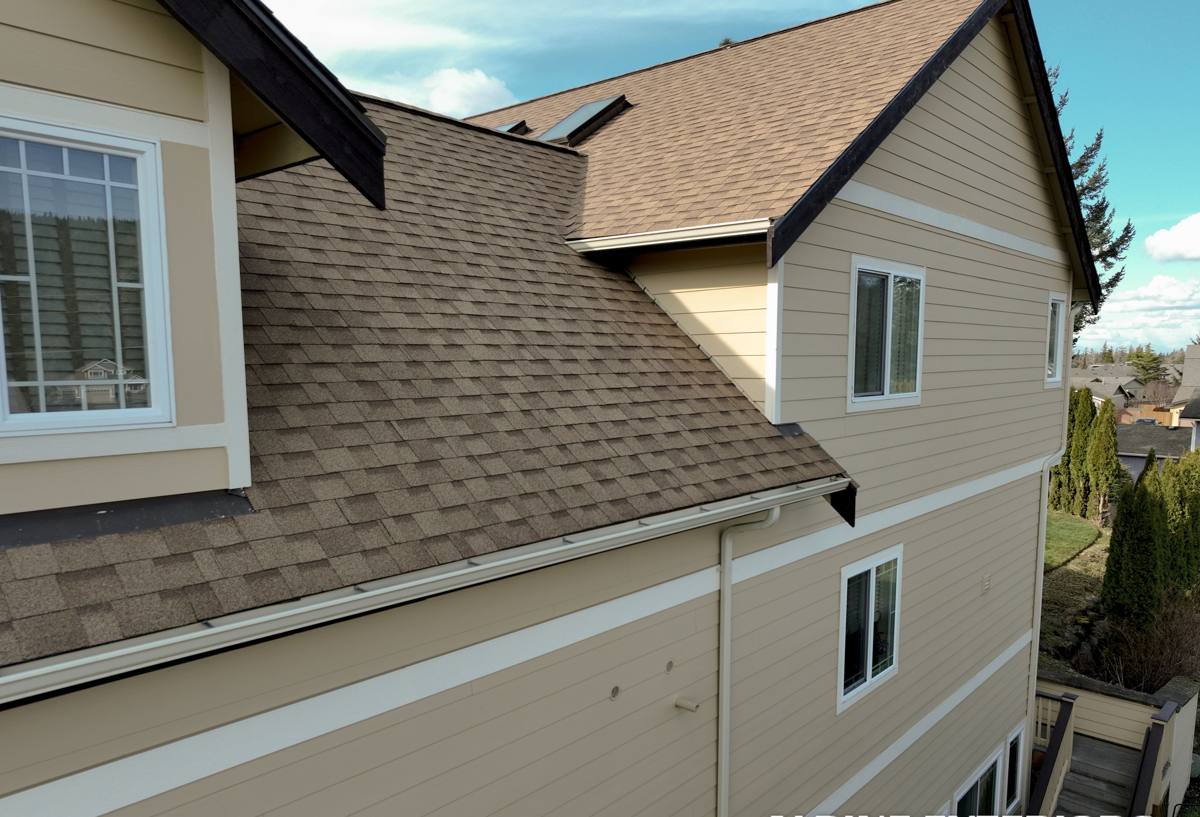
What Burlington's Climate Actually Does to Windows
Salt Air and Hardware Corrosion
Even a few miles inland, salt-bearing air moves through on prevailing winds and settles on window hardware, screen frames, and unprotected fasteners. Over years, this accelerates corrosion on anything that isn't rated for coastal exposure — cheaper hinges, cranks, and locks can start sticking or pitting well before the glass or frame shows any wear. When we spec windows for this area, hardware finish and corrosion resistance matter as much as the glass package.
Driving Rain and Wind-Driven Moisture
Storms coming off the water don't just drop rain straight down — wind pushes it sideways into wall assemblies, and window openings are one of the most common places water finds its way in. A window can have excellent glass and still leak if the flashing, sill pan, and sealant details around it aren't done correctly. This is a bigger factor in window failure here than most homeowners realize; the window unit itself is rarely the problem, the installation around it usually is.
Long Moss Season
Whatcom County's damp, mild winters keep moss and algae active on north-facing and shaded surfaces for months at a time. Window sills, trim, and the bottom edges of frames are prone to holding moisture in these conditions, especially if drainage details are wrong or if organic debris collects in the tracks. Materials and details that shed water quickly and dry out fast hold up dramatically better here than in drier climates.
What "Energy-Efficient" Actually Means for This Area
Energy efficiency in a marine climate like Burlington's isn't only about winter heat loss — it's also about controlling condensation and humidity indoors, since our winters are long, mild, and wet rather than brutally cold. The right window package balances several things at once:
- Low-E glass coatings tuned for our climate to reduce heat loss without over-darkening rooms during our already-limited winter daylight
- Multi-pane construction (typically dual-pane, with triple-pane as an option for north-facing or particularly exposed walls) to cut down on cold-glass condensation
- Warm-edge spacer systems that reduce the cold bridge at the glass edge, which is where most condensation and frost forms on older windows
- Frame materials that resist swelling, rot, and finish breakdown under repeated wet-dry cycles
- Proper weatherstripping and multi-point locking hardware to maintain a tight seal as the house settles and the frame expands and contracts seasonally
A window with a great energy rating on paper still underperforms if it's not sealed and flashed correctly for wind-driven rain. We treat the glass package and the installation as one job, not two separate concerns.
Frame Material Trade-Offs for a Marine Climate
There's no single "best" frame material — each has real trade-offs, and the right choice depends on the home, the budget, and how much upkeep the owner wants to take on.
| Frame Material | Strengths in This Climate | Trade-Offs |
|---|---|---|
| Vinyl | Low maintenance, resists corrosion and rot, good value, doesn't need repainting | Limited color/finish flexibility; lower-grade vinyl can look flat next to older wood trim |
| Fiberglass | Very stable in wet/dry and hot/cold cycles, holds paint well, strong long-term durability | Higher upfront cost than vinyl |
| Wood (clad or unclad) | Traditional look, works well for older or historic-style homes | Needs ongoing maintenance to prevent moisture damage; unclad wood is a poor fit for high-exposure walls here |
| Aluminum | Strong and slim sightlines | Poor insulator unless thermally broken; prone to condensation without upgraded design; can corrode faster in salt air without proper coating |
For most Burlington homes we work on, vinyl or fiberglass frames with a quality Low-E glass package hit the best balance of energy performance, corrosion resistance, and long-term maintenance. We'll walk through what fits your specific home and budget rather than pushing one material across the board.
Where Installation Quality Makes or Breaks the Job
Most window failures we get called out to inspect aren't glass failures — they're installation failures. This is especially true in areas that see regular wind-driven rain. A correct install includes:
Sill Pan and Flashing
A properly sloped sill pan directs any water that gets past the exterior seal back outside instead of into the wall cavity. This is one of the most commonly skipped details on rushed installs, and it's the single biggest cause of hidden rot around window openings.
Air and Water Sealing
The gap between the window frame and the rough opening needs to be sealed with the right materials in the right order — house wrap integration, flashing tape, and backer rod/sealant at the interior and exterior, not just a bead of caulk around the trim. Foam alone doesn't manage bulk water; it manages air leakage. Both need to be addressed separately.
Fastening and Shimming
Windows need to be shimmed level, plumb, and square before fastening, or the sash won't operate correctly and won't seal evenly — leading to drafts and premature hardware wear right where you'd least expect it.
Trim and Drainage
Exterior trim and sill details need to shed water away from the frame, not hold it against it. In a climate with a long moss season, any spot where water sits and doesn't dry out becomes a spot where organic growth and rot get a foothold.
Signs Your Current Windows Are Working Against You
- Condensation or frost forming between panes (a sign the seal has failed and the insulating gas has escaped)
- Persistent fogging or moisture buildup on the interior glass, even with normal ventilation
- Drafts you can feel near the frame on a windy day
- Sashes that are hard to open, close, or lock — often a sign of frame warping or hardware corrosion
- Soft or discolored trim/sill wood around the window opening
- Visible moss, algae, or persistent black staining at the sill or lower frame
- Noticeably higher heating bills compared to similar-sized homes with newer windows
Our Process for Burlington Window Replacement Projects
1. On-Site Assessment
We look at your current windows, the condition of the rough openings, and any signs of past water intrusion — not just the glass, but the wall assembly around it. This tells us whether we're dealing with a straightforward replacement or if there's underlying moisture damage that needs to be addressed first.
2. Honest Product Recommendations
We'll walk you through frame material, glass package, and hardware options based on your home's exposure, orientation, and budget — including where a mid-range option makes more sense than the most expensive one, and where it's worth spending more.
3. Correct Installation
Every install includes proper sill pan flashing, air and water sealing, and level/plumb/square shimming — the details that determine whether the window performs for 20+ years or starts failing in five.
4. Final Walkthrough
We check operation, seal, and finish on every window before we consider the job done, and we'll answer any questions about care and upkeep specific to our climate.
Maintenance That Actually Matters Here
New windows still need a little seasonal attention in a climate like ours:
- Clear debris from tracks and weep holes so water can drain instead of pooling
- Rinse salt residue off exterior frames and hardware periodically if you're in a higher-exposure location
- Check and gently clean sills where moss or algae tends to establish, especially on shaded sides of the house
- Inspect exterior caulking annually and have any cracked or separated sealant addressed before the wet season
None of this is heavy maintenance — it's the kind of upkeep that takes an afternoon a year and prevents the slow moisture damage that shortens a window's life in this climate.
Why Local Experience Matters for This Job
A window that performs well in a drier inland climate can underperform here if it's not specified and installed with our conditions in mind. Working regularly in the Burlington area means we already know which details need extra attention on wind-exposed walls, which frame finishes hold up against salt air, and how to sequence flashing so driving rain doesn't find its way in. That local pattern recognition is hard to replace with a general install crew that isn't in this climate every week.
If your windows are drafty, fogging, hard to operate, or just past their useful life, we're happy to take a look and give you a straightforward assessment — no pressure, no upsell. Reach out for a free estimate using the form below, and we'll walk your home with you and talk through what actually makes sense for your situation.