 Chuckanut Exterior
 Board & Batten Siding in Larrabee: Built for This Exact Stretch of Coastline
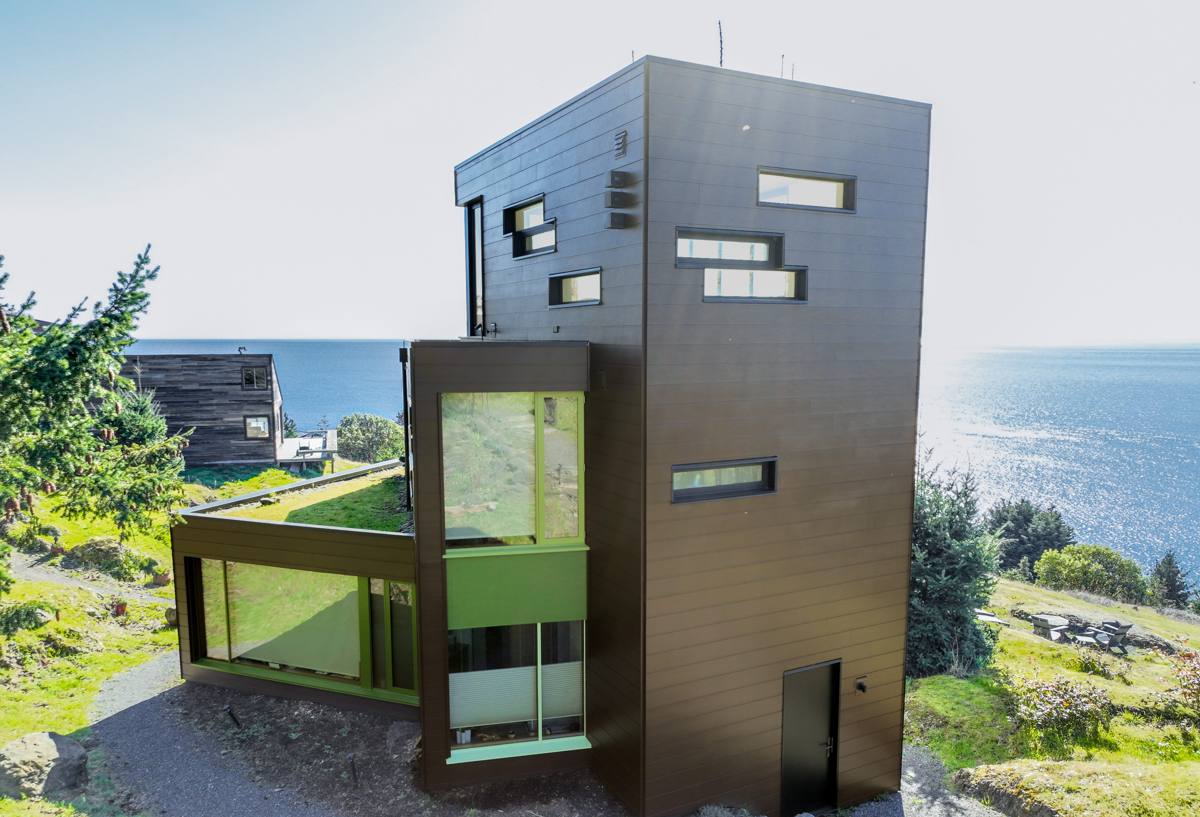
Larrabee sits close enough to the water that its homes take a different kind of weather beating than houses even a few miles inland in Chuckanut. Salt-laden air off Bellingham Bay, driving rain that comes in sideways during winter storms, and a moss season that seems to stretch longer every year all combine to put real stress on exterior cladding. Board and batten siding, with its bold vertical lines and deep shadow reveals, is one of the most requested looks for homes in this part of Whatcom County — but the look only holds up if the material and the installation are matched to the actual climate here, not to a catalog photo.
This page is specifically about board and batten siding for Larrabee homes: what the local conditions demand from the product, what a correct installation looks like, how we approach the job, and why hiring a crew that already works this neighborhood matters more here than in a lot of other places.
Why Larrabee's Climate Is Harder on Siding Than People Expect
Salt Air
Homes near the water deal with airborne salt that settles on exterior surfaces year-round. Over time, salt exposure accelerates the breakdown of paint films, corrodes fasteners that aren't rated for it, and speeds up general weathering on anything not built to resist it. Board and batten siding has more exposed vertical joints and batten edges than lap siding, which means more surface area where salt residue can collect if the wrong materials or finish are used.
Driving Rain
Whatcom County storms don't always fall straight down — wind-driven rain pushes moisture sideways and up under laps, seams, and trim. Board and batten's vertical battens create channels that, if not flashed and sealed correctly, can funnel water toward fastener penetrations and seams instead of shedding it. This is a detail issue, not a product issue, and it's where a lot of siding jobs quietly fail years later.
Moss and Sustained Moisture
The long moss season in this part of Washington means siding stays damp longer than it does in drier climates. Any siding material that absorbs moisture, swells, or supports mold growth is going to show it here first — usually at the bottom of boards, around window trim, and at ground-level battens where splash-back keeps the material wet longer.
What a Correct Board & Batten Job Actually Involves
Board and batten looks simple from the curb — vertical boards, narrower battens covering the seams — but the assembly underneath is what determines whether it lasts 10 years or 40. For a Larrabee home, we treat the following as non-negotiable:
- A weather-resistive barrier installed and lapped correctly behind the siding, not just present
- Rainscreen furring or a drainage gap where conditions call for it, so bulk water and trapped moisture can drain and the siding can dry from both sides
- Flashing at every window, door, and roof-to-wall transition, integrated with the water-resistive barrier in the correct shingle-lap order
- Corrosion-resistant fasteners rated for coastal exposure, set to manufacturer specification depth and spacing
- Factory-finished boards and battens so the painted surface — the part actually fighting salt and UV — isn't relying on a field-applied coat for its long-term protection
- Correct clearance at the base of the wall so battens aren't sitting in splash-back or soil contact
Skip any one of these and the siding may look fine for a few seasons before the problems specific to this climate start showing up — bubbling paint, soft spots at the base of boards, or staining that keeps coming back no matter how often it's cleaned.
Why We Install Only James Hardie for This Application
We install James Hardie fiber cement exclusively — we don't install vinyl, LP SmartSide, cedar, primed spruce, Cemplank, or Allura. For board and batten specifically, that decision comes down to how each material actually behaves in a salt-air, high-rain, high-moss environment over the long haul, not just how it looks on day one.
Where Other Materials Fall Short Here
Wood-based battens and boards — cedar or primed spruce — need consistent maintenance to keep moisture out of end grain and seams, and in a climate that stays damp as long as Larrabee's does, that maintenance window shrinks fast. Vinyl board and batten can work loose or show waviness under temperature swings and doesn't offer the same rigidity at long spans. Engineered wood products carry warranty terms that are heavily contingent on maintenance and moisture exposure being kept within limits that coastal conditions make harder to guarantee.
Where Hardie Delivers
James Hardie fiber cement is non-combustible, dimensionally stable, and doesn't rely on organic material that can rot or support mold growth. The ColorPlus factory finish is baked on under controlled conditions and holds color and adhesion better than field-applied paint over the long term, which matters when the surface is dealing with salt exposure and UV year-round. Hardie's HZ5 product line in particular is engineered for regions with the kind of moisture cycling and freeze-thaw pattern seen in the Pacific Northwest. Paired with a transferable warranty, it's the product we're willing to put our name behind on a Larrabee home.
Comparing Board & Batten Material Options for This Climate
| Material | Moisture Behavior in Coastal/Rain Climate | Maintenance Burden | Typical Longevity Here |
|---|---|---|---|
| James Hardie Fiber Cement | Does not absorb water or rot; factory finish resists salt/UV breakdown | Low — periodic cleaning, no repainting cycle | Decades when installed to spec |
| Cedar / Primed Spruce | Absorbs moisture at end grain and seams; prone to swelling and rot in sustained damp conditions | High — regular sealing/repainting and inspection | Shorter without consistent upkeep |
| Vinyl | Doesn't rot but can warp, gap, or loosen under wind and temperature swings | Low, but limited repair options once damaged | Variable, weather-dependent |
| LP SmartSide / Engineered Wood | Manufacturer moisture-exposure limits are harder to guarantee in a wet, salty coastal setting | Moderate — warranty often ties to maintenance schedule | Dependent on strict upkeep |
Our Process for a Larrabee Board & Batten Project
Every home is different, but the sequence we follow doesn't change:
- On-site assessment — we look at wall orientation relative to prevailing wind and rain, existing moisture damage, current WRB condition, and trim/window details that will need flashing work.
- Tear-off and substrate check — we remove existing siding and inspect sheathing for hidden rot or moisture intrusion before anything new goes up. This step catches problems that a surface-level look never will.
- Weather barrier and drainage plane — proper house wrap or building paper installation, plus a rainscreen gap where the wall assembly and budget call for it.
- Flashing integration — every penetration, window, and transition flashed and layered correctly before siding goes on, not patched around it afterward.
- Board and batten installation — Hardie panels and battens installed to manufacturer fastening and spacing specs, with attention to base clearance and corner details.
- Final inspection and walkthrough — we go over the completed work with the homeowner and point out anything they should know for long-term care.
Why Hiring a Crew That Already Works Larrabee Matters
Board and batten installation isn't complicated in concept, but getting it right on a Larrabee home benefits from knowing the specific conditions of this stretch of Chuckanut and Whatcom County — how a given lot sits relative to wind and rain exposure, how long moss tends to hold moisture against a wall in the shaded parts of a property, and where salt exposure tends to hit hardest. A crew that already works in this area isn't guessing at those variables; they've seen how the local climate plays out on real walls, season after season, and they build the flashing, drainage, and fastening decisions around that experience instead of a generic installation checklist.
Signs Your Current Siding Isn't Holding Up to Larrabee Conditions
- Paint bubbling, peeling, or fading unevenly, especially on sides facing prevailing wind and rain
- Soft or spongy spots at the base of boards or around window trim
- Persistent moss or algae staining that returns quickly after cleaning
- Visible gaps, warping, or movement at seams and battens
- Water staining on interior walls near exterior corners, which often points to failed flashing outside
If any of these sound familiar, it's worth having the siding looked at before small issues turn into sheathing or framing repairs.
What This Costs to Do Right
Board and batten pricing depends on wall square footage, the amount of trim and window detail, whether a drainage gap is added, tear-off and disposal of existing siding, and any substrate repair found once old siding comes off. Rather than quote a number that doesn't reflect your specific home, we walk the property, look at the current siding and substrate condition, and put together a written estimate based on what your walls actually need.
If you're considering board and batten siding for a home in Larrabee, we're happy to come take a look and talk through what your walls need given the salt air, rain exposure, and moss conditions specific to your property. There's no cost and no pressure for a walkthrough and estimate — just a straight assessment from a crew that installs this siding system for a living.