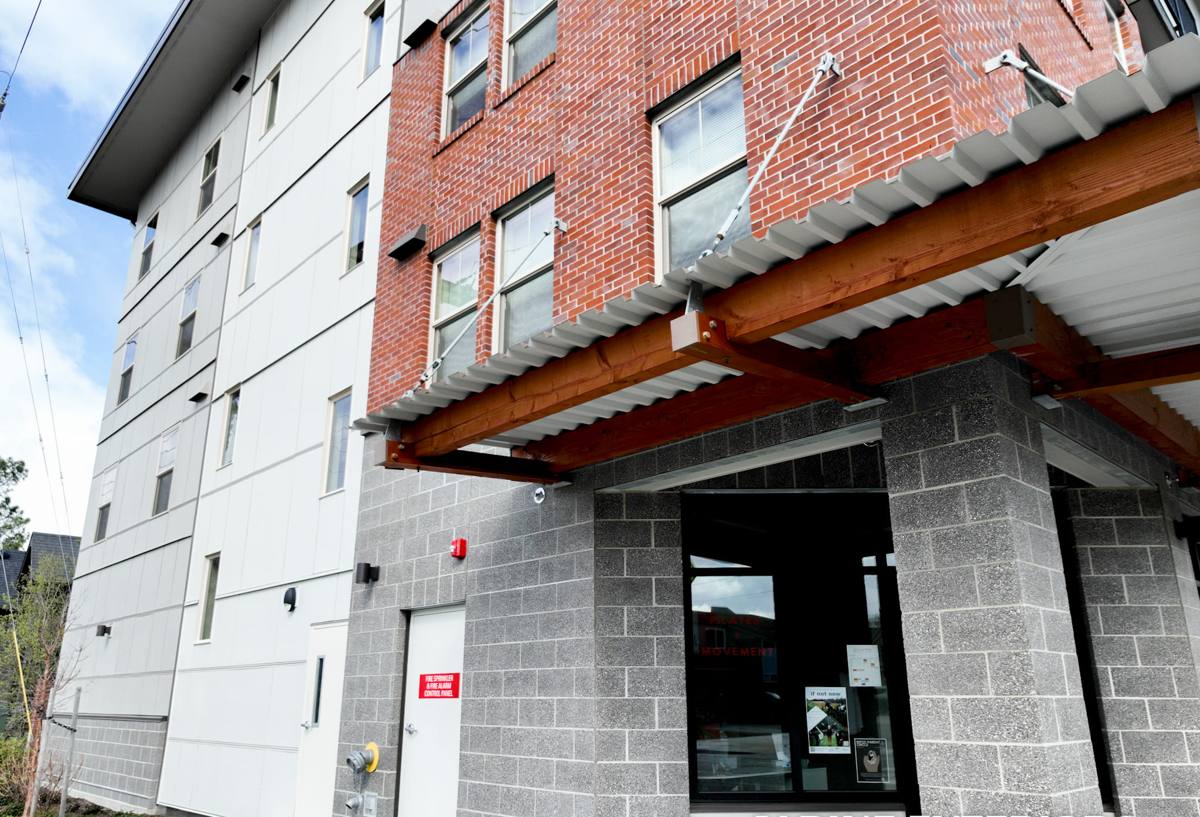
 Chuckanut Exterior
 Windows Built for What Sedro-Woolley Weather Actually Does
Homes in and around Sedro-Woolley sit in a stretch of the Skagit Valley where the weather doesn't do anything extreme, but it also never really lets up. Driving rain rolls through for days at a time, damp air off the Salish Sea carries salt inland further than most homeowners realize, and shaded rooflines and siding stay wet long enough each winter to grow a steady coat of moss. None of that is dramatic on its own. Together, over years, it's exactly the kind of slow, steady exposure that finds every weak point in a window installation — a gap in the flashing, a bead of caulk that shrank, a sill that was never quite sloped right.
Window replacement here isn't just a cosmetic upgrade. It's a chance to correct whatever the original installation got wrong before that moisture cycle turns into rot, mold, or a warped frame. We work Sedro-Woolley and the surrounding Skagit Valley regularly, and the failures we get called out for tend to follow the same pattern: not bad windows, but windows installed without enough attention to how water actually moves around a Pacific Northwest home.
What Local Moisture Exposure Does to Older Windows
Driving Rain and Wind-Driven Water
Rain that falls straight down is easy to shed. Rain that comes in sideways during a windstorm is a different problem — it gets pushed up under trim, behind J-channel, and into any seam that isn't properly lapped or sealed. Older aluminum and early-generation vinyl windows in this area often show water staining on the interior sill or bubbling paint on the trim below the window, which is usually a sign that wind-driven rain has been finding its way past the original flashing for years.
Salt Air and Hardware Corrosion
Being inland from the coast doesn't fully protect a home from salt air, especially on exposed elevations that catch prevailing wind off the water. Salt-laden moisture accelerates corrosion on window hardware — hinges, cranks, locking mechanisms, and screws — long before the glass or frame itself shows wear. If your windows are getting harder to latch or the hardware looks pitted and chalky, that's often the salt air talking, not just general age.
Moss, Shade, and Prolonged Dampness
Wooded lots and north-facing walls around Sedro-Woolley stay damp longer after a rain event than open, sunny exposures. That extended dampness is what lets moss and algae take hold on siding, trim, and window sills. Moss isn't just cosmetic — it holds moisture against wood and composite surfaces, which is exactly the condition that leads to soft sills and rot at the bottom corners of a window frame, usually the first place a window actually fails.
What a Correct Window Replacement Involves
Swapping an old window for a new one in the same hole is the easy part. The work that actually determines whether the new window lasts happens around it.
- Full removal of the old unit and inspection of the rough opening for rot, soft framing, or prior water damage before anything new goes in
- Repair or rebuild of any compromised framing — installing a new window into a damaged opening just repeats the same failure
- Correct sill pan flashing, sloped to shed water outward rather than letting it pool at the base of the frame
- Properly lapped house wrap and flashing tape integration, so water is directed down and out, not behind the new window
- Continuous, correctly rated sealant at the right joints — not as a substitute for flashing, but as a secondary barrier
- Insulation of the gap between the window frame and rough opening, sized to avoid over-compression or gaps
- Interior and exterior trim reinstalled or replaced so the finished look matches the rest of the home
Skip any one of those steps and the window itself can be excellent quality and still fail early. This is why we treat the installation detailing as the actual product, not the window unit sitting in the truck.
Choosing Windows That Hold Up Locally
Most manufacturers offer several frame materials, and each comes with real trade-offs rather than a clear winner. We'll walk through options based on your home, budget, and how much upkeep you want going forward, but here's the honest breakdown for this climate.
| Frame Material | How It Handles This Climate | Maintenance |
|---|---|---|
| Vinyl | Doesn't corrode from salt air, handles moisture well, good insulating value | Low — occasional cleaning, no painting |
| Fiberglass | Very stable in temperature and moisture swings, strong long-term performance | Low — durable finish, minimal upkeep |
| Wood (clad or unclad) | Excellent look, but bare wood exposed to prolonged dampness needs diligent upkeep | Higher — refinishing, sealing exposed joints |
| Aluminum | Prone to corrosion and condensation in damp, salt-influenced air; poor insulator | Moderate, but performance limits are structural, not just cosmetic |
For most Sedro-Woolley homes we recommend vinyl or fiberglass frames specifically because of the moisture and salt exposure discussed above — not because wood or aluminum are bad products, but because they demand a level of ongoing maintenance that most homeowners don't want to keep up with year after year. If you love the look of wood, clad options give you that appearance on the exterior with a lower-maintenance material doing the weather-facing work.
Glass Packages Worth Considering
Double-pane windows with a low-E coating and argon fill are the practical baseline for this region — they cut heat loss and reduce condensation on the interior glass during cold, damp mornings, which is a common complaint with older single-pane or early dual-pane units. Triple-pane glass adds further insulating value and can help with sound, but it's a real cost increase, and for most single-family homes here the return doesn't always justify it. We'll give you straight numbers on both so you can decide.
Signs Your Windows Are Overdue for Replacement
- Visible condensation or fogging between the panes — the seal has failed and the insulating gas is gone
- Soft, spongy, or discolored wood at the sill or bottom corners of the frame
- Windows that are difficult to open, close, or lock, especially after damp weather
- Persistent drafts near the frame even when the window is fully closed and locked
- Visible moss, algae, or dark staining on the sill or exterior trim
- Rising heating bills without another clear explanation
- Paint that's cracking or peeling on the interior or exterior trim around the window
Any one of these on its own might not mean full replacement is urgent. Several of them together, especially on the same window, usually mean the frame or seal has already been compromised and repair is just delaying the same outcome.
Our Process for Sedro-Woolley Homes
1. On-Site Assessment
We look at each window individually, not just the ones you've flagged as problems. Framing condition, orientation, and existing flashing all factor into what we recommend, and it's common to find one or two additional windows worth addressing while we're already on site.
2. Straightforward Proposal
You get a written scope covering frame material, glass package, and what the installation detailing includes — no vague line items. If your home has framing damage that needs repair before installation, we tell you that upfront rather than discovering it mid-job and adding surprise costs.
3. Careful Removal and Opening Prep
Old windows come out, the opening gets inspected and repaired as needed, and any existing rot or moisture damage is addressed before a new unit ever goes in.
4. Correct Installation
Flashing, sealing, insulation, and trim are done to hold up against wind-driven rain and prolonged damp exposure — the same detailing outlined earlier in this page, applied consistently on every window, not just the visible ones.
5. Final Walkthrough
We check operation, seals, and finish work with you before considering the job done, and clean up the site so you're not left with debris or old window units.
Why Local Experience Matters Here
Window replacement done right in Sedro-Woolley isn't fundamentally different from window replacement anywhere in the Pacific Northwest, but the details that matter shift with the local conditions. A crew that mostly works drier inland climates may under-detail the flashing because it's rarely tested. A crew that hasn't dealt with salt-influenced air might not think twice about hardware quality. We work this specific stretch of Whatcom and Skagit County exteriors regularly, which means we're not guessing at how rain, wind, and moss behave on a given lot — we've already seen how these homes hold up, or don't, over time.
That local pattern recognition is what separates a window replacement that looks fine at handoff from one that's still performing well a decade later.
Get a Straightforward Estimate
If your windows are showing any of the signs above, or you just want an honest read on whether repair or full replacement makes more sense for your home, we're happy to take a look. There's no pressure and no obligation — just a clear assessment and a written estimate you can think over. Use the form below to get started.