 Chuckanut Exterior
 Why Burlington Roofs Wear Out Faster Than the Warranty Sticker Suggests
Homes in the Burlington area sit close enough to the water and the tree line that they take on a combination most roofing materials weren't originally designed for: salt-laden air, long stretches of driving rain, and a moss season that can run most of the year in shaded yards. Any one of those on its own is manageable. Together, they shorten the useful life of a roof well before the manufacturer's warranty runs out.
Salt air accelerates corrosion on exposed metal fasteners, flashing, and vent components. Driving rain finds any weak point in a roof plane — not just leaks at the surface, but wind-driven water forced sideways under shingle tabs and around penetrations. And moss doesn't just look bad; its root structure lifts shingle edges and holds moisture against the roof deck long after the rain has stopped. A new roof installation in this climate has to be built to handle all three at once, not just meet code minimums.
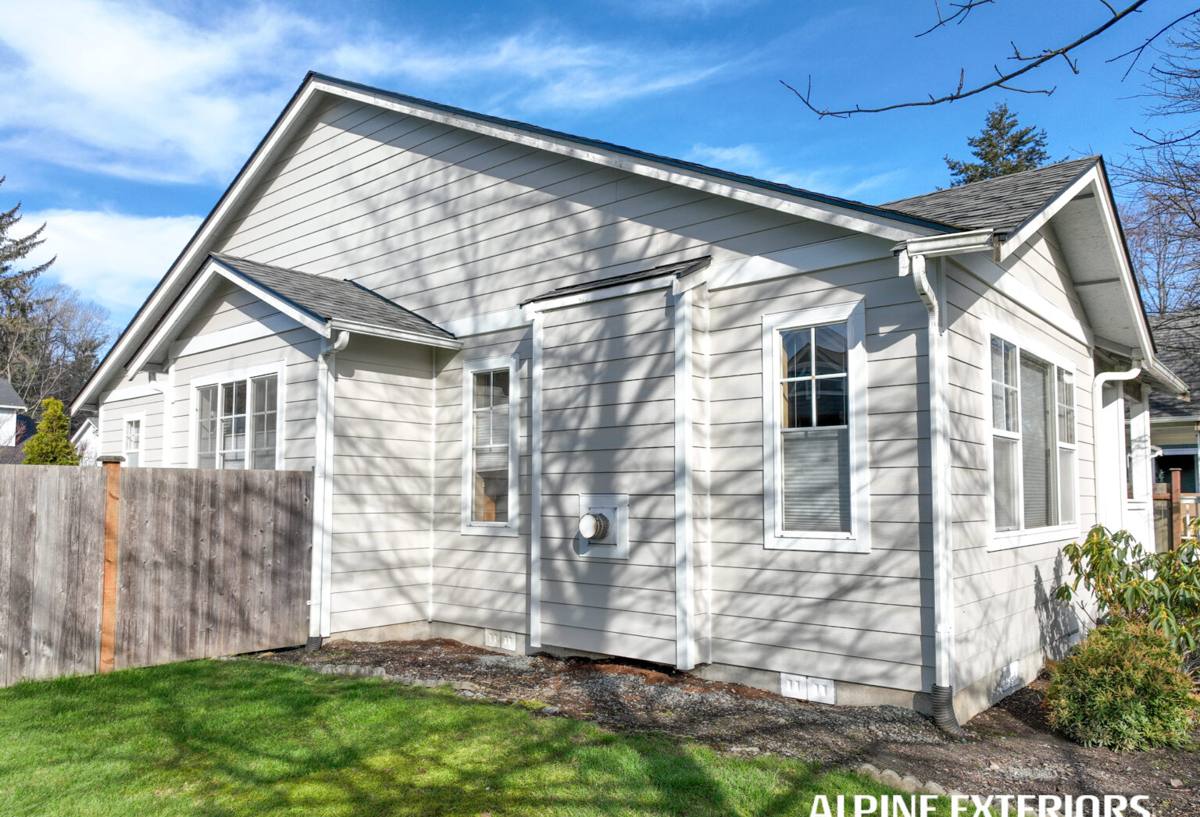
What "Correct" Actually Means for a New Roof Installation Here
A new roof is more than laying fresh shingles over what's already there. Done right, a full installation addresses everything underneath the surface layer too:
- Complete tear-off down to the deck, not an overlay — overlays trap moisture and hide deck damage
- Deck inspection and repair for any soft, delaminated, or water-stained sheathing found once the old roofing is removed
- Ice-and-water shield at eaves, valleys, and around penetrations, where wind-driven rain is most likely to work its way underneath
- Synthetic underlayment across the full deck as a second line of defense, not just felt paper
- New flashing at every chimney, wall intersection, skylight, and roof-to-wall transition — reused flashing is one of the most common causes of early leaks
- Balanced ventilation so intake and exhaust actually move air through the attic, not just a ridge vent added without matching soffit intake
Skipping any one of these doesn't usually show up as a problem in year one. It shows up in year six or seven, as a soft spot in the decking, a stain on a ceiling, or moss taking hold faster than it should on a roof that's supposedly new.
The Deck Is Where Most Roofs Actually Fail
Shingles get replaced. Decking rarely does, unless someone actually pulls the old roofing off and looks. In homes that have carried moss and trapped moisture for years, it's common to find sections of plywood or plank decking that have softened, especially near valleys and eaves. A roof installed over compromised decking will telegraph problems back to the surface no matter how good the shingles are.
Roofing Material Options for Burlington Conditions
There's no single "best" roofing material — the right choice depends on the home's exposure, roof pitch, budget, and how much long-term maintenance the homeowner wants to take on. Here's how the common options actually perform under salt air, rain, and moss pressure:
| Material | Typical Lifespan | Behavior in Salt Air, Rain & Moss | Relative Cost |
|---|---|---|---|
| Architectural asphalt shingle | 25–30 years | Good moisture resistance with proper underlayment; algae-resistant granules slow moss/lichen growth but don't stop it entirely | Moderate |
| Standing seam metal | 40–50+ years | Sheds water and moss buildup very well due to smooth, steep-shed surface; fasteners and flashing need marine-grade or coated hardware to resist salt corrosion | Higher |
| Cedar shake | 20–25 years with upkeep | Attractive but absorbs moisture readily; requires more frequent cleaning and treatment to manage moss and rot in a wet climate | Higher |
| Composite/synthetic shingle | 30–50 years (varies by product) | Doesn't absorb water like wood; resists moss better than untreated shake, though performance varies significantly by manufacturer | Moderate to Higher |
For most Burlington-area homes, a quality architectural asphalt shingle with proper ventilation and flashing detail delivers the best balance of upfront cost and long-term performance. Metal earns its higher price on steep roofs with heavy tree cover, where moss and debris shedding matter most. We'll talk through the trade-offs for your specific roof rather than defaulting to one product for every home.
Ventilation and Moisture Control: The Part That's Easy to Get Wrong
A roof that looks fine from the ground can still be cooking itself from underneath. Without balanced intake and exhaust ventilation, attic moisture from cooking, showers, and everyday living has nowhere to go. In this climate, that trapped moisture condenses against the underside of the deck, which accelerates rot and gives moss and mildew an even easier foothold from the inside out as well as the outside in.
Correct ventilation means matching exhaust (ridge vents, box vents) to adequate intake (soffit vents, often the piece that's missing on older homes) so air actually moves rather than just having vents installed for appearance. We size and balance ventilation as part of every new roof installation, not as an optional add-on.
Signs a Burlington Home Needs Replacement, Not a Repair
Not every roofing problem calls for a full tear-off. But there's a point where patching becomes a way of postponing the same conversation. Common signs it's time to talk about full replacement:
- Granule loss heavy enough that shingles look patchy or bald in sun-exposed areas
- Shingles that are cupping, curling, or cracking across multiple roof planes, not just one spot
- Moss or algae growth that returns within months of cleaning
- Soft spots, sagging, or visible daylight through the decking from the attic
- Repeated leaks in different locations rather than one recurring spot
- A roof approaching or past its expected material lifespan, especially before a known wind or rain season
How Our New Roof Installation Process Works
1. On-Site Assessment
We walk the roof and the attic, not just the exterior. That means checking decking condition, existing ventilation, flashing details, and any moss or moisture patterns specific to the home's exposure and tree cover.
2. A Written Scope and Straightforward Quote
You get a clear breakdown of materials, tear-off, deck repair allowances, and ventilation work — no vague line items and no pressure to decide on the spot.
3. Tear-Off and Deck Repair
Old roofing comes off completely. Any damaged decking is identified and replaced before anything new goes down, and we show you what we found before it gets covered up.
4. Underlayment, Flashing, and Material Installation
Ice-and-water shield at vulnerable areas, synthetic underlayment across the field, new flashing at every penetration and transition, then the roofing material itself, installed to manufacturer spec so warranty coverage stays intact.
5. Ventilation Balancing and Final Walkthrough
Intake and exhaust are checked for balance, the site is cleaned up, and we walk the finished roof with you so you know exactly what was done and where.
Why a Crew That Already Works the Burlington Area Matters
Roofing crews that work all over Western Washington see a lot of roofs, but not necessarily a lot of roofs dealing with this specific mix of salt exposure, rain direction, and moss pressure. A crew that regularly works in and around Burlington and Chuckanut has already seen how local roofs actually fail — which valleys hold moss longest, which orientations take the worst of the wind-driven rain, and which older homes are more likely to have ventilation gaps from past additions or remodels. That local pattern recognition shows up in better flashing decisions and fewer callbacks, not just faster scheduling.
It also matters for accountability. A crew based in the area is easy to reach if a question comes up after the job is done, and has a reputation in the community worth protecting — not just a job number in a large regional queue.
What to Expect and Ask Before You Sign a Contract
Whether you go with us or another contractor, these are worth confirming before work starts:
- Is the quote for a complete tear-off, or does it include overlay language anywhere?
- Is deck repair priced as an allowance, or only added as a surprise change order?
- Does the quote specify underlayment type and flashing replacement, not just shingle brand?
- Is ventilation being assessed and balanced, or just left as-is?
- Who is responsible for permits and inspections, and is that included in the price?
- What does the manufacturer's warranty require in terms of installation certification?
If your roof is showing its age, or you just want an honest read on how much life it has left, we're happy to take a look. Estimates are free, there's no pressure to commit on the spot, and you'll get a straight answer about whether you need a full replacement now or can reasonably wait — just fill out the form below to get started.