 Chuckanut Exterior
 Building a Deck That Actually Holds Up in Bow
Bow sits close enough to the water that every outdoor structure on your property deals with a version of the same problem: salt-laden air, long stretches of driving rain, and a moss season that can run from October clear through May. A deck built the way it might be built in a drier inland town won't last here. We build decks specifically for this stretch of the Chuckanut corridor, and that shows up in the material choices, the fasteners, the flashing details, and the slope we cut into the framing before a single board goes down.
This page is about one service — custom deck construction and rebuilds — for one area. If you're comparing bids for a new deck, a full tear-out and rebuild, or a repair on an existing structure in Bow, here's what actually matters and why.
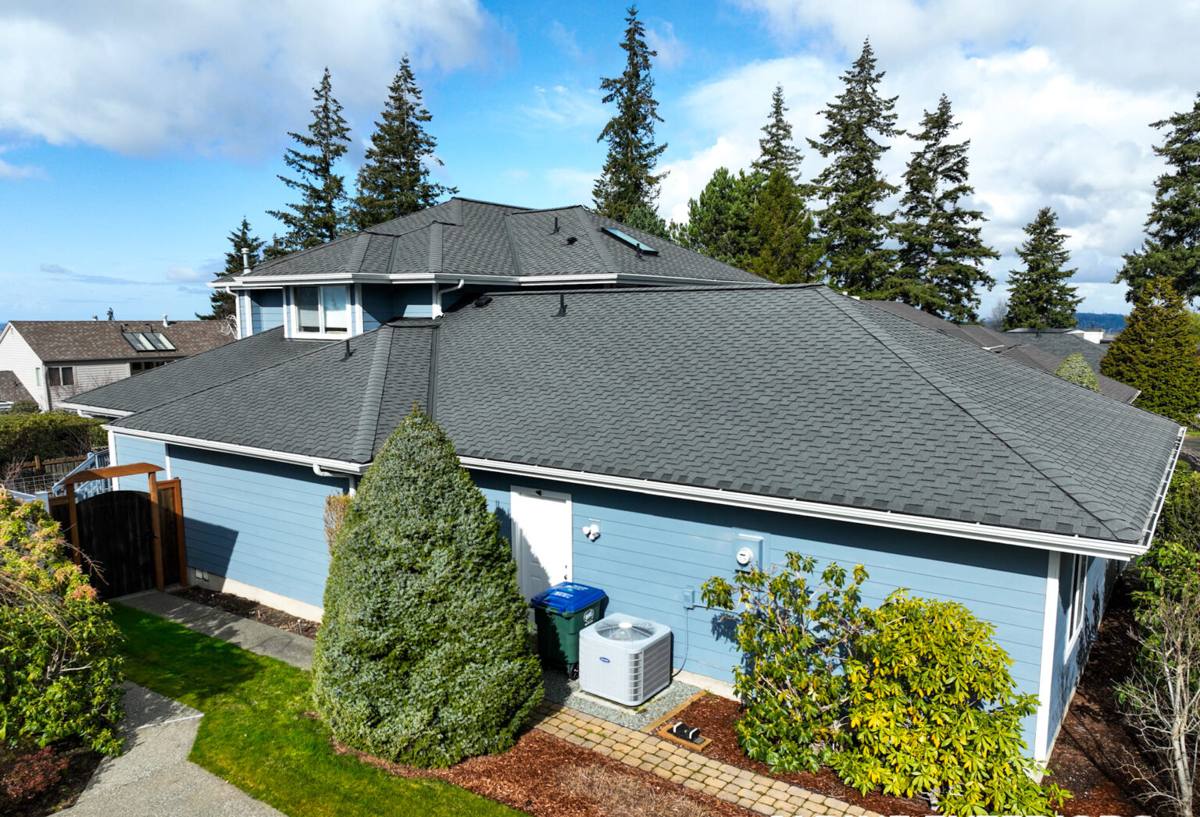
What Salt Air and Rain Do to a Deck Over Time
Three things wear decks out faster here than in most parts of the country:
- Salt air corrosion — airborne salt from Samish Bay and the surrounding waterways accelerates rust on fasteners, brackets, and any exposed metal hardware. Standard galvanized screws that would last decades inland can start showing rust streaks in a few years this close to the water.
- Driving rain — wind-driven rain doesn't just fall on a deck, it gets pushed sideways into ledger connections, under railings, and into end grain. Any gap in the flashing or sealant becomes a slow leak point.
- Extended moss and algae growth — with a long wet, mild season and limited direct sun in many yards, horizontal wood and composite surfaces stay damp longer than they would elsewhere. That moisture is what feeds moss and algae, and it's also what accelerates rot in untreated wood.
None of these are dramatic, one-time failures. They're slow, cumulative problems — which is exactly why they get missed on decks that weren't built with this climate in mind, and why they show up as soft boards, loose railings, or a slick, moss-covered surface a few years earlier than the homeowner expected.
Choosing the Right Decking Material for Bow
There's no single "best" decking material — there's a best material for your budget, your sun exposure, and how much upkeep you actually want to do. Here's how the common options compare for a coastal Whatcom County property:
| Material | Moisture Behavior | Maintenance | Typical Lifespan Here |
|---|---|---|---|
| Pressure-treated fir/hem-fir | Resists rot with proper sealing; end grain still vulnerable | Re-seal or stain every 1–2 years | 15–20 years with upkeep |
| Western red cedar | Naturally rot- and insect-resistant; softer, dents more easily | Oil or stain every 1–3 years to hold color | 20–25 years with upkeep |
| Composite decking | Doesn't rot, but capped boards can still trap moss film on the surface | Periodic wash-down, no staining or sealing | 25–30+ years, warranty-backed |
| PVC decking | Fully moisture-proof board itself | Wash-down only | 25–30+ years |
Composite and PVC cost more up front but remove the recurring sealing and staining labor — which matters if you're not planning to be out there every spring with a pressure washer and a can of stain. Cedar and treated lumber cost less initially and give you that traditional wood look, but only hold up if the maintenance actually happens on schedule. We'll walk through the trade-offs against your budget and how much sun your deck gets, since shaded decks under trees grow moss faster regardless of material.
Framing, Fasteners, and Flashing — the Parts You Don't See
A deck's surface material gets all the attention, but the framing underneath is what actually determines whether it lasts. This is where corners get cut on cheaper jobs, and it's also where salt air and rain do the most damage because problems stay hidden until they're serious.
Ledger Board Flashing
The ledger board — where the deck attaches to your house — is the single most common failure point on any deck in a wet climate. Water that gets behind an improperly flashed ledger doesn't just rot the ledger, it can work its way into the house framing and sheathing behind it. We flash every ledger connection with proper step and drip-cap flashing and a moisture barrier, not just caulk, which degrades and cracks within a few seasons.
Fasteners and Hardware
Given the salt air here, we use stainless steel or high-grade coated fasteners rated for coastal exposure, along with corrosion-resistant joist hangers and structural connectors. Cheaper galvanized hardware is a false economy — the labor to fix a corroded connector years later costs far more than the difference in hardware price today.
Footings and Posts
Post footings need to go below frost depth and bear on stable soil, which can vary block to block in this area depending on how much clay and moisture the ground holds through the wet months. We check soil conditions on-site rather than assuming a standard footing depth will work everywhere.
Designing for Drainage, Not Just Appearance
A deck that looks great on day one but wasn't sloped or gapped correctly will grow moss and hold water within its first wet season. A few things we build into every deck:
- A slight slope away from the house so water sheets off instead of pooling near the ledger.
- Correct board spacing so water drains through rather than sitting on the surface.
- Airflow underneath the deck — proper joist spacing and, where possible, skirting that still allows ventilation, so the underside can dry out between rain events instead of staying damp for weeks.
- Material and finish choices matched to how much direct sun the spot actually gets, since a heavily shaded deck will always need more moss management regardless of what it's built from.
None of this is visible once the deck is finished, but it's the difference between a deck that needs a quick wash-down each spring and one that's growing a slick green film by its second winter.
Permits, Setbacks, and Guardrail Requirements
Most raised decks require a building permit, and elevated decks need guardrails and baluster spacing that meet current code — this isn't optional, and it's not something to skip to save time. Setback requirements from property lines can also matter depending on your lot, and waterfront-adjacent properties near Samish Bay may have additional shoreline considerations depending on the specific parcel. We handle the permit process and code compliance as part of the job so you're not left tracking that down yourself.
Our Process, Start to Finish
- On-site estimate — we walk the space, check sun exposure, existing structure (if it's a rebuild), and soil conditions, and talk through material options against your budget.
- Design and permit — we finalize layout, size, and material, then pull the necessary permit before any work begins.
- Demo, if applicable — for rebuilds, we remove the old structure and inspect the ledger and any framing that was hidden underneath, since that's often where the real problems are found.
- Framing — footings, posts, beams, and joists go in first, with corrosion-resistant hardware and proper ledger flashing before any decking is installed.
- Decking and railing installation — boards, railings, and stairs go in with correct spacing and slope.
- Final walkthrough — we go over the finished deck with you, including what maintenance it needs and on what schedule, before we call the job done.
Deck Maintenance Checklist for This Climate
Whatever material you choose, a little seasonal attention goes a long way in a marine climate. A simple annual routine:
- Sweep debris out of board gaps before it composts in place and holds moisture against the wood.
- Wash the surface with a deck cleaner or diluted solution to knock back moss and algae before it gets established — a stiff brush works better than a pressure washer on wood, which can be damaged by too much pressure.
- Check and re-seal cedar or treated lumber on the schedule your finish product recommends, typically every 1–2 years.
- Inspect railings and stair connections annually for any looseness, which can indicate a fastener starting to corrode.
- Look at the ledger flashing line each fall for any gaps, cracking caulk, or staining that suggests water intrusion.
- Trim back overhanging branches to reduce shade and leaf litter, both of which extend how long the deck stays damp.
Why It Matters That We Already Work in Bow
A crew that mainly builds decks in drier inland climates will often use standard flashing details and standard fastener grades — because that's what works where they usually build. Those same standard choices fail faster here. We work this stretch of Whatcom County regularly, which means we're already familiar with how salt air and sustained rain affect deck hardware and finishes locally, what soil conditions to expect on a given lot, and which material and maintenance combinations actually hold up for homeowners in Bow rather than just looking good in a showroom.
If you're planning a new deck, replacing an aging one, or dealing with soft boards, moss buildup, or a railing that's started to feel loose, we're glad to take a look and give you a straight assessment of what it needs. Reach out for a free, no-pressure estimate — we'll walk the site, answer your questions, and give you honest options for your budget and your yard.