 Chuckanut Exterior
 Windows Built for a Sedro-Woolley Winter (and Every Season After It)
Homes around Sedro-Woolley and the broader Chuckanut area of Whatcom County live with a specific combination of weather stresses that most window manufacturers design around, not for: salt-laden air moving in off Puget Sound and the surrounding waterways, long stretches of driving rain that hits window assemblies sideways rather than straight down, and a moss season that can stretch from late fall well into spring. None of these things individually destroy a window fast. Together, over years, they find every weak point in a frame, a seal, or an installation detail that was rushed.
Custom windows aren't about luxury sizing or unusual shapes, though we do plenty of that too. For most Sedro-Woolley homeowners, "custom" simply means windows built to the actual dimensions and conditions of their house — not a generic stock size forced into an opening that was never quite square to begin with, and not a frame material chosen for cost alone in a climate that will punish that choice within a decade.
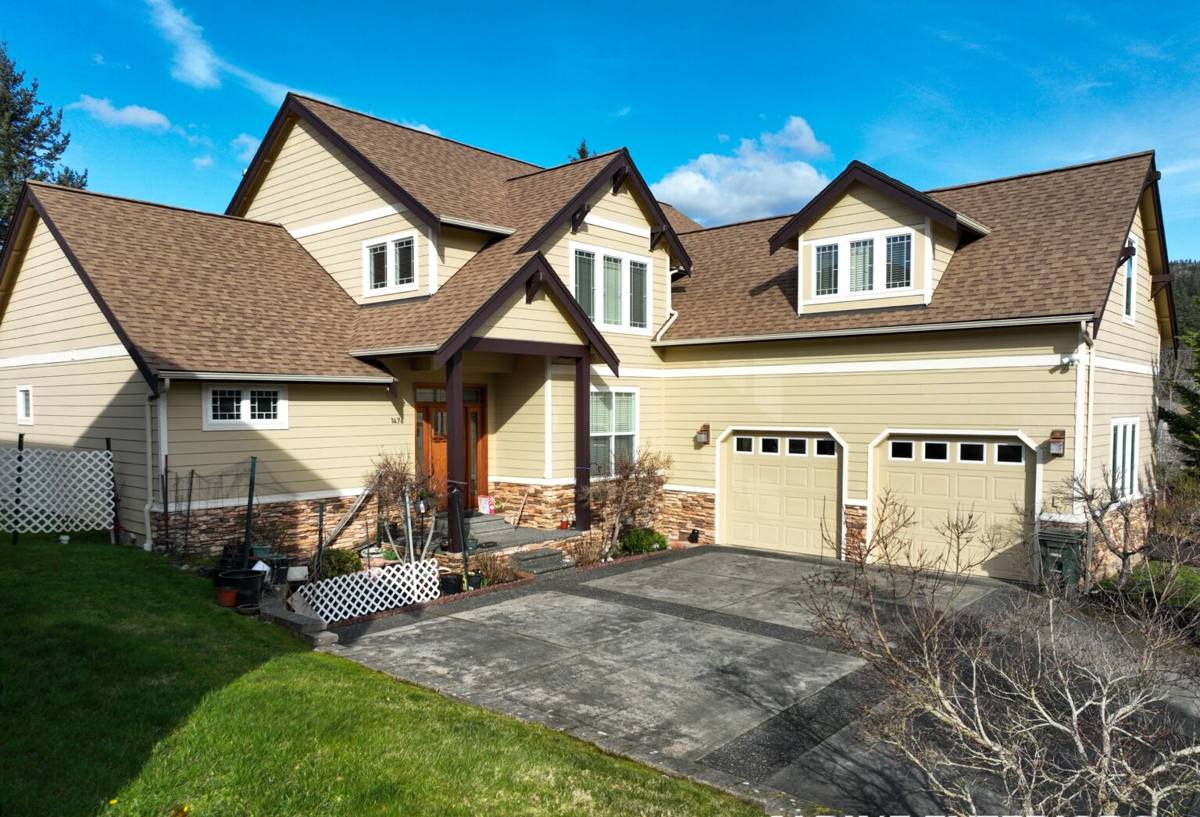
What "Custom" Actually Means for a Local Home
Every house settles differently. Older homes in this area often have openings that have shifted slightly out of square over the decades, and additions or remodels sometimes introduce rough openings that were never standard to start with. A true custom window order starts with our own field measurements — not the builder's original plans, not the old window's label — because those numbers drift over time and a window that's even a quarter-inch off invites water and air infiltration no amount of caulk will fully solve.
Custom covers more than size
- Frame material matched to sun exposure, salt exposure, and how much upkeep the homeowner actually wants to do
- Glass package selected for the specific orientation of that wall — west-facing rooms need different solar control than shaded north walls
- Hardware finish chosen with corrosion resistance in mind, not just color matching
- Sill and flashing details designed for the actual water exposure of that opening, including how far the roof overhang protects it
- Grille pattern and exterior profile that fit the age and style of the house instead of a one-size-fits-all default
Frame Materials: What Holds Up Near Salt Air and What Doesn't
We get asked constantly which frame material is "best." The honest answer is that it depends on exposure, budget, and how much maintenance a homeowner wants to sign up for. Here's how the common options actually compare under Whatcom County coastal conditions rather than in a showroom.
| Frame Material | Salt Air / Moisture Behavior | Maintenance | Typical Fit |
|---|---|---|---|
| Vinyl | Won't corrode or rot; performs well in salt air when properly welded at the corners | Low — occasional cleaning | Most homes; best value for full-house replacement |
| Fiberglass | Excellent dimensional stability, very good moisture and salt resistance | Low | Homes with larger openings or where minimal expansion/contraction matters |
| Wood-clad | Interior wood needs protection from condensation; exterior cladding shields against rain but seams need monitoring | Moderate — interior finish upkeep | Homes prioritizing a traditional wood interior look |
| Aluminum | Conducts cold and can corrode faster in salt air unless properly coated; prone to condensation on the frame itself | Moderate to high near the water | We use it selectively and specify marine-grade finishes when we do |
We're not going to tell a homeowner a product is bad just because it's not our first recommendation — aluminum has real uses, particularly in commercial-style openings or specific architectural details. But for a typical Sedro-Woolley home taking direct weather off the water, we lean toward vinyl or fiberglass because the long-term maintenance burden is lower and the corrosion risk on hardware and frame is significantly reduced.
Installation Details That Determine Whether the Window Actually Works
A high-quality window installed poorly will leak. A modest window installed correctly will outperform it. This is the part of the job that's invisible once the trim goes back on, which is exactly why it matters most.
What a correct installation includes
- A sloped sill pan under every window so any water that gets past the sash has somewhere to go besides your wall framing
- Proper flashing sequencing — house wrap, then flashing tape, then the window nailing flange, layered shingle-style so water always sheds outward and down
- Backer rod and sealant at the exterior, sized correctly for the gap rather than just filling it with excess caulk
- Low-expansion foam or backer rod at the interior gap — not standard spray foam, which can bow a frame out of square
- Interior air sealing that's separate from exterior weatherproofing, so the two systems don't fight each other
In a driving-rain climate, that sill pan and flashing sequence is non-negotiable. Rain here doesn't fall straight down against a wall — wind pushes it sideways and up under trim and flanges that weren't detailed correctly. That's where the slow leaks start, often not showing up as visible water damage for a year or two after installation.
Our Process, Start to Finish
We keep this straightforward because window replacement shouldn't be a mystery to the homeowner living with the result.
- On-site assessment — we look at every opening being replaced, note orientation, current condition, framing issues, and any water damage already present
- Field measurements — taken by us, not estimated from old records, since actual openings rarely match original plans
- Material and glass selection — walked through with the homeowner, including honest trade-offs between options rather than a single upsell path
- Written estimate — itemized so it's clear what's covered, including removal, disposal, flashing materials, and interior/exterior trim work
- Installation — one opening at a time so the house isn't left exposed, with sill pan and flashing work done to the standard above on every unit
- Final walkthrough — operation check on every window, sealant inspection, and a look at the interior and exterior finish work before we consider the job done
Signs Your Current Windows Are Already Losing the Fight
Homeowners often assume a window is fine as long as it opens and closes. In this climate, that's not always a reliable test. Here's what we actually look for.
- Fogging or condensation between panes — the seal has failed and the argon or air gap is compromised
- Soft or discolored wood trim around the frame, especially at the bottom sill
- Visible moss or dark staining building up on the exterior sill or trim below the window
- Drafts you can feel with a hand near the frame edge on a windy day
- Difficulty opening, closing, or locking that wasn't there a few years ago
- Corroded or pitted hardware, latches, or hinges
- Paint or finish peeling specifically around the window opening rather than the wall generally
Any one of these on its own might just mean a repair. Several together, especially on windows original to an older home, usually means the frame or seal system has reached the point where replacement costs less over time than continuing to patch it.
Energy Performance in a Marine Climate
Whatcom County's climate is mild compared to inland Washington, but that doesn't mean glass performance doesn't matter. The bigger factor here is often comfort and condensation control rather than extreme heating or cooling loads. A properly specified low-E glass package reduces heat loss through the glass in winter and cuts down on interior condensation on cold, damp mornings — a real issue in a region where indoor humidity tends to run higher for a larger part of the year. We select glass packages by orientation: south and west walls generally benefit from different solar control than shaded north-facing rooms, and we'll walk through those options rather than defaulting to one spec for the whole house.
Why Local Experience with This Kind of Weather Matters
A crew that mostly installs windows in drier inland climates will often build in the same margins for caulk and sealant that work fine there and fail here. Driving rain exposes shortcuts that a milder climate would hide for years. Working regularly in Whatcom County and the surrounding Chuckanut area means we're not guessing at how much flashing overlap a given wall needs, or which frame materials hold up against salt air exposure versus which ones start showing corrosion on hardware within a few seasons. It also means we understand how long the moss season runs here and design sills and trim details that shed water and stay cleaner longer, rather than creating flat surfaces where moss and organic debris collect.
Maintenance That Actually Matters Here
Custom windows installed correctly need relatively little upkeep, but a long wet season does call for a bit of seasonal attention.
- Clear debris and moss buildup from exterior sills and tracks a couple of times a year, especially heading into and out of the wettest months
- Check exterior caulk lines annually for cracking or separation, particularly on south and west-facing walls that see the most temperature swing
- Wipe down hardware periodically if the home is close to open water, since salt residue accelerates corrosion if left to sit
- Keep weep holes on the exterior sill clear so water has a path out instead of pooling
None of this is heavy maintenance — it's the kind of thing that takes fifteen minutes a couple of times a year and meaningfully extends the life of the installation.
Get a Straightforward, No-Pressure Estimate
If your windows are original to the house, showing the signs above, or you're planning a broader exterior update in Sedro-Woolley or elsewhere around Chuckanut, we're happy to come take a look and give you an honest read on what's actually needed — no pressure, no inflated urgency. Use the form below to request a free estimate.