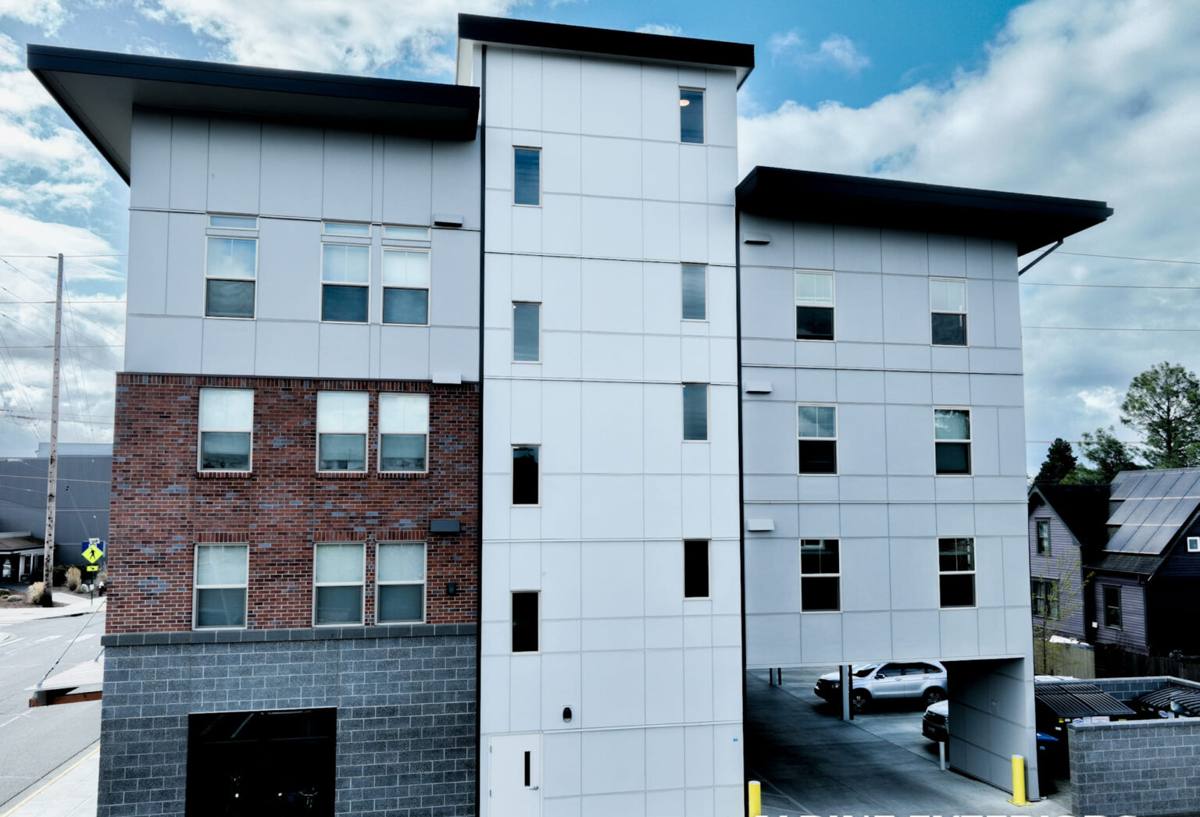
 Chuckanut Exterior
 Windows Built for Happy Valley's Weather, Not Just the Showroom
Happy Valley sits close enough to the water and the tree line that its homes take on a specific kind of weather stress: salt-laden air rolling in off the bay, wind-driven rain that hits window frames sideways rather than straight down, and a moss season that can stretch from early fall through late spring. None of that is exotic for Whatcom County, but it does mean that a window that performs fine in a drier inland climate can fail early here — fogging between panes, swelling at the sash, or letting cold air leak in around a frame that's lost its seal. When we talk about "energy-efficient windows" for a Happy Valley house, we're really talking about two overlapping jobs: cutting the home's heating load through a long, mild-but-damp winter, and keeping moisture and salt air from breaking down the window assembly faster than it should.
This page is about that one job, done right, for homes in this specific pocket of Chuckanut. We're not going to walk through every window style on the market — we'll focus on what actually holds up here, what a correct installation looks like given the climate, and how our process runs from first look to final seal.
What Local Conditions Actually Do to Windows
Salt Air
Airborne salt is corrosive to unprotected metal components — hardware, fasteners, and lower-grade frame reinforcements. Over years, that corrosion can loosen locking mechanisms and pit finishes, especially on windows facing open air with little wind break. It's a slow process, but it's constant, and it's worth accounting for at the material-selection stage rather than trying to fix later.
Driving Rain
Wind-driven rain doesn't just sit against the glass — it gets pushed sideways into the joint between the window frame and the rough opening. If flashing and sealant details aren't done correctly at install, water finds its way behind the trim and into the wall cavity. This is almost never a defect in the window itself; it's an installation problem, and it's the single biggest reason two identical windows can perform completely differently depending on who put them in.
Moss and Sustained Dampness
A long moss season means extended stretches where exterior surfaces near windows — sills, trim, and adjacent siding — stay damp longer than they would in a drier climate. Moss and algae growth holds moisture against wood trim and can accelerate rot at vulnerable points like sill corners and the bottom of window casings if those areas aren't detailed and maintained properly.
What a Correct Job Involves Here
Given all that, a proper energy-efficient window installation in Happy Valley has a few non-negotiables:
- Full removal of old flashing and sealant, not just caulking over what's already there
- Correctly lapped flashing tape at the sill, jambs, and head so water sheds outward and downward, never inward
- A sill pan at the base of the rough opening to catch and direct any water that does get past the outer seal
- Corrosion-resistant hardware and fasteners appropriate for a coastal-influenced climate
- Low-maintenance frame materials at exposed sills and trim where moss and moisture collect
- Interior and exterior sealant compatible with the substrate and rated for our temperature swings
Skipping any one of these doesn't usually cause an immediate, visible problem. It shows up two, five, or eight years later as a soft spot in the wall, a foggy pane, or a window that won't lock properly anymore. That lag time is exactly why installation quality matters more than brand name.
Choosing the Right Window for Energy Performance
"Energy-efficient" isn't one spec — it's a combination of factors that need to match the house. For Whatcom County's climate, the priorities are:
| Factor | Why It Matters Here |
|---|---|
| U-Factor (insulation value) | Lower U-factor keeps heat inside during our long heating season — this matters more here than solar heat gain does |
| Air Leakage Rating | Wind off the water means real pressure against window seals; a tight air-leakage rating reduces draft and moisture infiltration |
| Frame Material | Needs to resist both moisture swelling and salt-air corrosion without heavy annual maintenance |
| Glazing (double vs. triple pane) | Double-pane with a good low-E coating is often sufficient for our mild winters; triple-pane adds cost and weight that only pays off in colder inland climates |
| Condensation Resistance | Persistent damp air raises indoor humidity concerns; a higher condensation resistance rating helps limit interior fogging on cold mornings |
We'll walk through these trade-offs with you in person, because the right answer depends on your home's orientation, how exposed it is to wind and salt air, and your budget — not on whichever product happens to be the most heavily marketed that year.
Frame Material, Honestly
Vinyl frames are the most common choice for this kind of project and, for most Happy Valley homes, they make sense: they don't corrode, they don't need repainting, and modern multi-chamber vinyl frames perform well thermally. Fiberglass and composite frames are worth considering on homes with heavier sun or wind exposure, since they hold dimensional stability a bit better over time, though they cost more upfront. We're selective about wood-frame replacements on the exterior faces most exposed to salt air and driving rain — not because wood windows are a bad product, but because the maintenance burden (repainting, sealing, monitoring for rot) is real, and we'd rather set that expectation honestly upfront than have a homeowner find out the hard way five years in.
Our Process for Happy Valley Homes
1. On-Site Assessment
We look at each window opening individually — not just the glass, but the condition of the rough opening, existing flashing, sill, and surrounding trim. In a moss-prone, damp climate, hidden rot at the sill or lower jamb is common enough that we check for it every time, not just when it's visibly obvious.
2. Product Recommendation
Based on the exposure of each elevation of your home — south and west-facing walls generally take more wind and rain than north and east-facing ones — we'll recommend window specs and frame materials suited to that specific exposure, not a one-size-fits-all package.
3. Removal and Opening Prep
Old windows come out carefully, and we inspect the opening at that point for any moisture damage that needs repair before a new window goes in. Installing a new window into a compromised opening just locks the problem behind the new frame.
4. Flashing, Sill Pan, and Sealing
This is where most of the long-term performance is actually decided. We install sill pans and properly lapped flashing so water is directed out and away from the wall assembly, then set and shim the window for a square, true fit before sealing.
5. Interior and Exterior Finish
Trim is reset or replaced, gaps are insulated (not just caulked shut, which can trap moisture), and exterior sealant is applied where it will actually hold up to sun and rain cycling rather than cracking within a season or two.
6. Final Walkthrough
We check operation, seal integrity, and finish quality with you before considering the job done.
Signs Your Current Windows Are Costing You
- Visible fog or moisture between panes of double-pane glass
- Drafts you can feel near the frame, especially during windy weather
- Windows that are difficult to open, close, or lock — often a sign of frame swelling or hardware corrosion
- Soft or discolored trim or sill material around the window
- Moss or persistent green growth on sills or nearby trim that stays damp for extended periods
- Noticeably higher heating costs compared to similarly sized homes with newer windows
Any one of these on its own isn't necessarily urgent. Several together, especially on the same window or the same side of the house, usually mean it's worth a closer look before the underlying wall structure is affected.
Maintenance That Actually Extends Window Life Here
Even a well-installed window benefits from basic upkeep in this climate:
- Clear moss and debris from sills and tracks a couple of times a year, especially heading into the wetter months
- Rinse salt residue off frames and hardware periodically if your home has direct water exposure
- Check exterior sealant annually for cracking or separation and have it addressed before a small gap becomes a leak path
- Operate hardware regularly so moving parts don't seize from disuse combined with humidity
Why Local Installation Experience Matters
Window installation instructions in a manufacturer's manual are written for average conditions across the country. They don't account for the specific combination of wind-driven rain and salt air that a Happy Valley elevation actually faces, or how long moss season here really runs. A crew that already works in Chuckanut and across Whatcom County has seen which details fail first in this climate and builds around them as a matter of habit — not as an upsell. That local pattern recognition is often the difference between a window that's still tight in ten years and one that needs the trim rebuilt in five.
If you're weighing whether your current windows are due for replacement, or you want a straightforward look at what energy-efficient options make sense for your specific home, we're happy to come take a look. There's no pressure and no cost to get an honest read on where things stand — just fill out the form below to schedule a free estimate.