 Chuckanut Exterior
 Building New in Sehome? The Window Package Deserves Its Own Plan
New-construction windows are a different job than swapping out an old window in an existing wall. When a home is framed and open, you get one real chance to set the window opening, the flashing, and the water管理 layers correctly before siding closes everything up. In Sehome and the surrounding Chuckanut area, that first pass matters more than in a lot of places, because the walls here are asked to hold back salt-laden air, long stretches of driving rain, and a moss and mildew season that never really ends. Get the window package right during framing and the house stays dry and efficient for decades. Get it wrong, and the mistake is buried behind siding and trim where nobody finds it until there's a stain on drywall.
This page is about doing that first pass correctly — what a new-construction window installation actually involves, what our local climate demands from the materials and the flashing detail, and how we run the job when we're brought in during a build in this neighborhood.
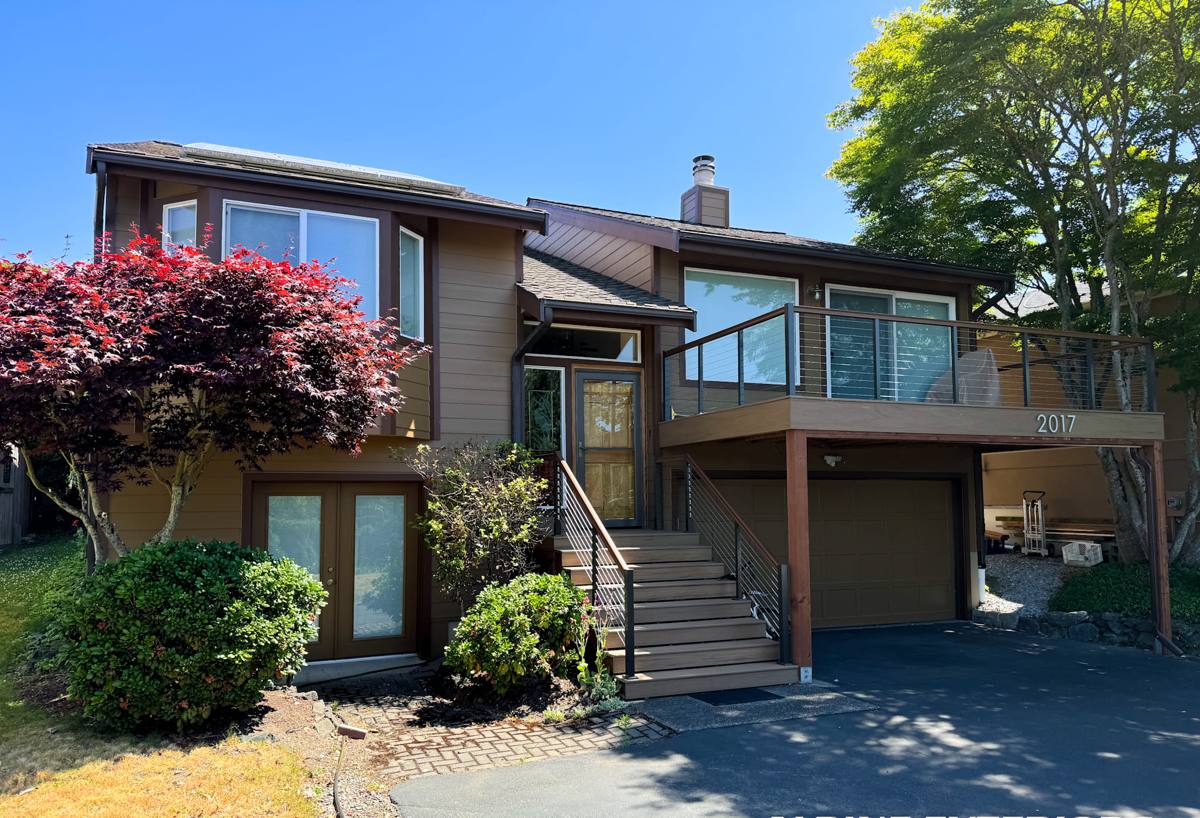
What Chuckanut's Climate Does to a New Window Opening
Whatcom County sits close enough to the water that salt-bearing air is a constant, low-grade factor on anything metal — hinges, cranks, screws, cladding fasteners. Add driving rain that comes in sideways during winter storms, and every new-construction opening has to assume wind-driven water will hit the window face and try to find a way around it, not just down it. Then there's moss season — the long wet, shaded stretch of the year when anything that stays damp on a north or west wall grows something green. That's less about the window unit itself and more about whether water gets a chance to sit against wood trim, sills, or unpainted fastener heads.
None of this means a new-construction window has to be exotic or expensive. It means the flashing sequence, the sill pan, and the hardware finish all need to be chosen and installed with that combination of moisture and salt in mind — not just built to a generic code minimum.
The Three Things That Actually Fail First
- Sill flashing that wasn't sloped or lapped correctly, letting water sit under the window instead of draining out
- Fastener and hardware corrosion from salt air on cheaper coated steel instead of stainless or properly finished hardware
- Trim and cladding gaps that trap moisture long enough for moss and mildew to take hold before the first repaint
New-Construction vs. Replacement: Why the Job Is Different
A replacement window fits into an existing, already-flashed opening — the work is mostly about the unit itself and sealing it into what's there. New-construction windows are installed into a raw rough opening before siding or house wrap is finished, which means we're responsible for building the entire water-management system around the window, not just the window.
That's actually an advantage if it's done right — there's no old flashing to work around, no guessing what's hidden in the wall. But it also means there's no room for skipped steps. Everything from the sill pan to the head flashing to how the window ties into the weather-resistive barrier has to happen in the correct order, because once siding goes on, that sequence is locked in for the life of the house.
| Factor | Replacement Window | New-Construction Window |
|---|---|---|
| Flashing responsibility | Tied into existing conditions | Built from scratch, full control of sequence |
| Window flange type | Usually flangeless or retrofit frame | Nail-fin or block-frame, set into open studs |
| Timing on the job | Standalone project | Coordinated with framer, siding, and window supplier |
| Hidden defects risk | Existing wall conditions may be unknown | Low, if flashing sequence is inspected before closing in |
| Best window style match | Constrained by existing opening size | Any size/style the plans allow |
Getting the Rough Opening Right
Before a window ever shows up on site, the rough opening needs to match the manufacturer's specified dimensions with consistent, square tolerances — not just "close enough." An opening that's out of square by even a small amount forces the window into a stressed position, which shows up later as a hard-to-operate sash or a corner that won't seal no matter how much caulk gets added.
We check framing dimensions against the actual window schedule before installation day, not after the crane or delivery truck has already dropped units on site. On a Sehome build, that coordination with the framer matters because catching a sizing issue at framing is a same-day fix — catching it after siding is on is a tear-out.
The Flashing Sequence That Keeps Water Out
This is the part of new-construction window work that actually determines whether the house stays dry through a Whatcom County winter. The sequence, in order, generally looks like this:
- Sill pan flashing installed first, sloped slightly to the exterior so any water that gets past the window drains back out instead of pooling on the framing
- Window set into the opening, shimmed level, plumb, and square, and fastened per the manufacturer's schedule
- Side flashing tape applied over the nailing fin, lapping the sill pan correctly
- Head flashing installed last, lapping over the side flashing and integrating with the weather-resistive barrier above the opening so water sheds down and over, never behind
- Housewrap or building paper integrated in shingle-fashion — upper layers always lapping over lower ones — before siding goes on
Every lap in that sequence has to go the same direction water actually travels on this wall — down and out. It sounds simple written out, but it's the single most common thing rushed on new-construction jobs, because once it's covered, nobody checks it again until there's a problem.
Choosing Window Materials and Hardware for Salt Air and Rain
Frame material for a new build in this area comes down to a few honest trade-offs, not a single "best" answer:
- Vinyl: Low maintenance, good moisture resistance, budget-friendly, but quality varies a lot between manufacturers — reinforced frames hold up better under wind load
- Fiberglass: Very stable dimensionally, holds paint well if you want a specific exterior color, higher upfront cost
- Wood-clad: Warmer interior look, but the exterior cladding and any exposed wood needs consistent maintenance in a climate this wet, or moss and rot get a foothold
Hardware — hinges, cranks, locks — is where salt air quietly does the most damage over time. We favor stainless or marine-grade coated hardware on new-construction jobs in this area over standard-grade finishes, because the cost difference upfront is small compared to replacing corroded hardware five years in.
Energy Performance for a Whatcom County Build
Washington's energy code sets minimum U-factor and solar heat gain requirements for new construction, and those numbers are stricter than what a lot of off-the-shelf window packages default to. On a new build, this is decided at the plan-and-order stage, not after windows are already on site, so we confirm the specified glass package actually meets the energy code for this climate zone before ordering — including any credits the rest of the building envelope is counting on the windows to help deliver.
Beyond code minimums, double- or triple-pane glass with a good low-E coating also cuts down on interior condensation during the coldest, wettest stretches of the year — which matters for keeping sills and trim dry from the inside, not just the outside.
Our Process on a New-Construction Job in Sehome
We work new-construction windows as a coordinated step in the build, not an isolated trade visit:
- Review the window schedule and rough opening dimensions against the plans before framing is finalized
- Confirm glass package meets Washington energy code for this zone
- Install sill pan, set and fasten the window, then run the full flashing sequence in the correct lap order
- Coordinate timing with the framer and siding crew so flashing is never left exposed longer than necessary
- Walk the openings with the builder or homeowner before siding closes them in, so everyone can see the flashing before it's covered
That last step — inspecting before it's covered — is the one most often skipped on production-schedule builds. We build it into the process because it's the only point where a mistake is still cheap to fix.
What a Correct Job Looks Like Five and Ten Years Later
The real test of new-construction window work isn't how the house looks at final walkthrough — it's whether the sills stay dry, whether hardware still operates smoothly, and whether moss and staining stay off the trim through repeated wet seasons. A correctly flashed and properly specified window package in this climate should need nothing more than normal cleaning and the occasional hardware lubrication for years, not caulk touch-ups every fall.
If you're building or planning a build in Sehome and want the window package specified and installed correctly from the start, we're happy to walk the plans with you and give a straightforward, no-pressure estimate — just fill out the form below.