 Chuckanut Exterior
 Windows Built for York's Weather, Not Just Its View
Homes in the York area of Chuckanut sit close enough to the water and the tree line that windows take a beating most inland houses never see. Salt-laden air off the bay works on metal hardware and fasteners year-round. Driving rain off Puget Sound storms finds every gap in a tired frame. And the long, damp Whatcom County moss season keeps trim, sills, and cladding wet for weeks at a stretch. Window installation here isn't just a cosmetic upgrade — it's a decision about how well your home resists moisture intrusion for the next twenty or thirty years.
We install windows for York homeowners with that reality in mind. That means specific flashing details, specific sealant choices, and specific attention to how a window ties into the wall assembly around it — not just setting a unit in an opening and running a bead of caulk around the outside.
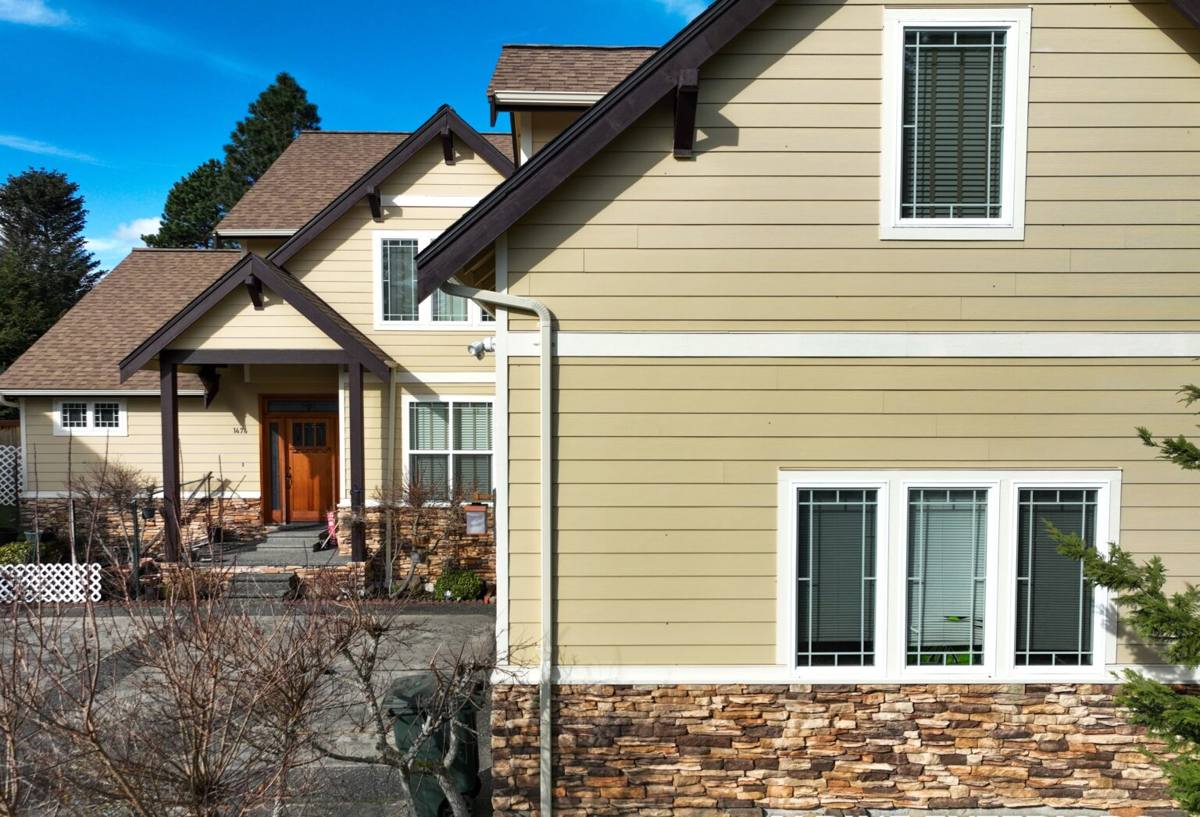
What York's Climate Actually Does to a Window
Salt Air and Hardware Corrosion
Coastal air carries fine salt particulate that settles on window hardware, screen frames, and exposed fasteners. Over years, that accelerates corrosion on lower-grade hinges, cranks, and locks — especially on older aluminum-frame windows that were never rated for a marine-influenced environment. New installations in York benefit from corrosion-resistant hardware and frame materials suited to a coastal microclimate, not just whatever ships standard with a builder-grade package.
Driving Rain and Wind-Driven Water
Storms coming off the water don't just drop rain straight down — wind pushes it sideways into wall assemblies and window openings. A window that's watertight in a calm rain can still leak under wind-driven conditions if the flashing and sealant details weren't done correctly. This is where most window failures we see in this area actually originate: not a bad window, but a window installed without proper head flashing, sill pans, or integration with the home's water-resistive barrier.
Moss Season and Sustained Moisture
Whatcom County's moss season means extended stretches where wood trim, sills, and siding around a window stay damp rather than drying out between rain events. That sustained moisture is what rots wood sills, delaminates poorly sealed trim, and lets minor gaps turn into real rot damage over a few seasons. Detailing that manages water at the sill — so it sheds out and away instead of pooling — matters more here than in a drier inland climate.
What a Correct Window Installation Involves
A proper install is a sequence, and skipping steps is exactly how coastal homes end up with hidden rot behind perfectly good-looking trim. Here's the order we follow and why each step matters:
- Remove and inspect. Old window comes out, and we check the rough opening framing and sheathing for existing rot or moisture staining before anything goes back in.
- Repair the opening. Any soft or damaged framing gets addressed now — installing a new window over compromised framing just hides the problem.
- Install a sill pan. A sloped, sealed sill pan gives any water that gets past the window a path back outside instead of into the wall.
- Integrate flashing with the water-resistive barrier. Flashing tape and house wrap are layered shingle-style — top piece over bottom — so water always drains outward, never behind the layer below it.
- Set the window level, plumb, and square. A racked frame stresses seals and can bind operable sashes, leading to premature hardware wear.
- Fasten per manufacturer spec. Correct fastener type, placement, and spacing — not just enough screws to hold the unit still.
- Insulate the gap correctly. Low-expansion foam or backer rod and sealant around the frame, avoiding over-packing that can bow the frame.
- Exterior trim and sealant. A quality, flexible, UV-stable sealant at all trim joints — this is a maintenance item, not a one-time fix, especially in salt air.
- Interior finish. Trim, paint or stain, and a final operational check on every sash and lock.
Choosing the Right Window for a Coastal Whatcom County Home
Frame material and glass package both matter more here than in a typical inland install. We steer York homeowners toward materials and configurations that hold up specifically to salt air and sustained moisture, and we're upfront about the trade-offs of each option rather than pushing one product as universally "best."
| Frame Material | Coastal Performance | Maintenance | Typical Trade-off |
|---|---|---|---|
| Fiberglass | Excellent — very stable, resists corrosion and doesn't expand/contract much with temperature | Low | Higher upfront cost than vinyl |
| Vinyl (quality-grade) | Good — no corrosion risk, but can expand/contract more in temperature swings | Low | Weaker frame junctions on cheaper lines; we're selective on brand tier |
| Wood (clad exterior) | Good if cladding is intact; vulnerable where cladding is compromised | Moderate to high | Interior warmth and appearance, but exterior wood needs the cladding to stay sealed |
| Aluminum (uncoated/older style) | Poor in salt air — prone to corrosion and condensation | High | We generally don't recommend it for this specific coastal exposure |
On glass, a dual-pane unit with a quality low-E coating and warm-edge spacer is the practical standard for this climate — it manages condensation risk on cold, damp days and cuts heat loss during the long wet season. Triple-pane is worth discussing on north- or water-facing walls where wind exposure is highest, but it's not automatically necessary on every elevation of every home.
Why a Crew That Already Works York Matters
York's homes share a set of conditions — proximity to water, exposure direction, moss buildup patterns, older housing stock with original single-pane or early dual-pane windows — that a crew working across all of Chuckanut and Whatcom County sees repeatedly. That familiarity shows up in practical ways: knowing which elevations of a home typically take the worst wind-driven rain, recognizing early rot signs specific to this area's moisture pattern, and not having to relearn coastal detailing on your project. A crew that mostly installs windows in drier, inland conditions may do a perfectly fine job on a standard install and still miss the sill pan or flashing sequencing that a coastal home actually needs.
Signs Your York Home's Windows Need Attention
- Visible condensation or fogging between panes (failed seal)
- Drafts felt around the frame even when the window is fully latched
- Soft, discolored, or spongy wood trim or sills
- Difficulty opening, closing, or locking a sash that used to operate smoothly
- Visible corrosion or chalky buildup on metal hardware or frames
- Moss or persistent green staining on the sill or trim below the window
- Paint or finish peeling specifically around the window opening rather than the wider wall
- Noticeably higher heating costs with no other explanation
What Affects the Cost of a Window Installation
Every York home is a little different, so we won't quote a number without seeing the actual openings, but the main cost factors are consistent:
| Factor | Why It Matters |
|---|---|
| Frame material and glass package | Fiberglass and upgraded low-E packages cost more upfront than standard vinyl |
| Number and size of openings | Larger units and multi-window projects have different labor and material scaling |
| Existing framing condition | Rot repair behind an old window adds time and material before the new unit even goes in |
| Retrofit vs. full-frame replacement | Full-frame replacement addresses flashing properly but involves more exterior trim and siding work |
| Access and elevation | Second-story or hard-to-reach windows near steep terrain add labor time |
Costs for a straightforward single-window replacement generally run from a few hundred dollars into the low thousands per opening depending on size and material, with full-frame replacements and larger units at the higher end of that range. We'll walk through the actual numbers for your home during an estimate rather than guessing here.
Retrofit vs. Full-Frame Replacement
Homeowners often ask which approach is right for their situation. A retrofit (also called a "pocket" or "insert" replacement) fits a new window into the existing frame and is faster and less disruptive to interior and exterior finishes. Full-frame replacement removes everything down to the rough opening, which costs more and takes longer but lets us fully address flashing, sill pans, and any hidden rot. For York homes with older single-pane windows or any sign of past water intrusion, we generally recommend a real look at the existing frame condition before committing to a retrofit — inserting a new window into a frame that's already compromised just delays a bigger repair.
Our Process, Start to Finish
We start with an on-site look at your specific windows and their exposure — a water-facing wall gets a different conversation than a sheltered one. From there we walk you through material and glass options with honest trade-offs, provide a clear written estimate, and schedule the work around weather windows that make sense for exterior sealant and trim work. During installation we follow the flashing and sill-pan sequence outlined above on every unit, regardless of whether it's a single window or a whole-home project. When the job's done, we walk the openings with you and confirm every sash operates and locks correctly before we consider it finished.
If you're weighing a window project for a York-area home, we're happy to take a look and give you a straight, no-pressure estimate — no obligation, just an honest read on what your windows actually need.