 Chuckanut Exterior
 Windows in Columbia Take a Different Kind of Beating
If you own a home in the Columbia area of Chuckanut, you already know your windows don't have an easy life. Between the salt air drifting in off the water, the driving rain that comes sideways in a winter storm, and the long stretch of the year when moss and algae have every excuse to take hold, window frames and seals here age faster than they would in a drier, inland climate. A window replacement done for a Columbia home needs to account for all three of those stressors from the start — not as an afterthought, but as part of how the job is planned, priced, and installed.
This page is about that one job, done for that one area: what local conditions actually do to windows, what a correct replacement looks like, and why a crew that already works in Chuckanut and the broader Whatcom County area brings something a traveling or out-of-town outfit simply can't.
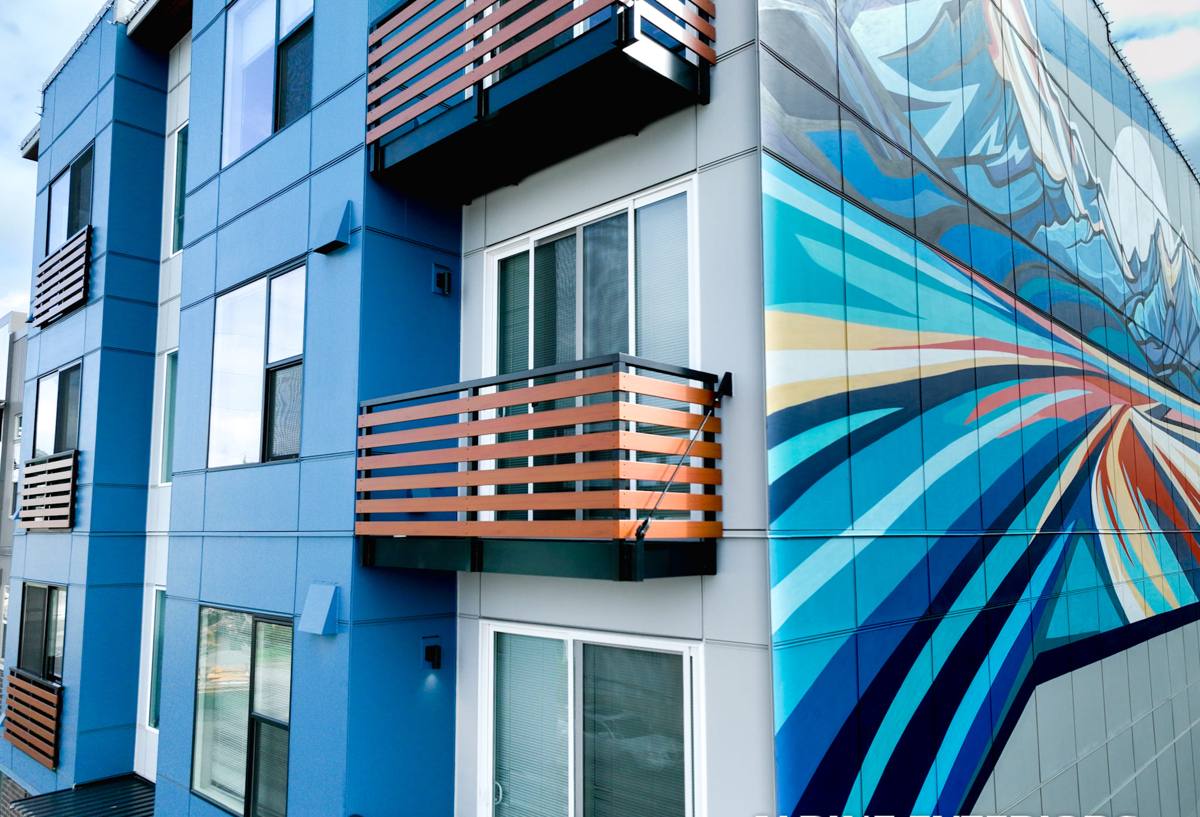
What Salt Air, Driving Rain, and Moss Actually Do to Windows
Salt Air and Metal Fatigue
Airborne salt is corrosive to metal hardware — hinges, cranks, locks, and especially aluminum frames or cladding that aren't rated for coastal exposure. Over years, salt-laden air accelerates pitting and corrosion on components that would otherwise last decades. It also breaks down some sealants and finishes faster than manufacturers' standard testing accounts for, since that testing is often done for inland climates.
Driving Rain and Wind-Driven Water
Rain that falls straight down is one problem. Rain that gets pushed sideways by wind off the water is a different, harder problem, because it finds its way into gaps that would never see water in a calmer climate. Wind-driven rain tests flashing details, sill pans, and the quality of the seal around a window far more aggressively than a light drizzle ever would. A window that's merely "caulked in" rather than properly flashed and pan-sealed will eventually let water past the frame and into the wall cavity, even if the glass and sash themselves are in fine shape.
Moss, Algae, and Prolonged Moisture
A long moss season means surfaces around windows stay damp longer between dry spells. Moss and algae growth on sills, trim, and cladding hold moisture against wood and painted surfaces, which speeds up rot and finish failure in exactly the spots where water intrusion is already most likely. On older wood-frame windows especially, this combination of prolonged dampness and organic growth is often what finally pushes a window from "needs maintenance" to "needs replacement."
Signs a Columbia-Area Home Needs Window Replacement
Not every problem window needs full replacement — but in this climate, some symptoms show up consistently once a window has passed the point where repair makes sense. Walk your home and check for these:
- Soft or spongy wood at the sill or lower corners of the frame
- Persistent fogging or a visible haze between panes (failed seal on double-pane glass)
- Visible corrosion, pitting, or stiff operation on hinges, locks, or cranks
- Drafts or a noticeable temperature difference near the window even when it's closed and locked
- Moss or dark staining that keeps returning on the sill or exterior trim shortly after cleaning
- Paint that bubbles, peels, or won't hold near the frame, even after prep and repainting
- Difficulty opening, closing, or locking the window smoothly
- Visible daylight or gaps around the frame from the interior
One or two of these on their own might point to a repair or a re-seal. Several at once, especially combined with soft wood, usually means the frame itself has taken on water and replacement is the more honest recommendation.
What a Correct Window Replacement Job Actually Involves
Removal and Inspection
Every job should start with removing the old window carefully enough to inspect the rough opening underneath. This is the point where hidden rot, prior water damage, or poor original flashing gets found — and it has to get addressed before a new window goes in, not covered over. Skipping this step is the single most common shortcut that leads to problems a few years down the road.
Flashing and Weatherproofing
Given how much wind-driven rain this area sees, the flashing details matter as much as the window itself. That means a properly sloped sill pan, correctly lapped flashing tape or building paper (so water sheds outward and downward, never inward), and sealant used in the right places — not as a substitute for proper flashing, but as a supplement to it.
Frame Selection for Coastal Exposure
Given the salt air, hardware and frame material choices should reflect coastal-grade expectations rather than standard inland specifications. That includes corrosion-resistant hardware and finishes suited to airborne salt exposure.
Sealing and Insulation
The gap between the new window frame and the rough opening needs to be properly insulated and air-sealed — not just stuffed with fiberglass, which settles and leaves gaps. Low-expansion foam or backer rod with sealant, used correctly, keeps both air and moisture from tracking through that gap over time.
Choosing Window Materials for This Climate
There's no single "best" window material for every home — it depends on budget, the home's style, and how much maintenance you want to take on. Here's how the common options stack up specifically against salt air, driving rain, and moss exposure:
| Material | Coastal / Salt Air Behavior | Moisture & Moss Resistance | Maintenance Burden |
|---|---|---|---|
| Vinyl | Does not corrode; hardware is the main wear point | Good — non-porous surface resists moss growth | Low |
| Fiberglass | Very stable; minimal expansion or corrosion issues | Good — dense surface, holds paint/finish well if applicable | Low to moderate |
| Wood (unclad) | Hardware needs coastal-rated finishes | Most vulnerable — needs consistent upkeep to prevent rot | High |
| Wood-clad (aluminum or vinyl exterior) | Exterior clad protects the wood core if the cladding and seams are sound | Good on the exterior; interior wood still needs a dry, well-sealed frame | Moderate |
| Aluminum (non-thermally-broken) | Prone to corrosion and pitting in salt air over time | Poor thermal performance also invites condensation | Moderate to high |
For most Columbia-area homes, vinyl and fiberglass tend to hold up with the least ongoing maintenance given the salt air and moisture load. Wood and wood-clad options can still be the right call for a specific architectural look — the trade-off is simply that they demand more consistent upkeep in this climate, and that's worth going in with eyes open rather than discovering it five years later.
Our Process for a Columbia Window Replacement Project
1. On-Site Assessment
We look at every window being replaced individually — not just the glass, but the sill, the trim, and what we can see of the rough opening. Homes in this area often have a mix of window ages and conditions, so the plan isn't always "replace all of them the same way."
2. Honest Scope and Estimate
You get a clear breakdown of what's being replaced, what materials are recommended and why, and what it will cost — including calling out upfront if we expect to find rot or damage once we open things up, so there are no surprise change orders for something that was predictable.
3. Careful Removal and Prep
Old windows come out carefully to protect interior and exterior finishes, and the opening gets inspected and repaired as needed before anything new goes in.
4. Installation, Flashing, and Sealing
New windows go in with proper flashing, sill pans, insulation, and sealant — the details that actually determine how the window performs against wind-driven rain over the next fifteen or twenty years, not just how it looks on day one.
5. Cleanup and Walkthrough
We walk the finished work with you, confirm every window operates and locks correctly, and clean up the job site before we leave.
Why a Crew That Already Works in Columbia Matters
Window replacement isn't a one-size-fits-all trade, and coastal Whatcom County conditions aren't the same as what a crew based further inland deals with day to day. A contractor who already works the Chuckanut area has seen firsthand how salt air, wind-driven rain, and moss season play out on real homes here — which frame materials actually hold up, which flashing mistakes show up again and again on older installs, and which parts of a job are worth spending a little more on versus where it doesn't matter. That's not something you can fully substitute with a manufacturer's spec sheet written for a national market.
There's also a practical side to hiring local: scheduling around the wetter months, sourcing materials that make sense for this climate, and being reachable if a question comes up after the install — not just during the sales pitch.
Cost Factors for Window Replacement in This Area
Costs vary based on the home and the scope, but the factors that move the price for a Columbia-area project tend to be consistent:
| Factor | Why It Affects Cost |
|---|---|
| Frame material | Vinyl is typically the most budget-friendly; fiberglass and wood-clad options cost more upfront |
| Number of windows | Per-window cost usually drops somewhat as the total project size increases |
| Rot or structural repair | Hidden damage found at the rough opening adds labor and material not visible before removal |
| Window size and type | Large picture windows, bays, or custom shapes cost more than standard double-hung or slider sizes |
| Access and site conditions | Second-story windows, tight clearances, or difficult access add labor time |
The honest range for straightforward, single-story window replacement typically runs from a few hundred to well over a thousand dollars per window depending on these factors — which is exactly why an on-site estimate matters more than a phone quote.
Protecting Your Investment After Installation
A well-installed window in this climate can still lose years of life to neglect. A little seasonal attention goes a long way:
- Rinse sills and frames periodically to keep salt residue from accumulating
- Clear moss or algae from sills and surrounding trim before it spreads or holds moisture
- Check exterior caulking annually and touch up any cracked or separated sections
- Operate hardware (locks, cranks, hinges) periodically so corrosion doesn't set in unnoticed
- Keep gutters and downspouts clear so water isn't sheeting past windows during heavy rain
If you're weighing whether your Columbia-area home needs a full window replacement or just targeted repairs, we're happy to take a look and give you a straight answer either way. Fill out the form below for a free, no-pressure estimate — we'll walk the property, explain what we find, and let you decide from there.