 Chuckanut Exterior
 Silver Beach sits close enough to the water that its homes take a different kind of weather beating than houses a few miles inland. Salt-laden air, wind-driven rain off the water, and long stretches of gray, damp months add up to a siding environment that punishes anything not built or installed for it. Board and batten is one of the most popular looks for this stretch of Whatcom County — it reads as clean, coastal, and a little more custom than flat lap siding — but the look only holds up if the material and the installation underneath it are built for what Silver Beach actually throws at a house.
Why Board & Batten Is a Good Fit for Silver Beach — If It's Done Right
Board and batten siding uses wide vertical panels with narrow strips (battens) covering the seams. The vertical lines shed water differently than horizontal lap siding, and when it's detailed correctly, that vertical drainage path is actually an advantage in a wet climate. The problem is that "vertical" also means more seams running up the wall, more cut edges exposed to weather, and more places where a sloppy installer can let water get behind the cladding instead of off of it. In a marine climate like Silver Beach's, those details aren't cosmetic — they're the difference between siding that lasts decades and siding that's rotting from behind within five or six years while still looking fine from the street.
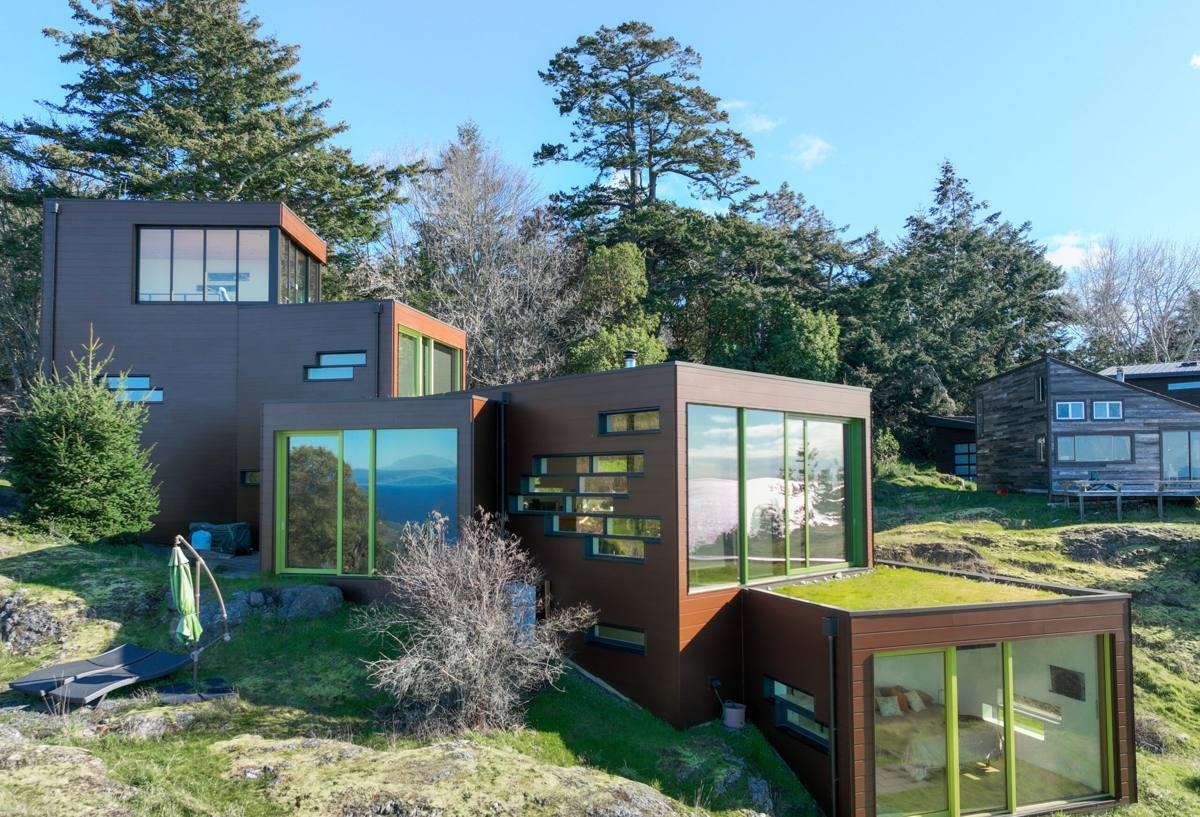
What Silver Beach's Climate Actually Does to Siding
Three things define the wear pattern out here, and each one interacts with board and batten siding differently:
- Salt air: Airborne salt accelerates corrosion on fasteners, flashing, and any metal trim, and it degrades cheap paint finishes faster than inland exposure. It also holds moisture against surfaces longer than dry coastal air elsewhere.
- Driving, wind-blown rain: Storms coming off the water don't just fall straight down — they push rain sideways into wall assemblies, which is exactly the condition that exposes weak flashing, poor caulking, and undersized overhangs. Board and batten's vertical seams need to be engineered for this, not just caulked and hoped for.
- Extended moss and algae season: Whatcom County's damp, shaded months give moss and green algae a long runway to establish on north-facing and tree-shaded walls. Once organic growth gets a foothold in a seam or behind a batten, it holds moisture against the substrate and accelerates whatever decay process is already underway.
None of these are exotic problems — they're the same three forces every coastal Pacific Northwest neighborhood deals with. What changes house to house is whether the siding system was chosen and installed to resist them, or just installed to look good on move-in day.
What a Correct Board & Batten Installation Requires
Drainage Plane and Rainscreen Gap
Behind every board and batten wall should be a water-resistive barrier and, ideally, a ventilated rainscreen gap. That gap lets any moisture that does get past the cladding drain and dry out instead of sitting against the sheathing. On a house exposed to driving rain off the water, skipping this step is one of the most common reasons board and batten siding fails early — from the back, where nobody sees it until there's a soft spot or a smell.
Fastening and Batten Spacing
Battens need to be fastened into structural framing, not just through the panel into open air, and fastener spacing has to account for wind exposure. Homes closer to open water or exposed ridgelines need tighter fastening schedules than a sheltered inland lot — a detail that generic installation crews unfamiliar with Silver Beach's exposure sometimes miss.
Flashing at Every Penetration
Windows, doors, hose bibs, light fixtures, vents — every penetration through a vertical siding plane is a place water can find its way in if it isn't flashed correctly. Board and batten's vertical seams make careful head flashing and kick-out flashing at rooflines especially important, since water running down the wall face has fewer horizontal breaks to divert it.
Cut-Edge Sealing
Every field cut on a fiber cement board exposes the material's core. Manufacturers require those cut edges to be primed and sealed before installation — a step that takes extra time and gets skipped by crews rushing through a job. In salt air and driving rain, an unsealed cut edge is where moisture intrusion typically starts.
Why We Install James Hardie Board & Batten and Nothing Else
We only install James Hardie fiber cement siding — no vinyl, no LP SmartSide, no cedar, no primed spruce. For board and batten specifically, that means HardiePanel vertical siding paired with Hardie trim battens, finished in a factory-applied ColorPlus coating rather than field-applied paint.
A few reasons that matters for a Silver Beach home specifically:
- Non-combustible core: Fiber cement doesn't feed a fire the way wood-based products can, which matters anywhere in Washington given regional wildfire risk, even for coastal properties.
- Engineered for wet climates: Hardie's HZ5 product line is formulated for the moisture and freeze-thaw patterns of the Pacific Northwest, rather than a generic national spec.
- Factory-cured ColorPlus finish: Because the color coat is baked on at the factory rather than brushed on-site, it resists the fading, chalking, and moisture-driven peeling that field-painted wood and fiber cement can develop, especially in salt air.
- Doesn't rot or delaminate like wood-based sidings: Cedar and primed spruce board and batten look similar on day one, but both are organic materials that absorb moisture over time. In a climate with a long wet season, that's a maintenance burden we don't want to hand a homeowner.
We won't pretend Hardie is maintenance-free — no exterior product is. But it's the system we've found holds up to this specific coastline without the recurring paint, caulk, and rot repairs that wood-based board and batten tends to need out here.
Board & Batten Material Comparison for a Silver Beach Home
| Material | Moisture Behavior | Salt Air Durability | Maintenance | Typical Lifespan |
|---|---|---|---|---|
| James Hardie Fiber Cement | Won't rot or swell; engineered for wet coastal climates | Factory finish resists salt-driven fade and chalking | Periodic wash; no repainting cycle with ColorPlus | 30+ years with proper install |
| Cedar | Absorbs moisture, prone to cupping and rot without diligent upkeep | Weathers and grays faster near salt air | Regular re-staining/sealing required | 15-25 years, heavily maintenance-dependent |
| Primed Spruce/Wood | Vulnerable to moisture intrusion at seams and cuts | Salt air degrades paint film faster than inland | Frequent repainting and caulk maintenance | 10-20 years |
| Vinyl | Doesn't rot, but can warp/buckle with heat and impact | Can become brittle over time; seams can loosen | Low, but limited repair options if damaged | 20-30 years, appearance degrades sooner |
The table above is about the material itself. Installation quality moves every one of these numbers up or down, sometimes dramatically — a poorly installed premium product can fail faster than a well-installed budget one.
Our Process on a Silver Beach Board & Batten Job
A crew that already knows this neighborhood's exposure works differently than one seeing it for the first time:
- On-site assessment: We look at the home's specific exposure — proximity to open water, prevailing wind direction, shade and moss patterns, and the condition of the existing wall assembly before quoting anything.
- Tear-off and substrate check: Old siding comes off and we inspect sheathing for hidden moisture damage, which is common on homes that have had years of marine exposure behind failing siding.
- Water-resistive barrier and rainscreen: We install the drainage plane and gap appropriate to the home's exposure level before a single board goes up.
- Panel and batten installation: HardiePanel and battens go up to manufacturer fastening specs, adjusted for wind exposure, with every cut edge primed and sealed.
- Flashing and trim detail: Windows, doors, and roof intersections get flashed and sealed as part of the install, not as an afterthought.
- Final walkthrough: We go over the finished job with the homeowner and explain what upkeep — if any — the system actually needs going forward.
What to Ask Before Hiring for Board & Batten in Silver Beach
- Do you install a rainscreen gap or drainage plane behind board and batten siding, or is it installed direct-to-sheathing?
- What's your fastening schedule for homes with direct wind or water exposure?
- Are cut edges primed and sealed on-site before the board goes up?
- What siding brand and product line are you quoting, and why that one?
- Have you worked on homes in this specific area, and do you understand its wind and moisture exposure?
- What does the manufacturer's warranty actually cover, and does it transfer if the home sells?
Any contractor who can't answer these clearly and specifically is guessing at details that determine whether your siding lasts fifteen years or thirty.
Moss, Algae, and Long-Term Upkeep
Even with the right material and installation, Silver Beach's long damp season means moss and algae will eventually try to establish on shaded or north-facing walls. ColorPlus-finished Hardie siding doesn't stop organic growth from landing on the surface, but its factory finish resists the staining and surface degradation that untreated wood surfaces suffer when moss and algae take hold. A homeowner's ongoing job is simple: keep gutters clear so water isn't sheeting down the wall face, trim back vegetation that shades and dampens siding longer than necessary, and rinse off visible growth before it spreads. That's a very different maintenance list than the sanding, re-caulking, and repainting cycle that wood-based board and batten demands in this climate.
Why a Local Crew Matters for This Job
Board and batten installation quality depends on judgment calls — fastening schedules, flashing details, rainscreen decisions — that should be based on how exposed a specific wall actually is, not a one-size-fits-all national spec sheet. A crew that regularly works Whatcom County's coastal neighborhoods has already seen how salt air, driving rain, and moss season play out on homes like yours, and adjusts the installation accordingly instead of learning that lesson on your wall. That local pattern recognition is the difference between siding that's still doing its job in year twenty and siding that needed a rescue job in year eight.
If you're weighing board and batten siding for a Silver Beach home, we're happy to take a look and walk you through what your specific exposure calls for. Reach out for a free, no-pressure estimate — there's a form below to get started.