 Chuckanut Exterior
 Deck Building in Silver Beach: Built for How This Area Actually Weathers
Silver Beach homeowners in Chuckanut deal with a specific combination of conditions that most generic deck-building advice never accounts for: damp air moving in off the water, driving rain that comes in sideways more often than straight down, and a moss season that can stretch from late fall through spring. A deck built with standard framing choices and a one-size-fits-all fastener schedule will often show problems within a few years — soft spots at the ledger, green film on the walking surface, and fasteners that bleed rust stains into the boards. Building correctly for Silver Beach means designing around these conditions from the first piece of lumber, not trying to fix them after the fact with a pressure washer.
This page covers what a deck built for this specific neighborhood needs, what a correct installation actually involves, and how we approach the work when we're building or replacing a deck here in Chuckanut.
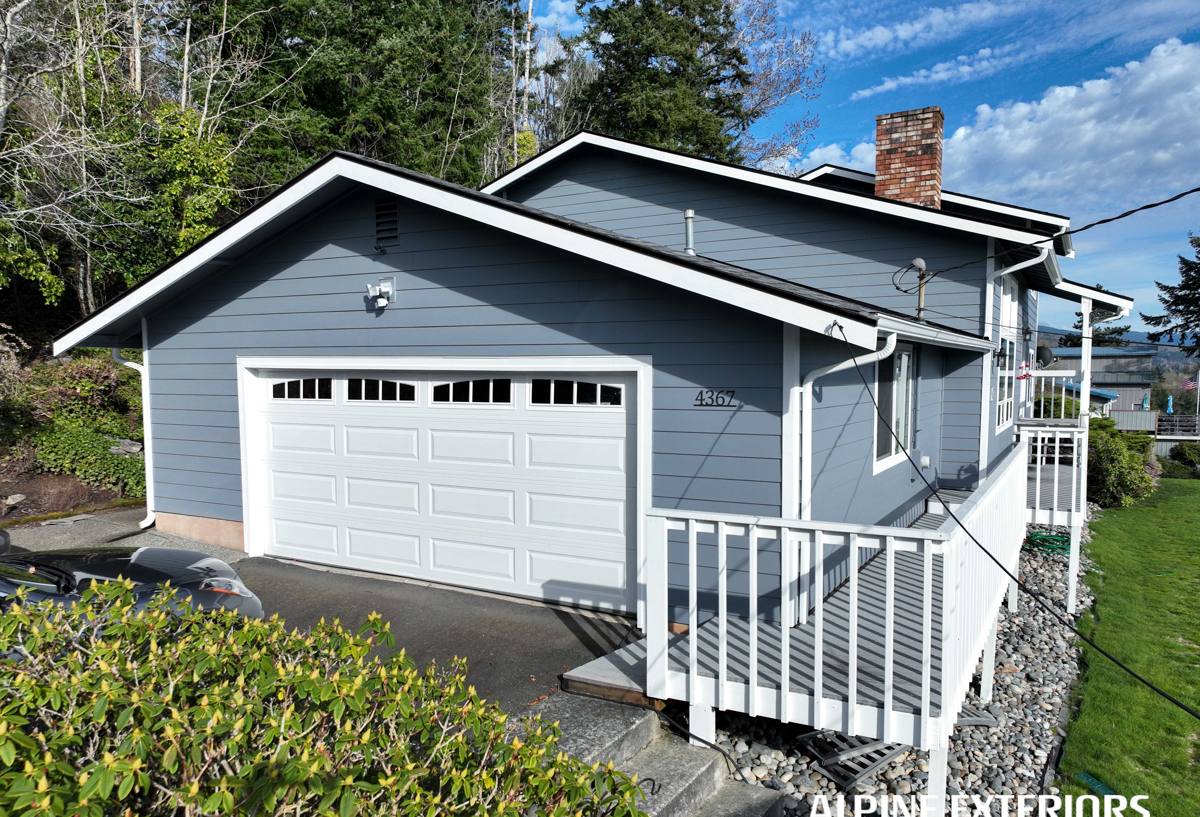
What Silver Beach's Climate Does to a Deck
Salt Air and Moisture
Homes in and around Chuckanut sit close enough to the water that airborne moisture and salt carry further inland than most people expect. That moisture settles into wood grain, works into fastener heads, and accelerates corrosion on any hardware that isn't rated for coastal exposure. Over time, standard-grade screws and nails can start to weep rust into the surrounding wood long before the structure itself is actually failing.
Driving Rain
Whatcom County rain doesn't always fall straight down. Wind off the water pushes it sideways and up under railings, fascia boards, and ledger connections — the exact spots where builders who aren't used to this exposure tend to under-flash. Water that gets behind a ledger board or up under a rail cap has nowhere to dry out quickly, which is where rot gets started.
Moss and Organic Growth
A long, damp moss season means anything horizontal — deck boards, stair treads, the tops of rail caps — stays wet longer between rain events. Moss and algae hold moisture against the wood surface, and on smooth-grain or poorly ventilated decking that moisture doesn't evaporate off the way it would on a dry summer day. The result is a walking surface that gets slick and a board that stays damp far longer than it should.
What a Deck Built for This Neighborhood Needs
| Deck Element | Why It Matters Here |
|---|---|
| Ledger flashing | Prevents wind-driven rain from tracking behind the ledger board into the house rim joist |
| Corrosion-resistant fasteners | Standard hardware can corrode faster near salt air, leading to staining and premature loosening |
| Board spacing and airflow | Wider joint gaps and proper under-deck ventilation let boards dry between rain events instead of staying saturated |
| Footing depth and drainage | Correct footing depth and gravel drainage keep posts from sitting in standing water through the wet months |
| Surface texture | Grooved, brushed, or textured surfaces resist the slick moss film that builds on smooth boards |
Framing and Structure: Where Most Problems Actually Start
Nearly every deck failure we get called out to inspect in this area traces back to the framing, not the decking boards on top. The visible surface is what homeowners notice first, but the ledger connection, the joist hangers, and the post footings are what determine whether a deck lasts fifteen years or forty.
The Ledger Connection
This is the single most important — and most commonly under-built — part of any deck attached to a house. It needs proper flashing that sheds water outward and down, not just a bead of caulk behind the board. Caulk alone fails within a few seasons in this climate; flashing is a physical water barrier that doesn't depend on adhesive staying intact.
Joist Hangers and Fasteners
We use hardware rated for the exposure the deck will actually see, not the minimum the lumber yard has in stock. In an area with this much moisture in the air, the cost difference between standard and corrosion-resistant hardware is small compared to the cost of replacing joist hangers that have rusted through in eight years instead of twenty-five.
Posts and Footings
Footings need to sit below the frost line and be set with drainage in mind so posts aren't standing in saturated soil all winter. A post base that keeps the wood off the concrete and off standing water adds years to the life of the structural posts.
Decking Material: Honest Trade-Offs for This Climate
There's no single "best" decking material for every home — the right choice depends on budget, maintenance appetite, and how much direct weather exposure the deck gets. Here's how the common options actually perform under Silver Beach conditions.
| Material | Moisture Behavior | Maintenance | Notes for This Area |
|---|---|---|---|
| Pressure-treated wood | Absorbs and releases moisture; needs sealing to manage swelling | Annual cleaning and periodic re-sealing | Budget-friendly but needs consistent upkeep to resist moss and rot in a damp climate |
| Cedar | Naturally moisture-resistant, but still an organic material | Regular cleaning, periodic oil or stain | Good appearance and workability; still needs seasonal attention here |
| Composite | Doesn't absorb water or rot, but surface can still grow moss/algae | Occasional washing, no sealing required | Low upkeep for rot, but still needs cleaning to stay slip-safe in moss season |
We don't push one material as automatically "best" — we walk through how much maintenance a homeowner actually wants to do each year, because that answer changes the right recommendation more than the material's spec sheet does.
Our Process for a Silver Beach Deck Project
- On-site assessment: We look at sun and wind exposure, drainage patterns around the foundation, and how the site handles rain runoff before we design anything.
- Design and material selection: We walk through material trade-offs honestly, based on your maintenance preferences and budget, not a default upsell.
- Permitting: Deck work typically requires a permit through the applicable jurisdiction; we handle that process as part of the job.
- Framing built for exposure: Ledger flashing, corrosion-resistant hardware, and footings set for local drainage conditions — not generic minimums.
- Decking installation: Proper spacing and fastening for the chosen material, accounting for expansion and drainage.
- Final walkthrough: We review the completed deck with you, including basic maintenance expectations for the material you chose.
Repair, Replace, or Rebuild?
Not every deck in Silver Beach needs to be torn out. When we're called out to look at an aging deck, we're checking a few specific things to decide what actually makes sense:
- Soft or spongy spots underfoot, especially near the ledger or stair stringers
- Rust streaking around fastener heads or hardware
- Gaps or separation where the ledger meets the house
- Persistent moss or dark staining that doesn't clear after cleaning
- Wobble or movement in railings or posts
- Visible rot or discoloration at post bases near ground contact
Sometimes the surface boards are worn but the framing underneath is sound — that's a straightforward re-decking job. Other times the framing itself has been compromised by years of moisture intrusion, and a full rebuild is the honest recommendation even if it's not what a homeowner was hoping to hear.
Why Local Experience in This Specific Area Matters
A contractor who mostly builds decks in drier inland areas of Whatcom County will bring different default assumptions than one who works Chuckanut and Silver Beach regularly. The difference shows up in small decisions — how much flashing is enough, which fastener grade is worth the extra cost, how wide the board gaps need to be — that don't get corrected until the deck is a few years old and problems start showing. A crew that already builds in this neighborhood has already seen which shortcuts don't hold up here and builds accordingly the first time.
We also know the practical side of working this area: typical site access, drainage patterns common to the neighborhood, and the permitting expectations that apply locally. That familiarity generally means fewer surprises mid-project and a design that's already accounting for the conditions the deck will actually face.
Maintenance That Actually Extends the Life of Your Deck
Whatever material you choose, a few habits make a real difference in a climate like this:
- Clean moss and organic debris off the surface at least once before winter and once in early spring
- Keep gutters and downspouts clear so runoff isn't draining directly onto or under the deck
- Check fastener heads periodically for early rust staining, which is easier to address early than after it spreads
- Reseal wood decking on the manufacturer's recommended schedule rather than waiting until it looks dry and gray
- Trim back vegetation that shades the deck surface and keeps it damp longer between rain events
None of this is complicated, but skipping it in a climate this damp is exactly how a well-built deck starts developing the problems described earlier — years sooner than it should.
If you're planning a new deck or dealing with an aging one in Silver Beach, we're happy to take a look and give you an honest read on what it needs. Fill out the form below for a free, no-pressure estimate.