 Chuckanut Exterior
 Why Edison Homes Ask More of Their Windows
Edison sits close enough to the water and the tidal flats that salt air is part of daily life, not an occasional visitor. Add Whatcom County's driving rain — the kind that comes in sideways off a southwest wind rather than falling straight down — and a long, damp moss season that can stretch from fall through spring, and you have a climate that finds every weakness in a window within a few years instead of a few decades. Standard off-the-shelf windows, especially ones sized for a builder-grade opening rather than the actual house, are usually the first place that shows up: swollen sashes, fogged glass, soft trim, or a draft you can feel standing three feet away on a windy night.
Custom windows for this area aren't a luxury upsell. They're what it actually takes to get a window that fits the opening correctly, seals against wind-driven rain, and uses materials that hold up to salt-laden air without babying them constantly. This page covers what that looks like specifically for Edison-area homes.
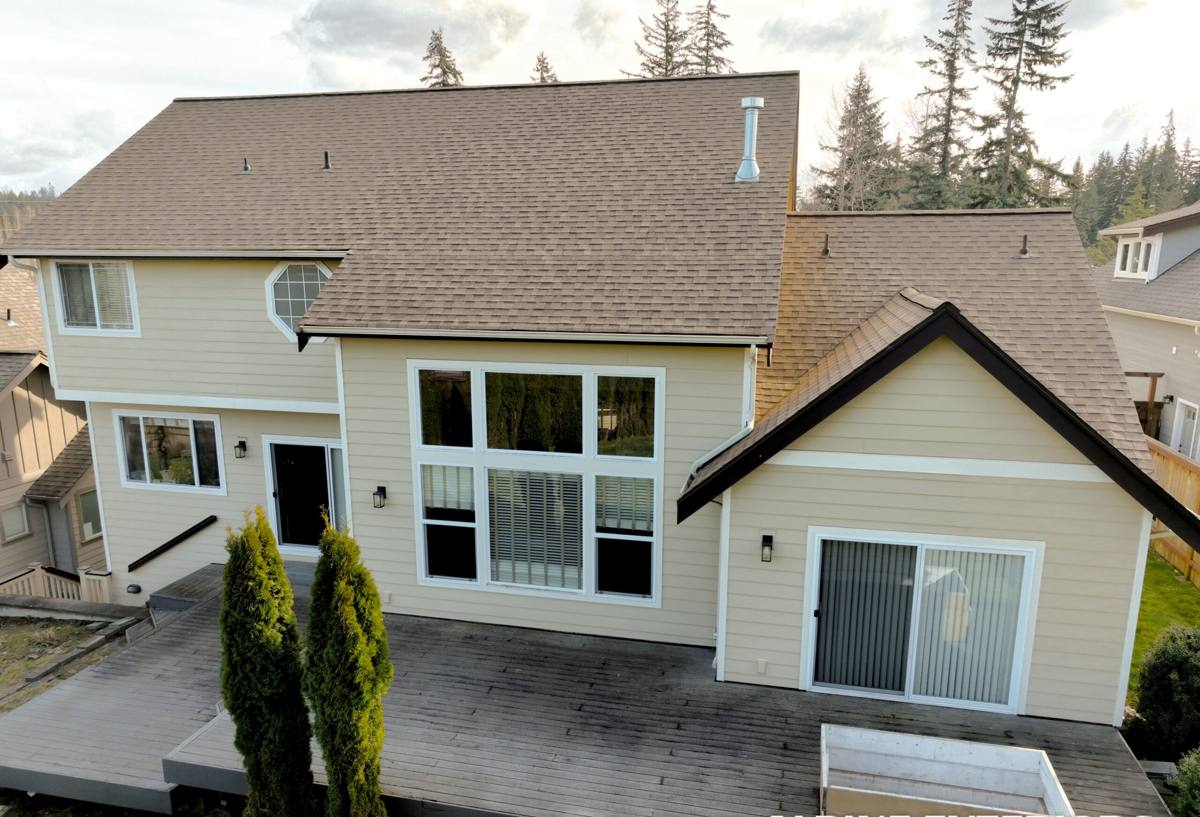
What "Custom" Means for a Window Job Here
Custom doesn't just mean an unusual shape or a designer look. In practice, for older Whatcom County homes and the mix of farmhouses, cabins, and newer builds around Edison, custom windows most often solve one of these problems:
- An opening that's slightly out of square from decades of settling — common in older wood-frame homes near the flats
- A non-standard size that a stock window simply doesn't come in, without cutting into structural framing to force a fit
- A need to match sightlines and grid patterns across a whole facade so replacement windows don't look mismatched next to the originals
- Upgraded glazing or frame material specifically to handle salt exposure and wind-driven rain, which stock builder packages usually aren't specified for
A correctly custom-built window is measured to the actual opening — not the nominal size on a spec sheet — and built or ordered to match it, so the installation crew isn't shimming, packing, or trimming their way around a bad fit.
Material and Glazing Choices That Actually Hold Up
Frame material
Salt air is corrosive to some materials faster than others, and the right choice depends on the exposure of the specific wall. We walk through the trade-offs honestly rather than pushing one product line for every job.
| Frame material | How it handles salt air & rain | Maintenance | Where it fits best |
|---|---|---|---|
| Vinyl | Won't corrode or rust; performs well in coastal humidity | Low — occasional cleaning | Most Edison homes, budget-conscious full-house replacements |
| Fiberglass | Very stable in temperature and moisture swings; strong seal retention over time | Low | Homes wanting a longer service life or larger custom openings |
| Wood-clad | Good insulation and appearance, but the wood core is the weak point if the cladding seal ever fails near salt spray | Moderate — cladding joints and sills need periodic inspection | Historic-style homes where appearance matters most, away from direct salt exposure |
| Aluminum | Prone to pitting and corrosion faster than the alternatives above in a salt-air environment | Higher — needs more frequent attention near the coast | Generally not what we recommend for Edison's exposure; we'll explain why on a specific home if asked |
Glazing
Dual-pane with a low-E coating is the practical baseline for this area — it cuts heat loss in Whatcom County's cool, wet winters and helps control condensation, which matters when humidity and salt air combine on cold glass. For homes with more direct wind exposure, we'll talk through impact-resistant or laminated glass options where the added cost is justified by the site, rather than recommending it across the board.
Installation Details That Decide Whether It Lasts
Most window failures we see in this climate aren't a bad window — they're a window installed without the flashing and sealing detail that driving rain requires. This is the part of the job that doesn't show up in a sales brochure but matters more than the brand name on the frame.
What a correct installation includes
- Sill pan flashing that directs any water that gets past the exterior seal back outside the wall, not into the framing
- Properly lapped house wrap and flashing tape at the head, jambs, and sill, in the right shingle-style order so water always sheds downward and outward
- Backer rod and exterior-grade sealant sized and tooled correctly at the trim joint — not just a bead of caulk smeared over a gap
- Shimming that supports the frame without twisting it out of square, so the sash operates smoothly for years, not just on install day
- Weep holes and drainage paths left clear, especially important where moss and debris can build up and block them over a wet season
Skip any one of these steps and even a premium window will eventually let water into the wall cavity — which shows up later as soft trim, stained drywall, or mold, usually well after the installer is gone.
Our Process for an Edison Window Project
1. On-site assessment and measurement
We measure every opening individually rather than assuming they match. On older homes we also check for square, rot in the existing sill or framing, and how the current flashing (if any) is handled, since that affects what the new installation needs to account for.
2. Material and glazing selection
Based on the wall's exposure — direct wind and salt spray versus a more sheltered elevation — we walk through frame material and glazing options and give a straightforward recommendation, not a menu of upsells.
3. Custom fabrication or special order
Once sizes and specs are confirmed, windows are built or ordered to the actual opening dimensions. This step is why custom work takes longer than a same-day big-box swap, and it's the step that prevents a forced, leak-prone fit.
4. Removal and flashing correction
We don't just pull the old window and drop in the new one. Old flashing and sealant that's failed gets removed and corrected, and any framing damage we find gets addressed before the new window goes in — not covered over.
5. Installation and sealing
Installed plumb, level, and square, with sill pan flashing, properly lapped house wrap, correct shimming, and exterior-grade sealant at every joint.
6. Final check and walkthrough
We test operation, check the seal by eye and by feel, and walk the exterior trim with you before calling the job done.
Signs Your Current Windows Are Already Losing to This Climate
If you're not sure whether it's time to replace or just repair, these are the signs we see most often on Edison-area homes:
- Fogging or moisture trapped between panes — the seal has failed and the glass unit can't be repaired, only replaced
- Visible moss or dark staining collecting at the sill or bottom corners of the frame
- Wood trim that's gone soft, spongy, or is visibly separating from the wall
- A draft you can feel at the frame edge, especially during a southwest windstorm
- Sashes that stick, won't stay open, or are noticeably harder to operate than they used to be
- Paint or finish that's bubbling or peeling specifically around the window opening, which usually points to moisture behind it
Any one of these on its own might just need a repair or a re-seal. Several at once, especially on the same wall, usually means water has been getting behind the trim for a while and a proper replacement is the more honest fix.
Living with Custom Windows in a Salt-and-Moss Climate
Even a well-installed window benefits from a little seasonal attention here. Rinse salt residue off frames and glass periodically, especially on walls facing open water or prevailing wind. Keep weep holes and drainage tracks clear of moss, leaves, and debris going into the wet months, since a blocked weep hole defeats the drainage the installation was built around. Check exterior caulk lines once a year for cracking or separation — a small gap caught early is a five-minute fix, not a wall repair. None of this is high-maintenance by the standards of this climate; it's the same kind of upkeep any exterior surface needs out here, just applied to the windows specifically.
Why Local, Chuckanut-Area Experience Matters for This Job
A window installer who mostly works drier inland areas can still do competent work, but they're not necessarily thinking about sill pan flashing, salt exposure, or weep-hole drainage as a default — because their usual jobs don't punish those shortcuts the way this coastline does. We work this specific stretch of Whatcom County regularly, which means the flashing details, material recommendations, and maintenance advice above aren't generic — they're based on what actually fails on homes near Chuckanut and Edison, and what holds up.
If you're weighing a window replacement or want a second opinion on windows that are already showing wear, we're glad to walk the house with you and give a straightforward assessment. Estimates are free and there's no pressure — use the form below to get started.