 Chuckanut Exterior
 Windows Built for Alger's Coastal Exposure
Alger sits close enough to the water and the tree line that its homes take a different kind of weather beating than houses further inland. Salt-laden air moves in off the water, driving rain comes in sideways during winter storms, and the long, wet moss season coats anything that holds moisture. Windows are one of the first places that shows up. Old aluminum frames pit and corrode. Wood sashes swell, stick, and eventually rot at the corners. Single-pane or early double-pane glass fogs between the panes once the seal fails, and by then the insulating value is mostly gone anyway. If your windows are original to the house or pushing 20-plus years, they're likely costing you more in heat loss and repair than a properly installed replacement would.
Energy-efficient windows aren't just about a lower power bill, though that matters here with Whatcom County's long heating season. The bigger issue for Alger homes is moisture control. A window that's correctly flashed, sealed, and glazed keeps wind-driven rain out of the wall cavity, resists condensation on the interior glass during cold snaps, and doesn't give moss and mildew a foothold on the frame. Get the product and the install right, and you're solving a weather problem, not just a comfort problem.
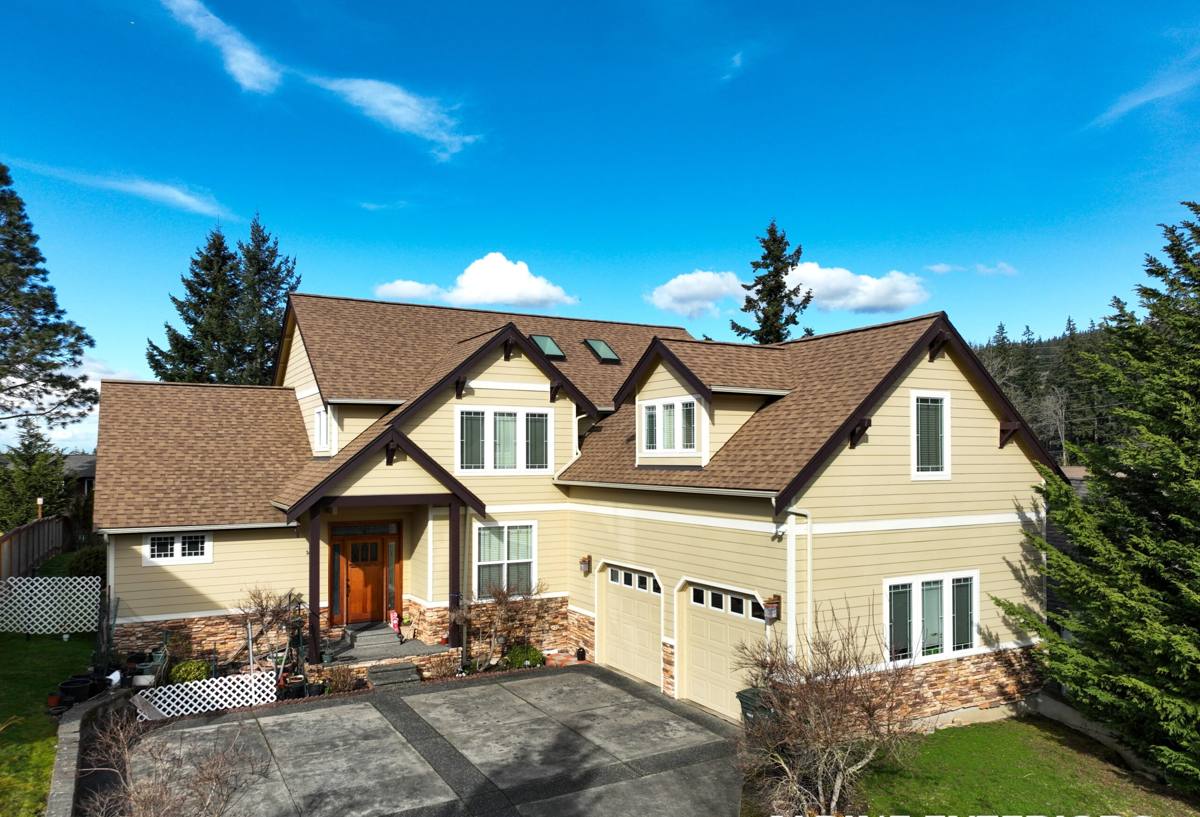
What "Correct" Actually Means for This Climate
A lot of window jobs look fine for the first year or two and then start failing at the details — usually because the installer treated it as a swap-out rather than a full weatherproofing job. For Alger and the broader Chuckanut area, we pay close attention to a few things that matter more here than they would in a drier climate:
Frame Material and Corrosion Resistance
Salt air accelerates corrosion on anything with exposed metal hardware or fasteners. Vinyl and fiberglass frames hold up well because they don't corrode, and quality fiberglass in particular resists the expansion and contraction that comes with our temperature swings. Where wood windows are wanted for a period-correct look, we make sure the exterior cladding and finish schedule can actually stand up to the moisture load — bare or poorly finished wood exposed to this climate will rot at the sill and corners faster than homeowners expect.
Glazing and Seal Quality
Dual-pane, low-E glass with an argon or krypton fill is the baseline for anything we install. The seal between the panes is what fails first on older or cheaper units — once it goes, you get fogging, reduced R-value, and no way to fix it short of replacing the sash or unit. We look at manufacturer seal warranties closely for exactly this reason.
Flashing and Water Management
This is the step that gets skipped most often on rushed jobs, and it's the one that matters most in driving rain. Proper window flashing — sill pan, side flashing that laps correctly, and head flashing tied into the house wrap or building paper — directs water back out of the wall instead of behind the siding. A window can have excellent glass and still leak if the flashing detail is wrong.
Signs an Alger Home Needs New Windows
- Visible condensation or fogging between the panes (failed seal — not repairable)
- Frames that are soft, discolored, or show corrosion around hardware and fasteners
- Drafts you can feel near the frame even with the window latched shut
- Difficulty opening, closing, or locking — often swelling from moisture intrusion
- Moss or dark staining building up on the sill or lower frame
- Noticeably colder rooms near windows during winter, or higher heating bills than neighbors with newer windows
- Peeling paint or bubbling drywall/trim near the window opening — a sign water is already getting past the frame
How We Approach the Job
1. On-Site Assessment
We look at each window individually — not every unit on a house is in the same condition, and not every window needs full-frame replacement. Some can be handled with a pocket/insert replacement if the existing frame is sound; others, especially where there's rot or water damage, need a full-frame tear-out so we can properly inspect and repair the sheathing and flashing underneath before the new window goes in.
2. Product Selection
We walk through frame material, glazing package, and grille or hardware style based on the house and your budget — not a one-size push toward whatever's easiest to install. For a coastal-exposed home in the Alger area, we'll usually steer you toward vinyl or fiberglass with a strong seal warranty unless there's a specific reason to go another direction.
3. Removal and Inspection
Once the old window comes out, we check the rough opening for rot, water staining, or compromised sheathing. This is often where a window job turns up an issue that's been hiding behind the trim for years — better to find and fix it now than seal a new window over a wet wall cavity.
4. Flashing and Weatherproofing
Sill pan, flashing tape, and integration with the existing water-resistive barrier, done in the correct shingle-lap order so water sheds outward at every layer.
5. Installation and Sealing
Window set level, plumb, and square; shimmed correctly so it operates smoothly for years, not just on day one; insulated around the frame; sealed with an appropriate exterior sealant rated for our wet climate.
6. Interior and Exterior Finish
Trim, caulking, and touch-up so the finished job looks intentional, not patched.
Cost Factors Worth Understanding
Window replacement pricing varies a lot based on the scope of each opening, so we don't quote broad per-window numbers without seeing the house. What we can tell you is what tends to move the price up or down:
| Factor | Effect on Cost |
|---|---|
| Insert/pocket replacement vs. full-frame tear-out | Full-frame costs more but is necessary where there's rot, water damage, or a frame size change |
| Frame material (vinyl, fiberglass, wood-clad) | Vinyl is typically the most budget-friendly; fiberglass and wood-clad cost more upfront but offer different durability and appearance trade-offs |
| Glazing package (standard low-E vs. upgraded gas fill/coatings) | Higher-performance glass adds cost but pays back in comfort and energy use over time |
| Hidden sheathing or framing repair | Only discovered once the old window is out — can add cost but is not optional to skip |
| Number of windows done at once | Bundling multiple windows in one project usually reduces per-window labor cost |
| Custom sizes or shapes | Non-standard openings cost more than stock sizes |
We give straightforward, itemized estimates so you can see what you're paying for and where — no surprise line items after the work starts.
Why Local Experience Matters Here
Alger doesn't have the wind exposure of an open coastline, but it's close enough to the water and low-lying enough that the same moisture patterns apply — salt-influenced air, extended damp seasons, and rain that comes in at an angle more often than it falls straight down. A crew that mostly works drier inland markets can still do a competent window swap, but they're less likely to catch the flashing and moisture details that make the difference between a window that lasts 20-plus years here and one that starts leaking in five.
We work throughout Chuckanut and the surrounding Whatcom County communities, so we've seen how houses in this specific area age — where moss tends to build up, which orientations take the worst of the driving rain, and what kind of wear shows up first on homes with this level of coastal exposure. That's not something you get from a general contractor bulletin; it's from doing the work here repeatedly.
Maintaining New Windows in This Climate
- Rinse salt residue and grime off frames and glass a couple of times a year, especially after storms
- Keep weep holes clear of debris and moss so water can drain out of the frame properly
- Inspect exterior caulking annually and re-seal any cracked or shrunk sections before winter rains set in
- Trim back vegetation and clear gutters near windows so moisture and debris don't sit against the frame
- Operate hardware (locks, cranks, hinges) periodically even on windows you rarely open, to keep mechanisms from seizing
None of this is complicated, but skipping it is how a good window installation loses years off its service life. A few minutes of upkeep goes a long way against what this climate throws at a house.
What to Ask Before Hiring Anyone
Whoever you hire, make sure they can answer these clearly:
- Will they do a full-frame replacement if the opening has rot or water damage, or only insert replacements regardless of condition?
- What's their flashing and water-management detail, specifically — not just "we seal it"?
- What's the manufacturer's seal and frame warranty, and what's covered on labor?
- Will they show you what they find once the old window is removed, before closing the wall back up?
- Do they have experience with homes in this specific area and its weather exposure?
If you're seeing drafts, fogged glass, or moss buildup on your window frames, it's worth having someone take a look before another wet season adds to the damage. We offer free, no-pressure estimates for Alger and the surrounding Chuckanut area — walk the house with us, get a straight assessment of which windows need attention now versus later, and a clear, itemized quote with no obligation. The form below will get you started.