 Chuckanut Exterior
 Siding Replacement Built for the Mount Vernon Climate
Homes in the Mount Vernon area take a beating that most siding products were never designed for. Salt-laden air moves in off the water, driving rain comes sideways for months at a stretch, and shaded north-facing walls hold onto moss and moisture long after the rest of the neighborhood has dried out. If you're looking into siding replacement, the product and the installation both matter more here than they would in a drier inland climate. This page is specifically about doing that job right for Mount Vernon homes — not a generic rundown of siding options.
We work throughout Chuckanut and the surrounding Whatcom County area, and Mount Vernon is one of the neighborhoods where we see the clearest pattern: siding that fails early almost always failed because of moisture management, not because the homeowner picked the "wrong color." Get the water management right and the right material on the wall, and the rest takes care of itself.
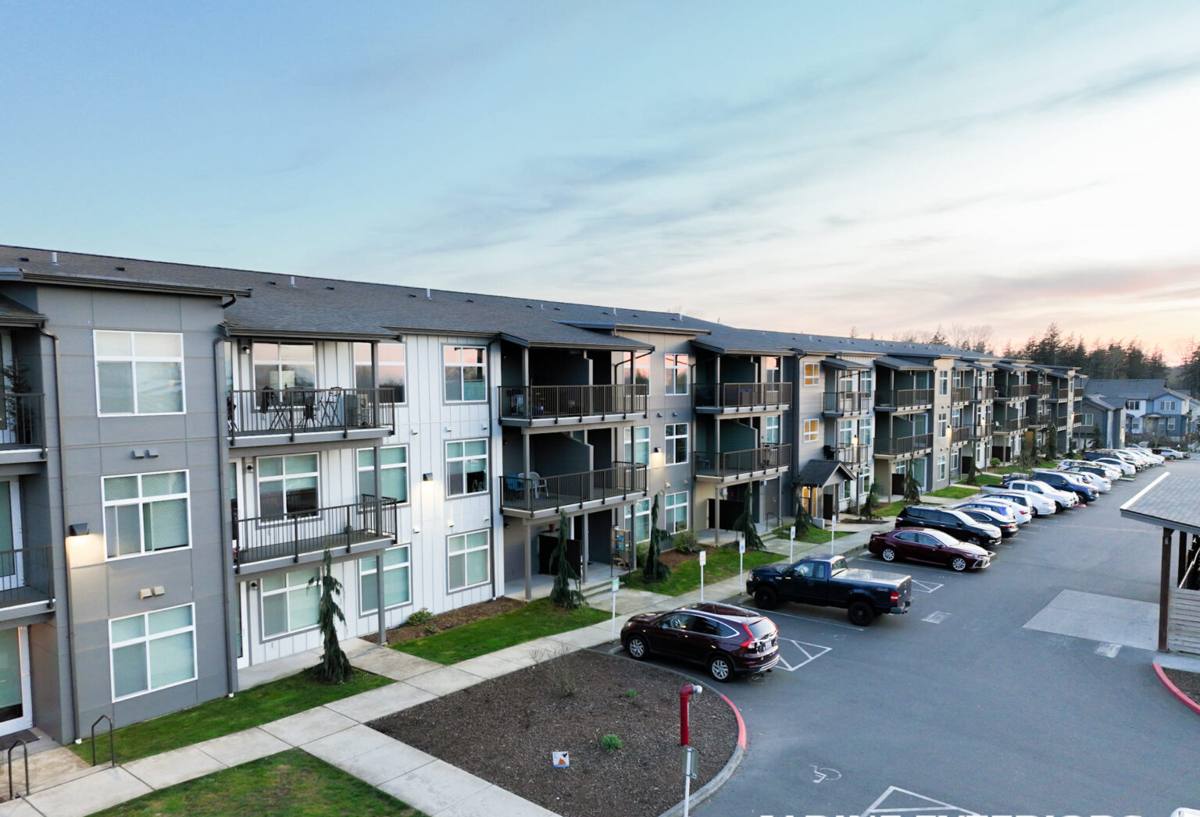
What Salt Air, Rain, and Moss Actually Do to Siding
It's worth understanding the specific stresses at play, because they explain almost every siding decision that follows.
Salt Air
Airborne salt accelerates corrosion on fasteners, flashing, and any exposed metal trim. It also degrades certain paints and coatings faster than manufacturers' standard test data assumes, since most of that data is generated in drier, inland test environments. Siding and trim near the water need finishes and fasteners rated for it — not just "exterior grade."
Driving Rain
Wind-driven rain doesn't just hit a wall, it gets pushed sideways and upward into laps, seams, and butt joints. A siding system that relies on caulk or paint film alone to keep water out will eventually let moisture behind the cladding. The house wrap, flashing details, and drainage plane behind the siding matter as much as the siding itself.
Moss and Prolonged Dampness
Shaded walls, especially those facing north or tucked under overhangs and mature trees, stay damp far longer after a storm than sun-exposed walls. That prolonged dampness is what feeds moss and mildew growth on siding surfaces, and it's what causes wood-based products to swell, soften, or delaminate over years of cycling wet and dry.
None of this is unique to any one street or subdivision — it's the general coastal Pacific Northwest pattern that shows up across Mount Vernon and the wider Chuckanut area. A siding replacement plan needs to be built around it, not around a national-average climate assumption.
Signs a Mount Vernon Home Needs Siding Replacement
Some warning signs are obvious. Others get missed until they've turned into rot or interior damage. Walk the exterior of your home and check for these:
- Soft or spongy spots when you press on the siding, especially near the bottom courses and around window trim
- Persistent moss or dark streaking that comes back within weeks of cleaning
- Peeling, bubbling, or chalking paint that returns faster than a normal repaint cycle
- Visible gaps, cupping, or warping in individual boards or panels
- Cracked or missing caulk at butt joints, corners, and trim intersections
- Rust streaking below nail heads or metal flashing
- Rising interior energy bills or drafts that suggest the wall assembly is no longer sealing properly
- Visible daylight or staining in the attic or crawlspace near exterior walls
Any one of these can be a minor fix. Several together, especially on the same wall, usually means the underlying moisture barrier has failed and full replacement is the more honest recommendation than another round of patching.
Why We Install Only James Hardie Fiber Cement
We don't install vinyl, LP SmartSide, primed spruce, cedar, or comparable fiber cement alternatives like Cemplank or Allura. That's a deliberate standard, not a sales pitch. In a climate with this much salt air, wind-driven rain, and sustained dampness, we've made non-combustible, factory-finished James Hardie fiber cement our baseline because it holds its shape and finish under exactly these conditions when it's installed to spec. It doesn't absorb water the way wood-based products can, its ColorPlus factory finish is engineered to hold color and resist the coastal weathering that breaks down field-applied paint faster, and Hardie's HZ product lines are specifically climate-engineered for regions like ours. The warranty is also transferable, which matters if you plan to sell the home down the road.
That doesn't mean other products are without merit — vinyl is inexpensive, wood has a traditional look many homeowners want. But for a Mount Vernon home exposed to salt air and prolonged moisture cycling, we'd rather tell you honestly why we standardized on Hardie than sell you something we don't believe will hold up here.
What a Correct Siding Replacement Job Involves
Tear-Off and Wall Inspection
Replacement starts with full removal of the old siding, not installation over top of it. This is the only point in the project where the sheathing, framing, and existing moisture barrier are fully visible. We inspect for rot, soft sheathing, and prior water intrusion before anything new goes up — problems found here are far cheaper to fix now than after the wall is closed back up.
Moisture Barrier and Flashing
A new weather-resistive barrier is installed with correct shingle-lap overlap so water sheds downward and outward. Flashing gets installed at every window, door, and penetration, with particular attention to head flashing above openings — this is the single most common failure point we find on homes with early siding failure in this climate.
Installation to Manufacturer Spec
Fastener spacing, butt joint treatment, clearance from grade and roof lines, and caulking at trim intersections all follow James Hardie's published installation requirements. Deviating from spec is the fastest way to void a manufacturer warranty and the fastest way to end up with premature failures — it's also, unfortunately, common with crews that don't install Hardie regularly enough to know the details cold.
Trim and Finish Details
Corner boards, fascia, and trim are finished and sealed to shed water away from seams rather than trapping it. Any exposed fasteners or metal components are chosen with the local salt-air exposure in mind.
Our Process, Start to Finish
- On-site assessment — we walk the exterior with you, check problem areas, and look at siding, trim, and flashing condition together rather than in isolation
- Written estimate — scope, product line, and cost broken out clearly, with no vague allowances
- Scheduling — timed around the wetter months when possible, since tear-off exposes the wall and we don't want it open longer than necessary
- Tear-off and inspection — old siding removed, sheathing checked, any rot addressed before covering it back up
- Barrier, flashing, and installation — done to spec, not shortcuts
- Final walkthrough — we go over the finished work with you before calling the job complete
Cost Factors for Mount Vernon Siding Replacement
Every home is different, but the same handful of variables drive most of the cost difference between one siding replacement project and another. This is meant to help you understand what you're pricing, not to quote an exact number.
| Factor | Why It Matters Here |
|---|---|
| Extent of existing wall damage | Rot or soft sheathing found during tear-off adds repair scope before new siding can go on |
| Home size and wall complexity | More corners, dormers, and trim details mean more flashing and cutting labor |
| Siding profile and finish | Lap width, texture, and ColorPlus finish selection affect material cost |
| Trim and accessory scope | Full trim replacement alongside siding costs more upfront but avoids mismatched old trim against new siding |
| Access and site conditions | Tight lot lines, landscaping, or multi-story walls affect staging and labor time |
| Exposure severity | Walls facing prevailing wind-driven rain or heavy shade may warrant upgraded flashing detail |
Why a Crew That Already Works Mount Vernon Matters
Siding installation instructions are the same on paper everywhere. What changes is judgment: how much flashing overlap is enough when rain regularly comes in sideways, which walls in this specific climate need extra drainage attention, and how fastener and trim choices hold up against salt air over years, not just through the first inspection. A crew that installs Hardie regularly in this region has already made those calls, seen which details actually matter here, and adjusted accordingly. That's the difference between a siding job that looks right on installation day and one that still looks right after five winters of Whatcom County weather.
It also matters for warranty protection. James Hardie's transferable warranty depends on correct installation — an installer unfamiliar with the manufacturer's requirements, or one working outside their usual climate, is more likely to miss a detail that puts that warranty at risk.
Ready to Talk About Your Siding
If your Mount Vernon home is showing any of the warning signs above, or you're just planning ahead for a project you know is coming, we're happy to take a look and give you an honest read on what your home actually needs. Fill out the form below for a free, no-pressure estimate — no obligation, just a straight answer about your siding.