 Chuckanut Exterior
 New Roofs Built for Sehome's Weather, Not Just Any Weather
Sehome homes sit in one of the more demanding roofing environments in Whatcom County. Salt-laden air off the water, long stretches of driving rain, and a moss season that can run most of the year all put steady stress on a roof system. A new roof installation here isn't just about swapping old shingles for new ones — it's about building an assembly that's matched to this specific climate, from the underlayment up. That's the standard we hold every Sehome installation to.
This page covers what a correct new roof installation looks like for a Sehome home: what the climate does to a roof over time, what materials and details actually hold up, how our installation process works step by step, and what to expect in terms of cost and timeline. If you're comparing bids or just trying to understand what you're paying for, this should give you a real answer.
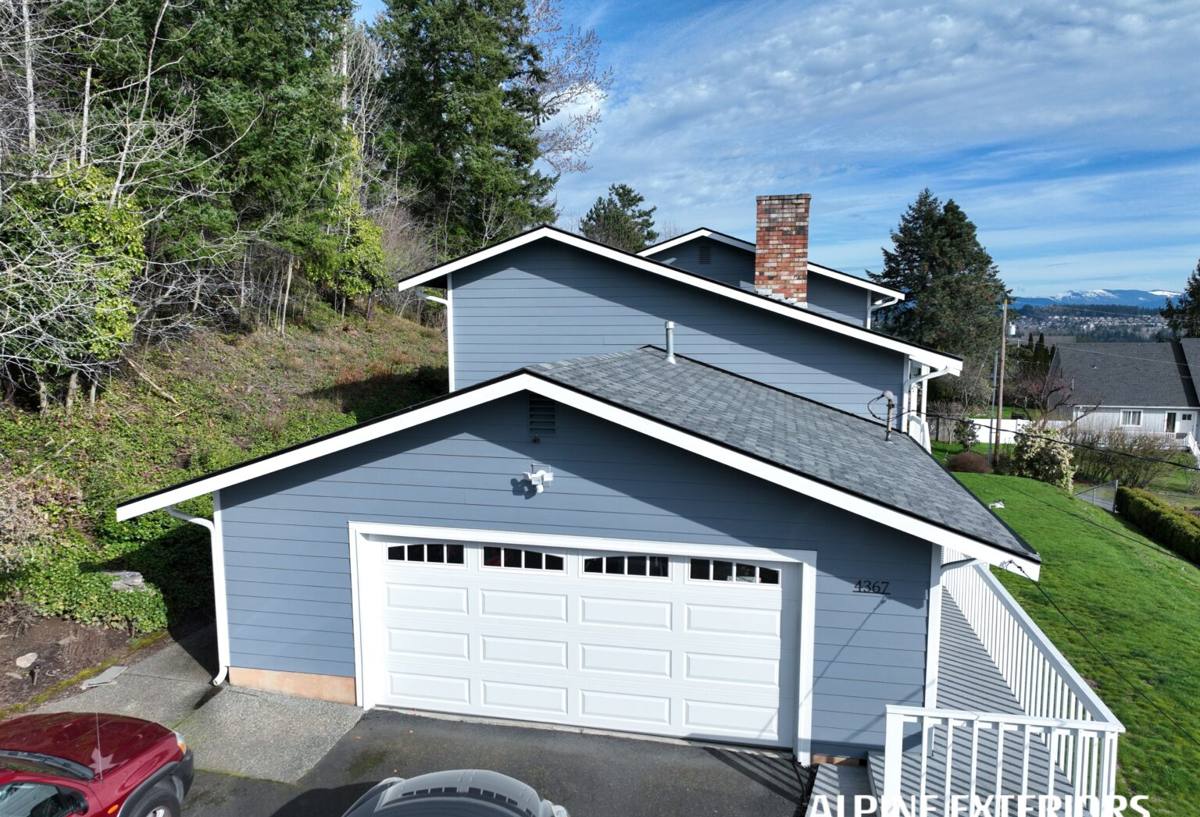
What Sehome's Climate Does to a Roof
Three conditions do most of the damage to roofs in this part of Chuckanut and the greater Whatcom County area, and a good installation plans around all three from day one.
Salt Air
Homes closer to the water deal with airborne salt that settles on roofing surfaces and metal components. Over years, that salt exposure accelerates corrosion on unprotected fasteners, flashing, and vents. It's a slow process, but it's cumulative — a roof installed with standard-grade hardware in a salt-air zone will show wear well before one installed with corrosion-resistant materials.
Driving Rain
This region doesn't just get rain — it gets rain pushed sideways by wind, which finds every weak point in a roof system that a straight-down rain never would. Wind-driven rain works its way under shingle tabs, around poorly sealed penetrations, and into any flashing detail that was installed to a minimum standard instead of a real one. Roofs here need underlayment and flashing details that assume the rain is coming in at an angle, because it usually is.
Moss and Sustained Moisture
Cool, damp conditions for much of the year make this excellent growing weather for moss and algae. Moss isn't just cosmetic — it holds moisture against the roofing surface, lifts shingle edges as it grows, and can work its way into seams over time. A roof that isn't detailed for airflow and drainage will grow moss faster and hold water longer than one that is.
None of these three conditions are unusual for this region — they're the baseline. The difference between a roof that lasts its full expected lifespan and one that needs early repairs usually comes down to how well the original installation accounted for them.
Signs a Sehome Roof Needs Replacement, Not Repair
Not every roofing problem calls for a full replacement, but there's a point where patching stops making financial sense. Some signs worth taking seriously:
- Granule loss showing up in gutters or downspouts, especially on a roof over 15-20 years old
- Shingles that are cupping, curling, or cracking across multiple sections of the roof, not just one spot
- Moss growth that returns quickly after cleaning, or has spread across large sections
- Soft spots or sagging visible from the ground or in the attic decking
- Repeated leaks in different locations, rather than one isolated failure point
- Flashing around chimneys, vents, or valleys that's visibly rusted, lifted, or separated
- Daylight visible through the roof deck from inside the attic
If you're seeing two or more of these, it's worth getting an honest assessment before spending money on another round of repairs. Sometimes a repair is the right call. Sometimes it's throwing money at a roof that's past the point of cost-effective patching.
What a Correct New Roof Installation Actually Involves
A new roof is more than the shingles you see. The visible layer is the last thing installed, not the most important part. Here's what's underneath it, and why each layer matters in this climate.
Roof Deck Inspection and Repair
Before anything new goes down, the existing deck gets inspected for rot, soft spots, or water damage — often found once old roofing is stripped away. Installing new roofing over a compromised deck just hides a structural problem under new material. Any damaged decking should be replaced, not covered.
Underlayment
This is the waterproof layer between the deck and the visible roofing, and in a wind-driven rain climate it does more work than people expect. Synthetic underlayment with proper lap and fastening patterns, along with self-adhering ice-and-water membrane in vulnerable areas like valleys, eaves, and around penetrations, is what keeps water out even if wind gets under the shingle tabs.
Flashing
Flashing around chimneys, skylights, vent pipes, and roof valleys is where most leaks actually start — not in the open field of the roof. Correctly formed, properly lapped, corrosion-resistant flashing is non-negotiable in a salt-air environment, and it's one of the details that separates a roof that performs for decades from one that needs attention within a few years.
Ventilation
A roof needs to breathe. Balanced intake and exhaust ventilation keeps the attic space dry and temperature-regulated, which reduces condensation buildup and helps prevent the kind of sustained moisture that feeds moss and algae growth. Ventilation is also directly tied to shingle lifespan — an overheated, poorly ventilated attic can shorten roofing material life significantly.
Fasteners and Hardware
In a salt-air zone, standard fasteners corrode faster than the roofing material around them. Corrosion-resistant nails and hardware cost more up front and are worth it — a roof shouldn't fail at the fastener level while the shingles themselves are still sound.
Roofing Material Options for This Climate
There's no single "best" roofing material for every home — it depends on budget, roof pitch, and how long you want the system to last. Here's an honest comparison of the main options for a Sehome home:
| Material | Typical Lifespan | Moss Resistance | Wind-Driven Rain Performance | Relative Cost |
|---|---|---|---|---|
| Asphalt Composition Shingle | 20-30 years | Moderate (better with algae-resistant granules) | Good with proper underlayment and flashing | Lower |
| Metal (standing seam or panel) | 40-60+ years | High — sheds moisture, little for moss to grip | Excellent when properly installed | Higher |
| Synthetic/Composite Shake | 30-50 years | Moderate to high depending on product | Good with correct installation | Mid to higher |
| Cedar Shake (wood) | 20-30 years with upkeep | Lower — needs regular maintenance in this climate | Moderate — installation-sensitive | Mid to higher |
We'll walk through which option fits your home, your roof's pitch and exposure, and your budget rather than pushing one product across every job. The right material for a low-slope roof tucked under trees is often different from the right material for an exposed, wind-facing roof.
Our Installation Process
Here's what a new roof installation with us actually looks like, start to finish:
- Inspection and estimate. We look at the existing roof, attic ventilation, and any problem areas, and give you a straightforward assessment — repair, replace, or somewhere in between.
- Material selection. We go over options based on your roof's specific exposure, your budget, and what you want the roof to look like, without steering you toward the most expensive option by default.
- Tear-off and deck inspection. Old roofing comes off, and the deck gets checked for damage. Any rotten or compromised decking is replaced before anything new goes down.
- Underlayment and ice-and-water membrane installation. This is the waterproofing layer that does the real work in wind-driven rain, installed to manufacturer spec at eaves, valleys, and penetrations.
- Flashing installation. New, correctly formed flashing goes in at every chimney, vent, skylight, and valley.
- Roofing material installation. Shingles, metal panels, or shakes go on according to manufacturer specifications, with attention to nailing pattern and exposure — details that affect both warranty coverage and wind performance.
- Ventilation check and adjustment. We confirm intake and exhaust ventilation are balanced for the attic space.
- Cleanup and final walkthrough. Job site is cleared of debris and nails, and we walk the finished roof with you.
What Drives the Cost of a New Roof
Every roof is priced individually, but the same handful of factors move the number up or down on most jobs:
| Cost Factor | Why It Matters |
|---|---|
| Roof size and pitch | More square footage and steeper pitches mean more material and more labor time |
| Number of penetrations | Chimneys, skylights, and vent pipes each need their own flashing detail |
| Deck condition | Rotten or damaged decking found during tear-off adds material and labor |
| Material choice | Asphalt, metal, and synthetic materials have different material and installation costs |
| Roof complexity | Valleys, dormers, and multiple roof planes take more time to detail correctly than a simple gable |
| Access | Tree cover, steep lots, or limited staging area can affect labor time |
We won't know your real number until we've actually looked at the roof — anyone quoting a firm price over the phone without seeing the home is guessing. What we can promise is a written estimate that breaks down what you're paying for, not just a bottom-line number.
A Practical Checklist Before You Choose a Roofing Contractor
- Are they licensed and insured to do roofing work in Washington State?
- Do they inspect the roof deck as part of the process, not just replace what's visible?
- Do they detail their approach to flashing and ventilation, or just quote "new roof" as one line item?
- Do they use corrosion-resistant fasteners appropriate for a coastal-influenced climate?
- Will they put the material, warranty terms, and scope of work in writing?
- Do they have experience with homes in this specific area and its weather patterns?
- Are they willing to explain trade-offs between materials honestly, rather than pushing one product?
A roof is one of the largest single investments most homeowners make in their property. It's worth asking these questions before signing anything.
Why Local Sehome Experience Matters
Roofing standards written for a dry inland climate don't automatically hold up here. A crew that regularly works roofs in Sehome and the surrounding Chuckanut area already knows which flashing details fail first in wind-driven rain, which fastener grades hold up against salt air over time, and how much ventilation a typical attic in this area actually needs to stay ahead of moss and moisture. That's not something you get from a general contractor working a roof here for the first time — it comes from doing the work in this specific climate, repeatedly, and paying attention to what actually holds up.
We install roofs built for the conditions this area actually produces — not a generic spec sheet. If you're planning a new roof for a Sehome home, we're glad to come take a look, walk you through your options honestly, and put together a written estimate with no pressure to sign on the spot. Reach out through the form below to get started.