 Chuckanut Exterior
 Sehome's Siding Takes a Different Kind of Beating
Homes in the Sehome area of Chuckanut deal with a specific combination of weather stress that a lot of national "siding repair" articles never mention. You've got salt-laden air drifting in off the water, long stretches of driving rain that hit exterior walls at an angle instead of falling straight down, and a moss season that can run most of the year in a climate this damp. None of these things show up as a single dramatic failure. They show up as slow, cumulative damage — a soft spot behind a downspout, a warped board on the north wall, a patch of siding that's held moisture so long it's started to feed algae and moss growth. By the time a homeowner notices it, the damage has usually been building for a season or two.
That's the core difference between repairing siding in Sehome and repairing siding somewhere dry and inland: here, moisture management isn't optional and it isn't cosmetic. A repair that looks fine but doesn't correctly handle water intrusion, drainage, and airflow behind the siding will fail again — often faster than the original damage took to appear. Understanding that is the starting point for doing this job right.
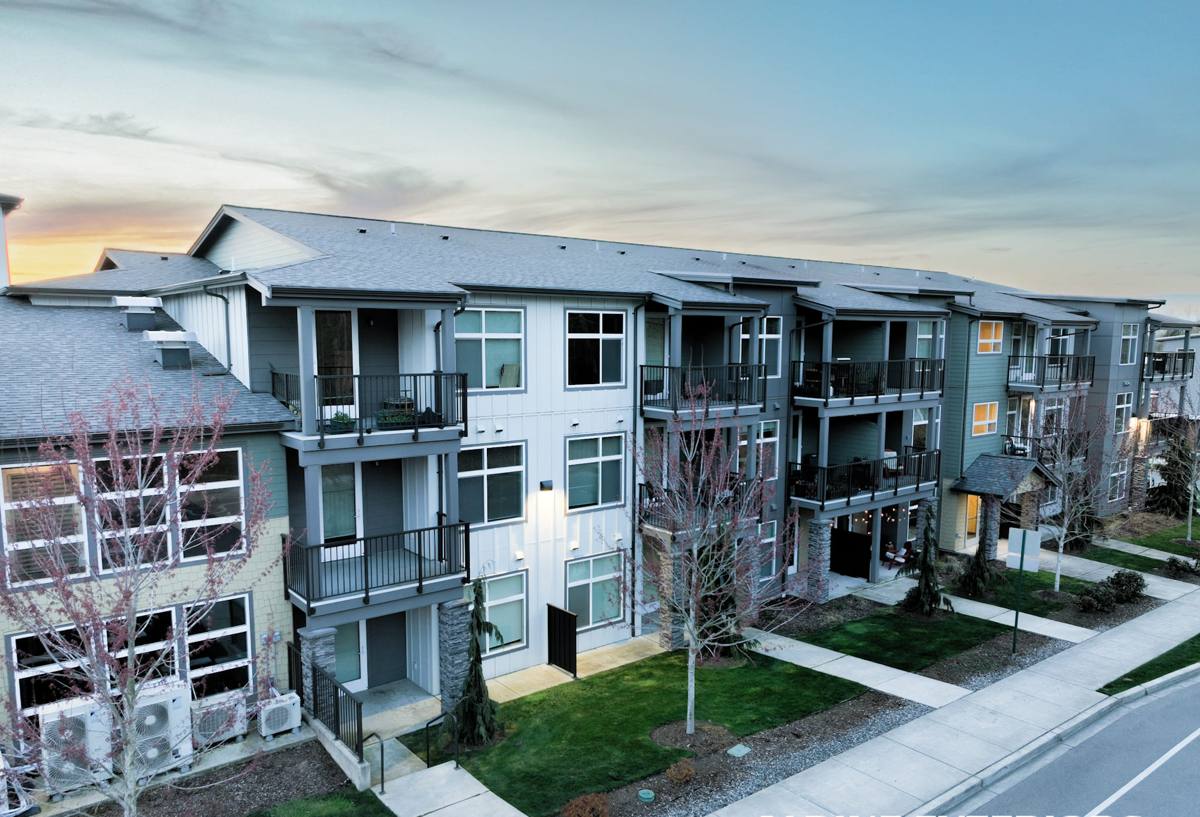
Signs a Sehome Home Actually Needs Siding Repair
Not every mark on your siding means trouble, but in Whatcom County's climate, a few signs are worth acting on before they spread. Here's what we look for during an inspection, and what you can check yourself:
- Soft, spongy, or crumbling siding when pressed near the bottom edge of boards or around windows and doors
- Visible warping, buckling, or boards that no longer sit flush against the wall
- Persistent green or black staining that keeps returning within weeks of cleaning
- Paint or factory finish that's peeling, bubbling, or chalking in one localized area rather than evenly across the whole house
- Gaps opening up at seams, corners, or trim where caulking has shrunk or failed
- Water stains on interior walls or ceilings near an exterior wall — often the first sign of a siding problem that's been hidden for a while
- Damage clustered near downspouts, gutter overflow points, or areas that stay shaded and slow to dry
Moss deserves its own mention. A little surface moss on siding is mostly cosmetic, but moss that's established itself in seams or behind trim is holding constant moisture against the wall assembly, and that's a different problem — it's usually a sign the siding needs attention, not just a cleaning.
What a Correct Siding Repair Actually Involves
Diagnosing the Cause, Not Just the Symptom
A patch that doesn't address why the damage happened will fail again. Before we replace anything, we look at what's driving the problem — a failed flashing detail, a gutter that's overflowing onto the wall below, a gap in the water-resistive barrier, or simply age and sun exposure on one particularly exposed elevation. In a climate with this much wind-driven rain, the "why" almost always traces back to water finding a path it shouldn't have.
Matching Material and Finish
If your home is already sided in James Hardie fiber cement, a repair should use the same product line and, wherever possible, a factory ColorPlus finish that matches your existing color rather than a field-painted patch that will weather differently over time. Mismatched patches are one of the most common complaints we hear about prior repair work — the fix is structurally fine but visually obvious for years afterward.
Protecting What's Behind the Siding
Siding is the visible layer, but the water-resistive barrier and flashing underneath it are what actually keep a wall dry. Any proper repair means pulling back enough siding to inspect and, if needed, repair that barrier — not just screwing a new board over a damaged one and calling it done. Skipping this step is the single biggest reason repairs fail early in a climate like Chuckanut's.
Fastening and Sealing to Spec
James Hardie publishes specific fastening patterns, clearances, and sealant requirements for its products, and following them isn't a formality — it's what the manufacturer's warranty is actually built on. Correct nail placement, proper gaps at butt joints, and the right sealant in the right locations are what separate a repair that lasts from one that reopens the same problem in a year or two.
Repair or Replace? How We Make That Call
Homeowners often assume any visible damage means a full re-side, and just as often assume a small patch will handle a much bigger problem. Neither is usually true. The right call depends on how much of the wall is affected, how old the existing siding is, and what's happening behind it.
| Factor | Favors Repair | Favors Full Replacement |
|---|---|---|
| Extent of damage | Isolated to one or two elevations or a few boards | Spread across multiple walls or the whole exterior |
| Age of existing siding | Under 15-20 years, still structurally sound elsewhere | Near or past expected service life |
| Underlying moisture barrier | Intact where damage occurred | Compromised in multiple areas |
| Color match availability | Product and color still available or a close match is acceptable | Discontinued color or product line |
| Cause of damage | A fixable, isolated issue (flashing, gutter, one impact point) | A systemic issue (original installation defects, whole-house wear) |
We'll walk you through where your home falls on that spectrum honestly. If a repair is the right call, we'll tell you that — and if the damage points to something bigger, we'll explain exactly why before recommending it.
Why We Only Repair With James Hardie Fiber Cement
This company installs and repairs exclusively with James Hardie fiber cement siding. We don't patch with vinyl, LP SmartSide, or other fiber cement brands, even when a homeowner already has one of those products on their home and just wants a quick fix. That's a deliberate standard, not a sales pitch, and it's worth explaining honestly.
Vinyl siding is inexpensive and easy to source, but it's also a material that expands and contracts significantly with temperature swings, can crack in cold snaps, and simply can't take the impact or long-term UV and moisture exposure the way fiber cement can. LP SmartSide and other engineered wood products perform reasonably well when installation is flawless, but they're wood-based, which means they're more sensitive to exactly the kind of sustained moisture exposure Sehome's climate delivers. We'd rather be upfront that we don't install or patch those products than sell a repair we don't believe will hold up here.
James Hardie fiber cement is non-combustible, holds its factory ColorPlus finish far longer than field-applied paint, and is engineered in HZ5 and HZ10 product lines specifically for climates with heavy moisture exposure — which describes Whatcom County well. It also carries a strong, transferable warranty when installed to Hardie's specifications, which matters if you ever sell the home. Repairing with the same system your siding should have been built with in the first place is, in our experience, the only way to guarantee a patch actually blends in and performs the same way the surrounding wall does.
Our Process, Start to Finish
1. Inspection and Honest Assessment
We walk the exterior, identify every area of concern, and explain what we find in plain language — including if we think the damage is minor and doesn't need a costly fix yet.
2. Written Estimate
You get a clear, itemized quote before any work starts. No surprise add-ons once we've opened up a wall unless we find something that genuinely changes the scope, in which case we stop and talk to you first.
3. Careful Removal and Barrier Check
Damaged siding comes off carefully to avoid collateral damage to adjacent boards. We inspect the water-resistive barrier and flashing underneath and repair or replace anything compromised before new siding goes back up.
4. Installation to Manufacturer Spec
New James Hardie material is installed following Hardie's fastening, clearance, and sealing requirements — the same standard we hold for full installations, not a relaxed version for "just a repair."
5. Cleanup and Final Walkthrough
We clear debris, walk the repair with you, and point out anything we noticed nearby that's worth keeping an eye on going forward.
Why a Crew That Already Works in Sehome Matters
Siding repair timing and technique both benefit from familiarity with local conditions. A crew that regularly works Chuckanut and the surrounding Whatcom County area already knows how much lead time weather windows require, how aggressively moss and algae establish themselves on north- and shade-facing walls here, and what kind of wear pattern to expect on homes exposed to salt air versus homes further inland. That's the difference between a generic repair and one that accounts for how your specific home is actually being weathered.
Local familiarity also means fewer surprises with permitting, typical construction styles in the area, and realistic scheduling around the region's wetter months, when repair work needs tighter weather windows to keep new material dry during installation.
Keeping Your Siding From Needing Repair Again
A good repair should buy you years, not months, but a little maintenance on your end extends that further:
- Keep gutters clean and downspouts directed away from the wall so water isn't repeatedly running down or pooling against siding
- Rinse siding periodically, especially on shaded or north-facing walls where moss and algae take hold fastest
- Trim back vegetation and tree limbs that keep a section of wall shaded and slow to dry after rain
- Check caulking at trim, windows, and corners yearly and have it renewed before it fully fails
- Have your siding inspected every couple of years, particularly after a harsh winter, so small issues get caught before they spread
If you're noticing damage, staining, or moss buildup on your Sehome home's siding, we're happy to take a look and give you a straightforward, no-pressure assessment of what's actually going on and what it would take to fix it right. Request a free estimate using the form below.