 Chuckanut Exterior
 Bow Windows Take a Beating in This Climate
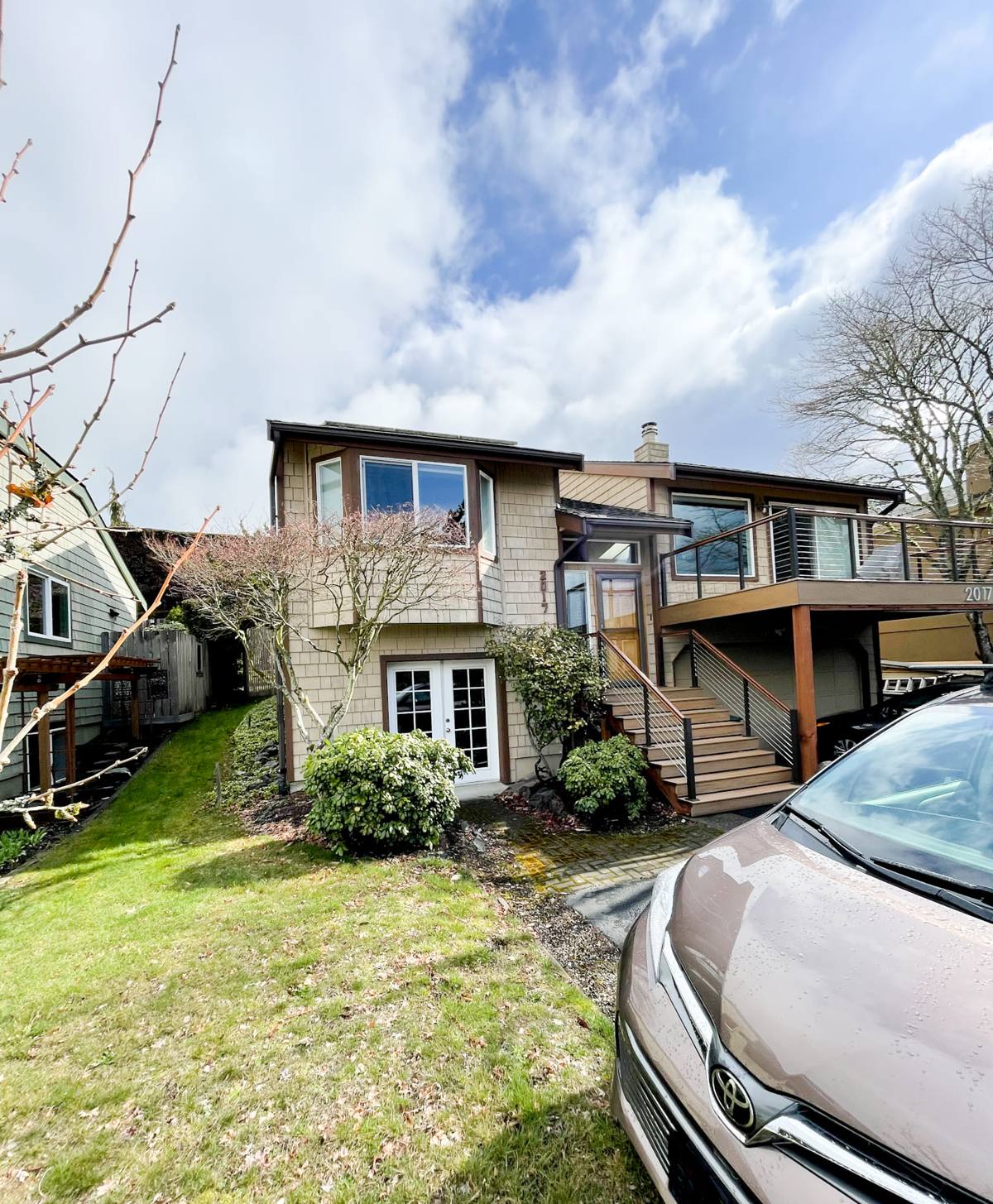
A bow window is one of the more exposed features on a house. It projects out from the wall line, carries its own small roof or cap, and is built from several individual window panels joined at angles to form a gentle curve. That shape is what makes it attractive from the street — and it's also what makes it vulnerable. Every seam between panels, every joint at the roof cap, and every inch of exposed sill is a place where water, salt, and organic growth can get a foothold.
Here in Bow and the broader Chuckanut area, that exposure is constant. Salt-laden air off the water accelerates corrosion on hardware, fasteners, and lower-grade metal components. Driving rain, especially in wind-driven storms off the water, pushes moisture sideways into places a window on a calmer inland lot would never see. And the long, damp moss season means anything horizontal — sills, roof caps, ledges — starts collecting growth if it isn't detailed to shed water and dry out. A bow window replacement in this area has to be built around those three realities, not just swapped in as a like-for-like box.
What Makes Bow Window Replacement Different From a Standard Window Swap
Replacing a single flat window is mostly about the opening itself: pull the old unit, prep the rough opening, set the new one, flash it, trim it out. A bow window is a structure in its own right. It usually has:
- A knee wall or bracket system underneath supporting the projection
- Its own small roof, cricket, or cap that has to shed water away from the house wall
- A seat board or sill assembly that spans multiple panels and needs to stay sealed and sloped correctly
- Several individual sash or picture units joined with mullions, each one a potential leak point if the joinery isn't sealed properly
Because of that, a correct bow window replacement is part window installation and part small carpentry project. Skipping the structural and roofing details and only focusing on the glass units is one of the most common ways these projects fail early — usually showing up as staining, soft wood, or moss growth within a couple of seasons.
Bow vs. Bay — Worth Knowing Before You Call Around
Bow and bay windows get lumped together, but they're built differently. A bay window typically has three panels set at sharper angles (often 30 or 45 degrees), while a bow window uses four to six panels set at shallower angles to form a smoother curve. More panels means more seams, more mullions, and more places for a contractor to get the sealing and structural support wrong. If a crew quotes a bow window the same way they'd quote a bay, that's worth asking about directly.
Signs a Bow Window in Bow Needs Replacing, Not Just Repair
Not every issue means full replacement, but these are the signs that usually point that direction rather than a patch job:
- Soft or discolored wood at the seat board, sill, or roof cap
- Visible moss or algae buildup on the roof cap or sill that keeps coming back after cleaning
- Fogging or moisture between glass panes on one or more of the individual units (failed seal)
- Drafts or cold air noticeable at the mullions between panels
- Visible gaps, cracking, or separation where the bow structure meets the house wall
- Corroded or seized hardware — cranks, locks, hinges — especially on units facing the water
- Sagging or a noticeable dip in the projection, which usually points to a failing support structure underneath, not just the window units
What a Correct Replacement Involves
Structural Support First
Before any glass goes in, the support underneath the bow — whether it's a knee wall, steel brackets, or built-up framing — gets inspected. If the original support was undersized or has taken on water damage over the years, that gets addressed before the new window units go in. Setting new glass on a compromised structure just guarantees a repeat problem in a few years.
Water Management Above and Below
The roof cap or cricket above the bow needs to actually shed water away from the house, not just sit there looking like it does. That means correct flashing integration with the house's weather-resistive barrier, proper slope, and a roofing material suited to a small, tight surface that collects debris and stays shaded — all of which speeds up moss growth if it's not detailed right. Below, the seat board needs a slope away from the house and a durable, sealed sill that won't wick water into end grain.
Sealed, Weather-Rated Joinery Between Panels
Each mullion joint between the individual window panels is a seam. On a quality bow window replacement, those joints are sealed with materials rated for continuous weather exposure, not general-purpose caulk that will chalk and crack within a few years of salt air and UV exposure.
Insulation and Air Sealing
The cavity behind the knee wall and around the bow's perimeter is often under-insulated on older installations. Properly insulating and air-sealing that space during replacement makes a real difference in comfort and condensation control, especially through the damp shoulder seasons.
Frame and Glass Options for This Climate
There's no single "best" material for every home — it depends on the home's style, budget, and how much upkeep the owner wants to take on. Here's how the common options hold up against salt air, rain, and moss exposure specifically:
| Material | Salt Air / Coastal Performance | Maintenance | Notes |
|---|---|---|---|
| Vinyl | Good — won't corrode or rot | Low | Best value; limited color/finish options compared to fiberglass |
| Fiberglass | Very good — dimensionally stable, resists corrosion | Low | Higher upfront cost, holds paint finishes well over time |
| Aluminum-clad wood | Fair — cladding protects exterior, but any breach exposes wood to rot | Moderate | Attractive interior wood look; more installation-sensitive in wet climates |
| Solid wood | Poor without diligent upkeep — exposed grain and joints absorb moisture | High | We generally steer clients away from unclad wood on exterior-exposed bow units here — it's a maintenance commitment, not a knock on the material itself |
For glass, a dual-pane unit with Low-E coating and argon fill is the practical standard for this area's temperature swings and condensation risk. Given how many individual panes a bow window has, seal quality on each unit matters more here than on a single flat window — one failed seal is obvious and hard to ignore on a feature window.
Our Process, Start to Finish
- On-site assessment — we look at the existing structure, not just the glass: knee wall or bracket condition, roof cap, sill, and any water staining or soft spots.
- Honest scope — we tell you if this is a window replacement or a window-plus-structural-repair job. Those are different projects and different costs, and we won't blur that line to make a quote look smaller than it is.
- Written estimate — materials, scope, and timeline in writing before anything is ordered.
- Removal and structural prep — old units come out, any compromised framing or sheathing gets addressed.
- Installation — new bow assembly set, flashed, and integrated with the house's water管理 systems (weather barrier, flashing, roof cap).
- Sealing and finish work — mullion joints, trim, and interior finish work completed.
- Walkthrough — we go over the finished work and basic care with you before we call it done.
Why a Crew That Already Works Bow Matters
A lot of window replacement problems in this area don't show up as installation mistakes — they show up two or three winters later as the wrong material choice, a roof cap that was never designed to shed water fast enough, or flashing detail that worked fine on a dry-climate house but doesn't hold up against driving rain off the water. A crew that regularly works homes in Bow and along the Chuckanut corridor has already seen how salt air ages hardware, how fast moss establishes on a shaded sill, and which details actually hold up through a full wet season — not just how they look on installation day.
That local track record also means we're not guessing at what this specific stretch of Whatcom County throws at a house. We're building for it.
Maintenance After Installation
Even a correctly installed bow window benefits from a little seasonal attention in this climate:
- Rinse salt residue off frames and hardware periodically, especially units facing open water or exposed to wind-driven spray
- Clear debris off the roof cap before it holds moisture and invites moss
- Check and refresh exterior caulking at mullions and trim every couple of years — sealants age faster under UV and salt exposure
- Operate cranks, locks, and hardware a few times a year to keep them from seizing
- Watch the seat board and sill for early staining or softness — catching it early is a cleaning job, catching it late is a repair job
Get a Straight Answer on Your Bow Window
If you're dealing with a drafty, foggy, or aging bow window in Bow, we're glad to take a look and give you a straight assessment — including whether the underlying structure needs attention, not just the glass. Reach out for a free, no-pressure estimate and we'll walk the window with you in person before recommending anything.