 Chuckanut Exterior
 Decking Built for Alger's Coastal Climate
Alger sits close enough to Samish Bay and the Chuckanut shoreline that salt-laden air is a daily fact of life for anything built outdoors. Add in the long wet stretch that runs from fall through spring, plus the shaded, moss-friendly conditions common under the fir and cedar canopy in this part of Whatcom County, and you have a climate that is genuinely hard on a deck. Wood decking in particular takes a beating here: boards cup, fasteners work loose, and moss gets a foothold in the grain within a season or two if the surface isn't kept clean and dry.
Composite decking was designed to handle exactly this kind of exposure. It doesn't absorb water the way wood does, it won't splinter or rot, and it holds up better against the freeze-thaw cycles and driving rain that define a typical Alger winter. That said, "composite" isn't a single product — the boards, the substructure underneath them, and the way they're installed all matter just as much as the material itself. This page covers what a correct composite deck build looks like for a home in this specific area, not a generic overview.
What Alger Homes Need From a Deck
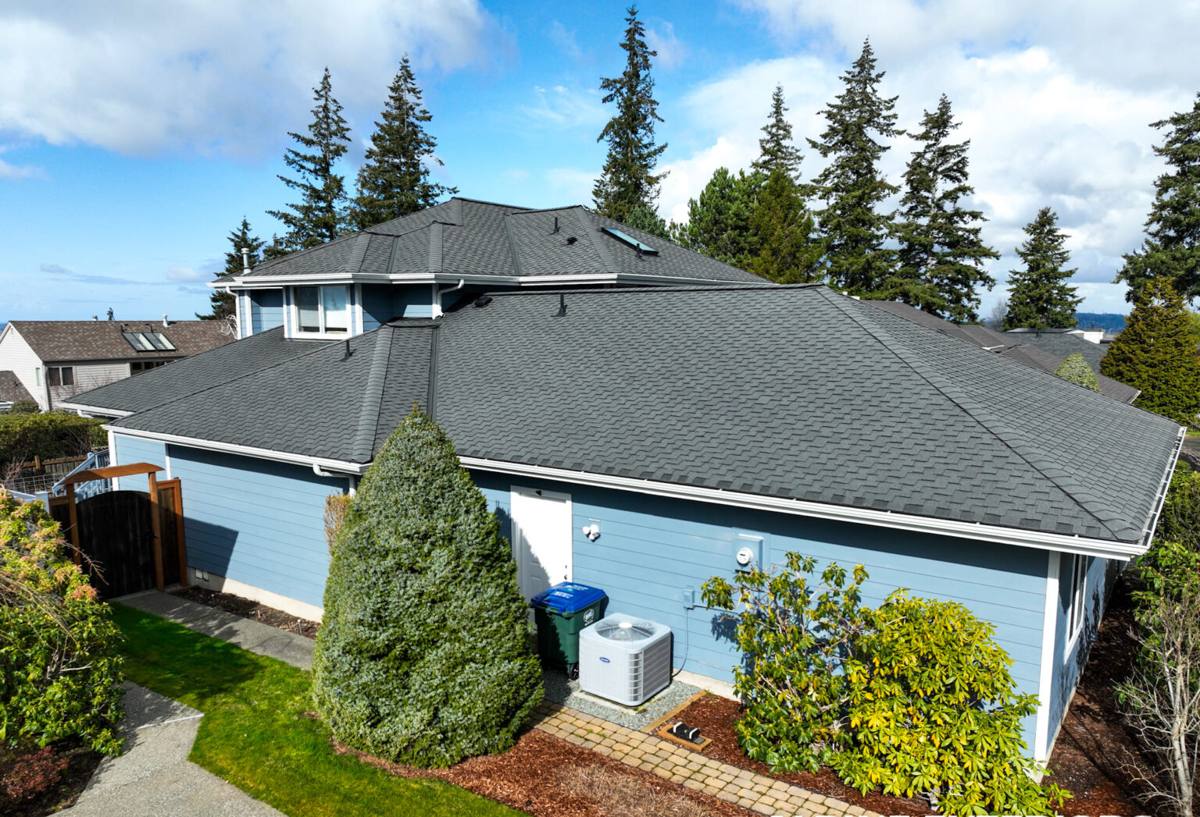
Every coastal Whatcom County property has its own quirks, but homes in and around Alger tend to share a few things that shape how we approach a decking project:
- Salt air exposure: Metal fasteners, brackets, and railing hardware need to be rated for coastal use, not just standard exterior-grade. Cheaper hardware corrodes faster this close to the water.
- Shade and moisture retention: Many lots here have tree cover that keeps decks shaded and damp longer after a storm than an open, sunny lot would. That extends the window where moss and algae can establish themselves.
- Ground moisture and drainage: Chuckanut-area soil and grading vary a lot from property to property. A deck built without attention to how water moves underneath it will trap moisture against the framing regardless of what decking material sits on top.
- Freeze-thaw cycling: Whatcom County winters aren't brutal, but the repeated freeze-thaw swings during the wet season stress fasteners, joints, and any gaps where water can collect and expand.
A composite deck that's installed with these factors in mind will outlast one that's built the same way you'd build it in a dry inland climate. The material choice matters, but so does the substructure, the hardware, and the drainage plan underneath it.
Where Moss Season Actually Causes Problems
Moss doesn't just grow on wood — it will colonize composite decking too if the surface stays damp and shaded long enough, especially in board grooves, fastener channels, and anywhere debris collects. The difference is that composite doesn't degrade from it the way wood does. Moss on composite is a cleaning issue, not a structural one, as long as the deck was built with enough airflow underneath and gaps sized correctly for drainage.
What a Correct Composite Deck Installation Involves
A composite deck is only as good as what's underneath it. The visible boards get most of the attention, but the framing, fastening system, and drainage details are what determine whether the deck is still solid and clean-looking in ten years.
Substructure and Framing
We build to current code for joist spacing and span, and we pay particular attention to ledger board attachment and flashing where the deck meets the house — that's the single most common failure point we see on older decks in wet coastal climates, composite or not. Framing lumber gets treated for ground contact where it's in contact with concrete or soil, and joist tape or flashing tape goes over the top of every joist to keep moisture from wicking into the wood from above.
Fasteners and Hardware
Hidden fastener systems are standard on most composite boards now, and we use hardware rated for coastal/marine exposure — stainless or coated fasteners that won't corrode and streak the decking. This is a place where cutting corners shows up fast in a salt-air environment; standard-grade screws can start rusting within a year or two this close to the water.
Drainage and Airflow
Proper board spacing, correct joist height for airflow underneath, and grading that moves water away from the structure are what actually prevent the moss and mildew buildup people associate with wet-climate decks. We also account for how water sheds off the deck surface itself, particularly on decks that sit under tree cover for most of the day.
Railings, Stairs, and Fascia
Railing posts need solid blocking and correct attachment to resist the lateral loads code requires — this is a common weak point on older or DIY decks. Fascia boards and stair stringers get the same fastener and flashing treatment as the deck field so the whole structure ages evenly instead of the field boards outlasting the trim.
Comparing Composite Decking Options
Not all composite decking is built the same way, and the differences affect how a board performs in a climate like this one. Here's a general comparison of the composite categories homeowners typically choose between:
| Composite Type | Moisture Resistance | Maintenance | Typical Lifespan |
|---|---|---|---|
| Capped composite (PVC/polymer shell over wood-plastic core) | Excellent — shell blocks moisture and staining | Low — occasional wash | 25–30+ years |
| Uncapped composite (wood-plastic blend, no protective shell) | Good, but more prone to surface staining and fading | Moderate — periodic cleaning and care | 15–25 years |
| Solid PVC/cellular decking | Excellent — no wood content at all | Low | 25–30+ years |
For a shaded, salt-exposed property like a typical Alger lot, we generally steer homeowners toward capped composite or solid PVC boards. The added upfront cost is usually worth it in reduced staining and mildew retention, but the right call depends on your budget, how much sun the deck gets, and how the space will be used. We'll walk through the actual options and pricing for your property during the estimate rather than push one brand.
Cost Factors for a Composite Deck in This Area
Composite decking costs more upfront than pressure-treated wood, but the gap narrows over the life of the deck once you factor in staining, sealing, and repair that wood requires. Several things move the price on any given project:
| Factor | Why It Matters Here |
|---|---|
| Deck size and shape | Square footage and the number of angles/cuts affect both material and labor |
| Height and structure | Elevated decks need more substantial framing, footings, and often stairs and railing |
| Board and hardware grade | Capped composite and coastal-rated fasteners cost more but hold up longer against salt air |
| Site access and grading | Sloped or wooded lots common around Chuckanut can add site prep work |
| Ledger/flashing condition | Older homes sometimes need ledger repair or re-flashing as part of the job |
We give a firm number after seeing the site — not a phone estimate — because the framing condition and drainage situation under an existing deck can change the scope significantly.
Our Process for an Alger Deck Project
- On-site assessment: We look at the existing structure (if there is one), the grading and drainage around it, sun/shade exposure, and how the deck ties into the house.
- Material walkthrough: We go over composite board options honestly, including trade-offs in cost, maintenance, and appearance, based on your specific site conditions.
- Detailed proposal: A written scope covering framing, fasteners, drainage plan, railing, and finish details — no vague line items.
- Build: Demo of the old deck if needed, framing and flashing work, then decking, railing, and trim installation.
- Final walkthrough: We check board spacing, fastener finish, railing rigidity, and drainage before calling the job done.
What to Check Before You Hire Anyone for Deck Work Here
- Do they flash and tape the ledger board and joists, or just screw boards to bare lumber?
- Do they spec coastal-rated fasteners and hardware, or standard exterior-grade?
- Can they explain their drainage and airflow plan for a shaded, wet lot specifically?
- Do they carry current licensing and insurance for exterior construction in Washington?
- Will they put the material brand, fastener spec, and warranty terms in writing?
Why Local Experience With This Area Matters
A deck built for a dry, sunny inland lot and a deck built for a shaded, salt-exposed property near Chuckanut shouldn't be built the same way — even if the visible composite boards look identical. Crews who haven't worked in this specific coastal, moss-prone environment often under-spec the hardware, skip the flashing details that matter most in wet climates, or don't account for how little sun a shaded lot gets during the wet months. That shows up a few years later as corroded fasteners, moss buildup in low-airflow spots, or a ledger connection that's started to fail.
We work on homes throughout Whatcom County and understand the specific combination of salt air, rainfall, and shade that Alger properties deal with. That's not a marketing line — it's the difference between a deck that needs attention in five years and one that doesn't need much beyond an occasional wash for two decades.
Maintenance: What Composite Actually Requires Here
One of the real advantages of composite decking in this climate is how little upkeep it needs compared to wood — but "low maintenance" doesn't mean "no maintenance," especially with moss season factored in.
- Rinse or sweep debris (leaves, needles, seed pods) off the deck regularly, especially in shaded areas where it collects and holds moisture.
- Wash the surface once or twice a year with a soft-bristle brush and a composite-safe cleaner to prevent moss and algae from taking hold.
- Keep gutters and downspouts near the deck clear so runoff isn't dumping extra water onto or under the structure.
- Check railing posts and stair connections annually for any looseness, particularly after a hard winter.
None of this requires sanding, staining, or sealing — which is the real time and cost savings composite offers over wood in a climate that's wet as much of the year as this one is.
If you're considering a new composite deck or replacing one that hasn't held up to the Chuckanut-area climate, we're happy to take a look and give you a straightforward, no-pressure estimate. Use the form below to get started.