 Chuckanut Exterior
 Siding Repair Built for Blanchard's Weather
Blanchard sits close enough to the water that salt air is a daily fact of life, and close enough to the hills that driving rain and long stretches of shade turn into a year-round moss problem. Siding here doesn't fail because homeowners neglected it. It fails because the climate is relentless in ways that inland siding never has to deal with. Wind-driven rain finds every gap in a butt joint. Salt-laden air accelerates corrosion on fasteners and trim. Shaded north walls stay damp for weeks at a time, giving moss and mildew exactly the conditions they need to take hold.
Siding repair in this part of Whatcom County isn't a cosmetic job. Done right, it's about finding where water is actually getting in, fixing that root cause, and only then addressing what it damaged. Done wrong — patched over without diagnosing the source — the same section fails again in a season or two, and often takes more of the wall with it the second time.
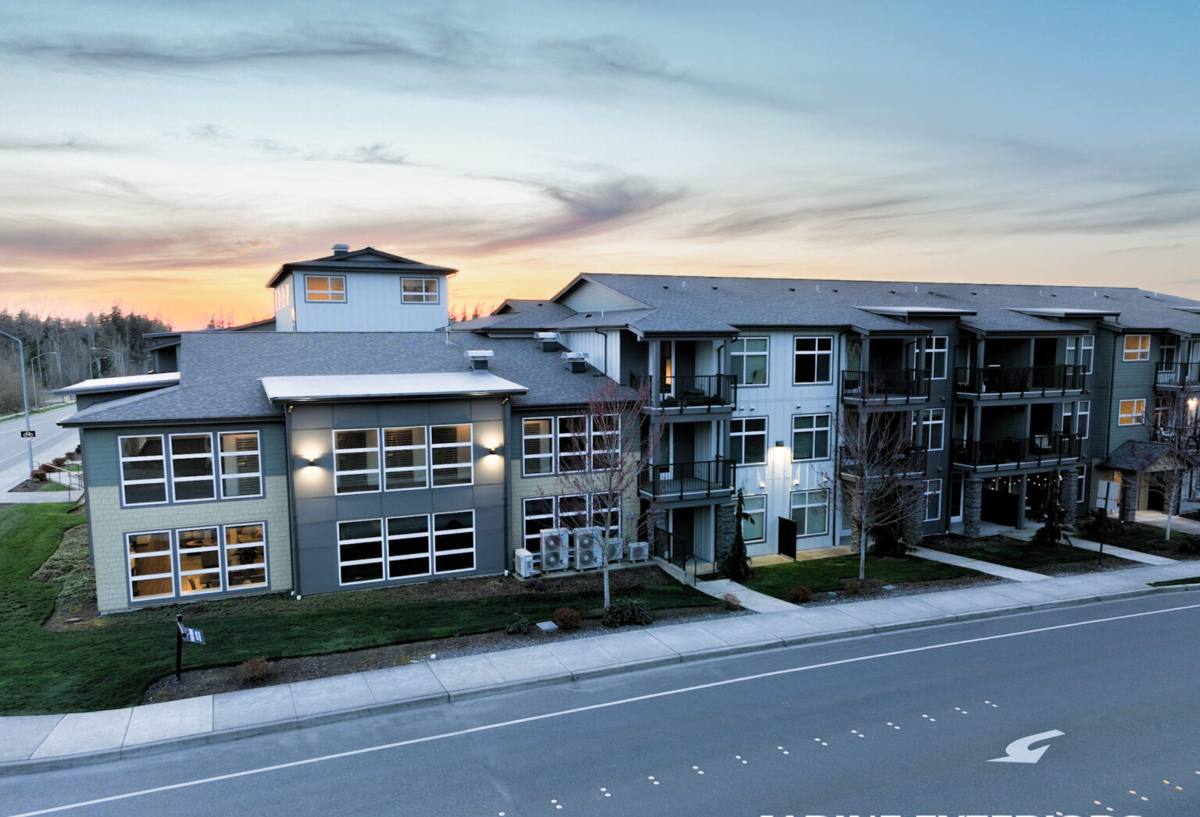
What Blanchard Homes Are Actually Dealing With
Every coastal Whatcom County property is fighting the same three forces, just in different combinations depending on the lot's exposure and tree cover:
- Salt air corrosion — fasteners, flashing, and any exposed metal trim degrade faster near Chuckanut and the surrounding bays than they would twenty miles inland.
- Driving rain — wind off the water pushes moisture sideways into joints, seams, and anywhere caulk has started to crack or shrink.
- Extended moss season — shaded walls, roof overhangs, and north-facing exposures stay damp long enough for moss and algae to establish and hold moisture against the siding surface for months at a stretch.
Any one of these will eventually cause a problem. Together, they compound. A cracked caulk joint lets in rainwater; salt air corrodes the fastener behind it; moss growing over the damaged spot holds the moisture in place instead of letting it dry. By the time a homeowner notices a soft spot or a stain, the damage has usually been building for a while.
Signs It's Time for a Repair Call
- Soft, spongy, or spring-feeling siding when pressed by hand
- Visible cracking, buckling, or warping in individual boards or panels
- Dark staining or streaking that doesn't wash off, especially on shaded walls
- Moss or algae buildup at seams, corners, or beneath trim
- Peeling or bubbling paint, particularly near ground level or under eaves
- Gaps opening up at butt joints, corner boards, or window and door trim
- A musty smell near an exterior wall, which often points to moisture already behind the siding
None of these on their own means the whole wall needs to come off. But each one is worth a proper look before it spreads.
What a Correct Repair Actually Involves
A quick patch — caulk over a crack, a fresh coat of paint over a stain — hides a symptom without fixing the cause. A correct repair works backward from the damage to figure out how water got in, then addresses that pathway before touching the visible siding. That typically means:
- Removing the damaged section cleanly, without disturbing more of the surrounding wall than necessary.
- Inspecting the wall assembly behind it — house wrap, sheathing, and framing — for rot, staining, or ongoing moisture intrusion.
- Correcting the entry point, whether that's failed flashing, a bad seal at a window, or a joint that was never properly lapped in the original install.
- Replacing damaged sheathing or framing if the moisture has gone that far, rather than closing it back up over hidden rot.
- Installing new siding material that matches the surrounding wall in profile and, as closely as possible, in color and texture.
- Re-sealing and finishing the repair so the new section performs — and looks — like it belongs.
Skip step two or three and the repair is cosmetic. The board looks fine for a season, and the same spot fails again because nothing changed behind the surface.
Repair or Replace: How to Think About It
Not every damaged section calls for a full re-side, and not every homeowner needs to be sold one. The honest answer depends on how much of the wall is affected and what's happening underneath.
| Situation | Usually points to | Why |
|---|---|---|
| One or two damaged boards, isolated area, sound wall behind | Targeted repair | The problem is local — fix the entry point and replace the affected material |
| Damage repeating in the same spots after prior repairs | Deeper investigation | A recurring failure usually means the underlying cause was never actually fixed |
| Rot or moisture found in sheathing across multiple wall sections | Larger-scope repair or partial re-side | Patching individual boards won't address a systemic moisture problem |
| Siding is original, aging, and failing in several unrelated areas | Full replacement | At a certain point, repeated repairs cost more over time than one correct installation |
| Material is discontinued or no longer color-matches available stock | Repair with a visible seam, or replace the wall face | Matching old material exactly isn't always possible — this affects appearance, not performance |
A straightforward diagnosis on-site is usually enough to tell which category a given home falls into. What it should never be is a foregone conclusion before anyone has actually looked at the wall.
How We Handle a Blanchard Repair
The process is the same whether the job is a single damaged panel or a multi-wall repair:
- On-site inspection of the damaged area and anywhere else showing early warning signs, not just the spot the homeowner called about
- Moisture and material check behind the visible damage to confirm whether sheathing or framing is affected
- A clear, honest scope — what needs to be repaired, what's optional, and what we'd flag for future attention but isn't urgent
- Matching or compatible material selected to blend with the existing wall as closely as the situation allows
- Proper flashing and sealing at every disturbed joint, corner, and penetration — this is where most repairs succeed or fail long-term
- Cleanup and a final walkthrough so the homeowner can see exactly what was done and why
We don't upsell a full re-side when a targeted repair will genuinely hold up, and we don't recommend a patch when the underlying wall assembly needs more attention than that. The scope follows what we actually find, not the other way around.
Why a Crew That Already Works This Area Matters
Siding repair in Blanchard rewards local experience in a way that's easy to underestimate. A contractor who works Whatcom County's coastal edge regularly already knows which wall orientations take the worst of the driving rain, how aggressively moss establishes on shaded elevations near Chuckanut, and how much faster fasteners and flashing corrode this close to salt water compared to inland jobs. That's not something a crew unfamiliar with the area picks up on the first visit — and on a repair, getting the diagnosis right the first time is most of the job.
It also matters for material matching. A crew that has worked on siding from the same era and region has a better sense of what's likely behind the wall and what products are realistically available to match it, rather than guessing.
Material Matters — Especially on a Repair
When a repair calls for new material, what goes into that wall matters as much as the workmanship. This is a big part of why we standardized on James Hardie fiber cement rather than vinyl, LP SmartSide, or untreated wood siding: in a climate that combines salt air, driving rain, and heavy moss pressure, the siding itself needs to hold up to constant moisture exposure without becoming the next thing that needs repair.
Fiber cement doesn't absorb water the way engineered wood products can, and it doesn't expand and contract with moisture the way vinyl does at seams and corners. James Hardie's factory-applied ColorPlus finish also holds color and resists the kind of fading and chalking that shows up fast on painted siding exposed to this much coastal weather. On a repair, that means new sections are less likely to become the next callback — and on a larger-scope job, it's why full replacement, when it's genuinely warranted, gets recommended with Hardie rather than an alternative product.
That said, a repair is a repair. If a home's existing siding is a different material and the damage is limited, we'll say so plainly rather than pushing a product change that isn't needed yet.
What Repairs Typically Run
Costs vary based on how much material needs replacing, whether sheathing or framing is affected, and how much matching work is involved. Broad factors that move the number:
| Factor | Effect on cost |
|---|---|
| Size of the damaged area | More boards or panels means more material and labor |
| Hidden moisture or rot behind the siding | Sheathing or framing replacement adds meaningfully to scope |
| Wall height and access | Second-story or hard-to-reach walls take longer and may need staging |
| Material matching | Discontinued colors or profiles can require broader replacement for a clean look |
| Trim and flashing condition | Corroded or failed flashing needs replacing alongside the siding, not just around it |
We don't quote a repair without seeing it — anything else is a guess, and guesses tend to be wrong in one direction or another.
Get an Honest Look at Your Siding
If your Blanchard home has soft spots, staining, moss buildup, or damage that keeps coming back in the same place, it's worth having someone look before another wet season adds to the problem. We'll walk the affected area, tell you honestly what we find, and lay out what a correct repair actually involves — no pressure, no inflated scope. Reach out below for a free estimate.