 Chuckanut Exterior
 Board & Batten Siding for Edison, in the Shadow of Chuckanut
Edison sits in a stretch of Whatcom and Skagit County where farmland, tidal flats, and forested hillsides all meet close together. Homes here run the gamut from old farmhouses to newer builds, but board and batten keeps showing up as a favorite look — those wide vertical panels with narrow battens covering the seams read as clean, simple, and durable, which fits the working-land character of this area better than a lot of fussier trim profiles. We install board and batten for homeowners around Edison and the Chuckanut corridor regularly enough to know what the style needs to actually hold up here, not just look good on install day.
This page is specific to board and batten siding for homes in and around Edison. If you're comparing profiles or just researching siding in general, this isn't that page — this is what we tell homeowners in this exact area when board and batten is the direction they're leaning.
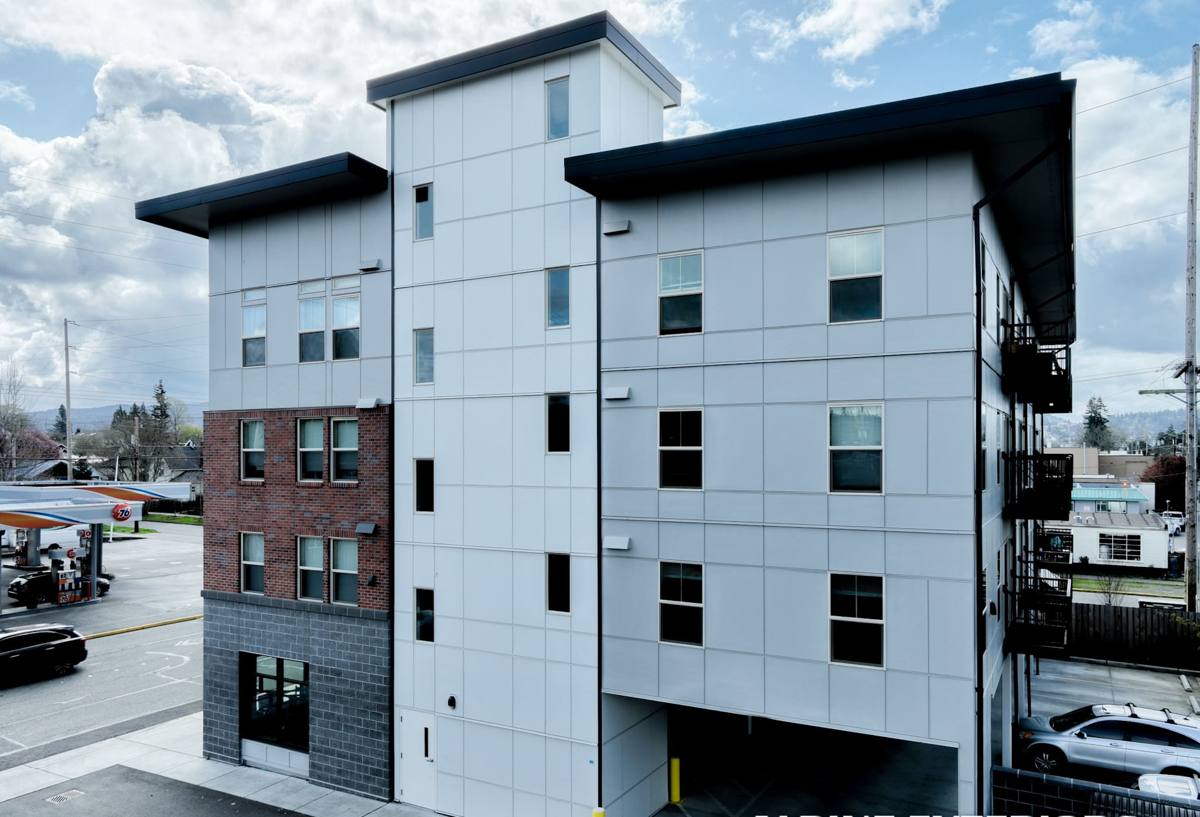
What Salt Air, Driving Rain, and Moss Season Do to Vertical Siding
Edison's proximity to Samish Bay and the tidal sloughs around it means homes take on a steady dose of salt-laden air, especially on west and southwest-facing walls. Combine that with the driving, wind-pushed rain that comes through this corridor off Chuckanut Bay and the Sound, and you've got two forces working on your siding at once: corrosion and moisture intrusion.
Why Board & Batten Is More Sensitive to This Than Lap Siding
Vertical board and batten has more seams running with the water flow than horizontal lap siding does, and every batten seam is a potential entry point if it's not detailed correctly. On top of that, the shaded, moisture-holding conditions common under tree cover around Edison mean moss and algae get a foothold fast — and moss doesn't just look bad, it holds water against the siding surface for extended periods, which is exactly what degrades poorly-sealed seams and fastener points over time.
None of this makes board and batten a bad choice for the area. It means the material and the installation both have to be built for it, not just installed the way a catalog photo shows it.
Why We Install This Style Only in James Hardie Fiber Cement
We don't offer board and batten in vinyl, LP SmartSide, primed spruce, or cedar. For this specific profile, in this specific climate, that's not a marketing position — it's a practical one. Wood-based battens and boards absorb moisture at every seam and are the first thing to show rot in a high-moss, high-rain environment. Vinyl board and batten looks the part but flexes and gaps at the seams over time, which undermines the whole point of a tight, linear look. James Hardie's fiber cement system is non-combustible, doesn't feed mold or moss the way wood-based products can, and holds its dimension so the reveal lines stay straight for years instead of waving.
The Product System We Use
For board and batten, that typically means HardiePanel vertical siding as the field material with HardieTrim boards installed as the battens over the panel seams, all finished in Hardie's ColorPlus factory finish. In this climate, we spec HZ5 engineered products, which are formulated for the wetter, more variable weather of the Pacific Northwest rather than a generic national blend.
ColorPlus Finish in a Salt-Air Environment
The factory-applied ColorPlus finish matters more here than in a drier inland climate. It's baked on and backed by its own finish warranty, which means it resists the fading and chalking that field-applied paint struggles with under UV exposure plus salt air. You're not repainting board and batten siding every several years just to keep the color from going flat.
What a Correct Board & Batten Installation Actually Involves
The style is simple looking, but there are more ways to get the details wrong on vertical siding than on horizontal lap. This is where most of the long-term problems we get called out to fix on other people's board and batten jobs originate.
Drainage Behind the Panel
Vertical siding needs a drainage gap behind it — a rainscreen — so any moisture that does get past the surface has somewhere to go besides sitting against the wall sheathing. This is not optional in a climate that sees the rain volume Chuckanut and Edison get.
Flashing and Panel Gaps
Every panel needs proper gapping at joints, correctly flashed window and door openings, and Z-flashing or equivalent at horizontal panel breaks. The battens themselves need to land over the seams with consistent reveal and be fastened per Hardie's engineering — not just nailed wherever looks even.
Fastener and Caulk Choices
Salt air accelerates corrosion on the wrong fastener. We use fasteners rated for the coastal exposure this area gets, and we don't rely on caulk as a primary water barrier — caulk is a detail, not a strategy, and it's the first thing that fails when a crew uses it to cover for a shortcut in the flashing.
Our Process for an Edison Board & Batten Project
- Site walk and assessment — we look at wall orientation, moss and moisture patterns, existing sheathing condition, and how much sun/shade each elevation gets, since that changes the maintenance conversation later.
- Tear-off and sheathing check — old siding comes off and we inspect the sheathing underneath for rot or hidden moisture damage before anything new goes up. This step gets skipped by corner-cutting crews and it's the single biggest source of callback problems.
- Weather barrier and rainscreen install — a proper water-resistive barrier plus drainage gap goes on before a single panel is hung.
- Panel and batten installation — HardiePanel field panels go up first, then HardieTrim battens over the seams, fastened and gapped to Hardie's spec for this exposure category.
- Flashing and trim detailing — windows, doors, and any wall penetrations get flashed correctly, not caulked over.
- Final inspection — we walk the finished job checking reveal consistency, fastener pattern, and sealed transitions before calling it done.
Board & Batten Cost Factors for Edison Homes
Every home is different, but these are the variables that actually move the number on a board and batten project in this area — useful to know before you start collecting quotes.
| Factor | Why It Matters |
|---|---|
| Existing siding removal | Tear-off and disposal of old material adds labor, especially with layered or hidden damage |
| Sheathing repair | Moss and moisture-related rot found during tear-off has to be fixed before new siding goes on |
| Wall height and complexity | Gables, dormers, and multiple stories add cutting, scaffolding, and detail work |
| Battten spacing and reveal | Tighter batten spacing uses more trim material and installation labor than wider spacing |
| ColorPlus color selection | Standard colors versus premium finish tiers can shift material cost |
| Wall exposure | Elevations facing prevailing wind-driven rain and salt air often get extra flashing and rainscreen attention |
Living With Board & Batten Through Moss Season
Even correctly installed, board and batten near Edison benefits from a bit of seasonal attention, especially on shaded north and west walls where moss and algae take hold first.
- Rinse siding with a garden hose (not a pressure washer aimed at seams) once or twice a year to clear moss spores and salt residue before they establish
- Trim back vegetation and tree limbs that keep a wall shaded and damp longer than the rest of the house
- Check gutters and downspouts each fall so overflow isn't running down the face of the siding through winter storms
- Watch batten seams near ground level and roof transitions — these are the first spots to show wear on any vertical siding system
- Address any nail pops or caulk cracking early rather than waiting for the next dry season
James Hardie's engineered HZ5 product and ColorPlus finish are built to reduce how often you have to think about this list, but no siding in a climate like this one is entirely maintenance-free.
Why a Crew That Already Works Edison Matters
A siding crew that's worked the Chuckanut and Edison area already knows which elevations take the worst of the wind-driven rain, how fast moss establishes under the local tree cover, and where salt exposure is worse than it looks on paper. That's the difference between a generic install and one detailed for the specific conditions your wall is actually going to face. It also means we're not learning the local weather patterns on your project — we've already seen how board and batten performs, and fails, on homes near yours.
If you're considering board and batten siding for a home in or near Edison, we're happy to walk the property, look at your specific wall exposures, and give you a straight answer on what the job involves. Reach out for a free, no-pressure estimate using the form below.