 Chuckanut Exterior
 Why Bow Homes Need a Different Approach to Window Efficiency
Windows in Bow don't fail the way windows fail in drier parts of the country. Out here, close to Chuckanut Bay and the open water along Chuckanut Drive, the problem usually isn't a single storm — it's the slow, steady combination of salt-laden air, wind-driven rain, and long stretches of shaded, damp weather that Whatcom County homeowners simply call "moss season." A window that's rated efficient on paper can still underperform badly if it wasn't built and installed with this specific climate in mind.
When we talk about energy-efficient windows for a Bow home, we're not just talking about glass. We're talking about frame material, hardware corrosion resistance, flashing details, and how the whole assembly handles months of moisture exposure without drying out fully in between. Get those details right and a Bow home stays warmer in winter, cooler on the rare hot week, and quieter — with far less risk of the rot and mold problems that show up years later around older window openings in this area.
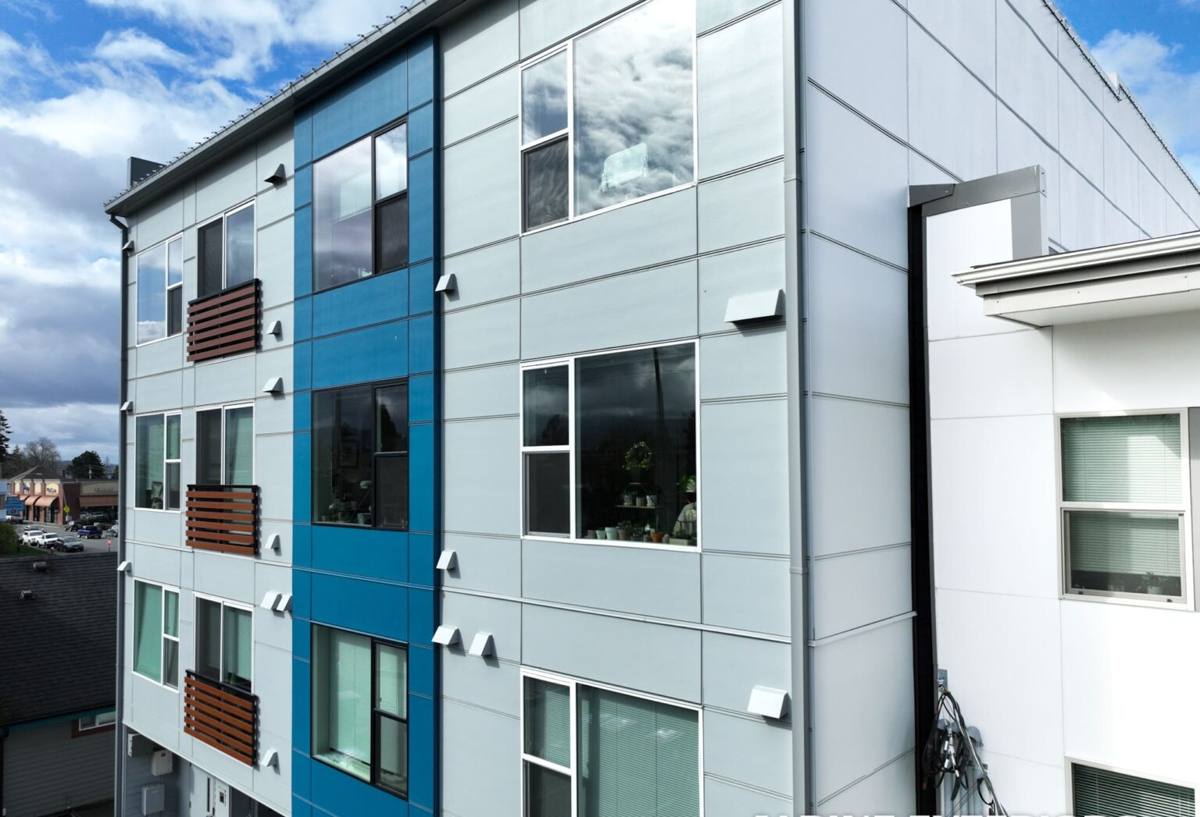
What "Energy-Efficient" Actually Means in This Climate
U-Factor Matters More Than SHGC Here
Two numbers drive most window efficiency ratings: U-factor (how much heat escapes through the window) and Solar Heat Gain Coefficient, or SHGC (how much solar heat comes through the glass). In sunnier climates, contractors spend a lot of time balancing the two. Around Bow, with the Pacific Northwest's persistent cloud cover and mild summers, U-factor does most of the work — keeping the heat you've paid for inside the house — while SHGC becomes a secondary consideration, mainly on south- and west-facing walls that catch more direct light in summer.
We look for a U-factor in the 0.27–0.30 range or better for most Bow homes, paired with double or triple glazing and at least one Low-E coating. That combination keeps heating bills down through the long, damp winter without over-investing in solar control you don't really need under a marine cloud layer.
Low-E Coatings and Gas Fills
Low-E (low-emissivity) coatings are a microscopically thin metallic layer that reflects heat back into the room in winter while still letting daylight through. Argon gas fill between panes — standard on most quality double-pane units now — slows heat transfer further and helps reduce interior condensation on cold mornings, which is a common complaint in older single-pane and early dual-pane homes throughout the area.
Condensation Control
Interior condensation isn't just an inconvenience — sitting moisture on a windowsill, day after day, through a wet winter is exactly what starts sill rot in wood-framed windows. A window's condensation resistance rating (also published by NFRC, the National Fenestration Rating Council) is worth asking about specifically if your home runs humid, has a lot of cooking or shower steam, or sits in a shaded, less-ventilated spot.
Frame Materials: What Holds Up to Salt Air and Rain
Frame choice matters as much as the glass package, especially this close to the water. Salt air accelerates corrosion in hardware and pitting in some metal finishes, and constant damp cycling stresses any material that can absorb moisture. Here's how the common options compare for a Bow-area home:
| Frame Material | Salt Air / Moisture Performance | Maintenance | Typical Fit |
|---|---|---|---|
| Vinyl | Very good — won't corrode or rot, handles damp cycling well | Low — occasional cleaning | Most Bow homes, best value |
| Fiberglass | Excellent — very stable in temperature and moisture swings | Low | Larger openings, homes wanting a premium, long-life frame |
| Wood | Fair — needs consistent sealing and upkeep to resist rot near the coast | High | Historic or period-style homes where the look matters |
| Wood-Clad (exterior-clad wood) | Good on the exterior face, but any breach in the cladding lets moisture into the wood core | Moderate | Homeowners wanting a wood interior look with better weather protection |
| Aluminum | Poor without a marine-grade finish — prone to corrosion and condensation, conducts cold | Moderate to high | Rarely our first recommendation for this climate |
For most Bow homeowners, we lean toward vinyl or fiberglass. Both resist the corrosion and rot issues that salt air and driving rain create for other materials, and neither depends on a paint or clad finish staying perfectly intact year after year to keep water out. If you're restoring a home with real wood-window character, that's a legitimate reason to go wood or wood-clad — but it comes with a maintenance commitment we'll walk you through honestly before you commit to it.
Where the Job Actually Succeeds or Fails: The Install
Sill Pan Flashing
Most window failures we see in this area aren't glass or frame failures — they're install failures. A window opening that isn't flashed correctly will eventually let water in, no matter how good the window itself is. On every replacement, the opening should get a sloped sill pan flashing so any water that does get past the window drains back outside instead of sitting against the framing.
Wind-Driven Rain Protection
Driving rain off Chuckanut Bay and Samish Bay doesn't just fall straight down — storms push it sideways into wall assemblies, which means head flashing, side flanges, and the water-resistive barrier around the opening all need to integrate correctly, not just get caulked and called done. We lap materials shingle-style, top over bottom, so water sheds outward at every layer.
Sealing and Insulation Around the Frame
A window can be perfectly efficient in the showroom and still leak air and heat once installed if the gap between the frame and rough opening isn't sealed and insulated correctly — not overpacked with expanding foam, which can bow a frame out of square, but filled evenly with a low-expansion foam or backer rod and sealant suited to the gap size.
Moss Season and Moisture: Protecting the Opening Itself
Whatcom County's long stretch of grey, wet months — what locals call moss season — is hard on anything wood or organic that stays damp without a real chance to dry out. Around windows specifically, that shows up as:
- Soft or spongy trim and sills that have absorbed moisture over multiple seasons
- Dark staining or moss growth on north-facing or shaded exterior trim
- Paint that's cracking or peeling at the sill, often the first visible sign of water getting underneath
- A musty smell near windows on the shaded side of the house
- Interior drywall or paint bubbling below a window after a hard rain
Part of doing a window replacement right in Bow is checking the condition of the framing and sheathing behind the old window once it's out — not just swapping units and re-trimming. If we find soft or rotted material during removal, we'll show it to you and talk through the repair before closing the wall back up, rather than sealing a problem behind a brand-new window.
Our Process for a Bow Window Replacement
1. On-Site Assessment
We walk the exterior and interior of each window opening, checking exposure (which walls take the worst weather), current condition, and any signs of past moisture intrusion.
2. Product Selection
We go over frame material, glass package, and grille or hardware options based on your home's style, budget, and how exposed that side of the house is to salt air and driving rain.
3. Removal and Opening Inspection
Old windows come out carefully, and we inspect the framing and sill for hidden rot or moisture damage before anything new goes in.
4. Flashing and Weatherproofing
Sill pan, flashing tape, and water-resistive barrier integration happen before the new window is ever set — this step is what determines whether the install lasts.
5. Installation and Sealing
The window is set square and level, shimmed evenly, insulated around the frame, and sealed with exterior-grade sealant rated for this climate.
6. Interior and Exterior Finish
Trim, caulking, and touch-up work are finished to match your home, inside and out.
7. Final Walkthrough
We check operation, seals, and finish work with you before calling the job done.
What Affects the Cost of a Bow Window Project
Every home is different, but the same handful of factors drive most of the cost variation we see on window jobs in this area:
| Factor | Why It Matters |
|---|---|
| Frame material | Vinyl is generally the most budget-friendly; fiberglass and wood cost more upfront |
| Number and size of openings | Larger and more numerous windows increase both material and labor |
| Condition of the existing opening | Hidden rot or moisture damage found during removal adds repair time |
| Exposure | Walls facing the water or prevailing storms may warrant upgraded flashing details |
| Glass package | Triple glazing, upgraded Low-E coatings, or sound-dampening glass raise cost over standard double-pane |
| Access and site conditions | Second-story, tight, or hard-to-access openings take more time to work safely |
We give you a clear, itemized estimate before any work starts, and we'll flag anything that could change the price — like framing repair — the moment we find it, not after the fact.
Signs Your Current Windows Are Costing You Money
- You can feel a draft near the window even when it's fully latched
- Condensation regularly forms between the panes (a sign the seal has failed)
- The frame or sill feels soft, spongy, or shows visible rot
- Windows are hard to open, close, or lock — a sign the frame has shifted or warped
- Your heating runs noticeably more on windy, rainy days
- Exterior caulking is cracked, missing, or pulling away from the frame
- You notice moss or dark staining building up around the trim
Any one of these on its own isn't necessarily an emergency, but a few together usually mean the windows are past the point where sealing or repair will hold up long-term in this climate.
Why Hiring a Crew That Already Works in Bow Matters
Window installation looks similar on paper everywhere, but the details that actually matter — how deep to set flashing on a wall that takes direct wind off the bay, which frame materials hold up honestly over a decade of salt air, how much drying time an opening needs before it gets closed back up during a wet stretch — come from having done this work specifically in Whatcom County conditions, not from a general install checklist. A crew that regularly works Bow and the surrounding Chuckanut area already knows what this climate does to a window opening over time, and builds the job around that from day one instead of learning it the hard way on your house.
Get a Free, No-Pressure Estimate
If your windows are drafty, fogging between the panes, or showing early signs of moisture damage, it's worth having a second set of eyes on them before the next wet season sets in. Fill out the form below for a free, no-obligation estimate on energy-efficient window replacement for your Bow home — we'll walk the property, answer your questions honestly, and give you a straightforward recommendation, whether that's a full replacement or a smaller repair.