 Chuckanut Exterior
 Deck Building in Columbia, Chuckanut
Columbia homeowners in the Chuckanut area of Whatcom County ask us the same question almost every time: why did my last deck fail so much faster than it should have? The answer is almost never bad luck. It's usually a deck that was built to a generic spec instead of one built for this specific stretch of coastline. Salt-laden air, long stretches of driving rain, and a moss season that can run half the year are hard on lumber, hardware, and finishes in ways that inland decks never have to deal with. A deck built for Columbia needs different fasteners, different drainage details, and a different maintenance rhythm than the same deck built twenty miles inland.
This page covers what deck building actually involves for homes in and around Columbia — what the climate does to a deck over time, what a correctly built structure looks like, how our process works from first visit to final walkthrough, and why working with a crew that already builds decks in this specific area matters more here than in most parts of the country.
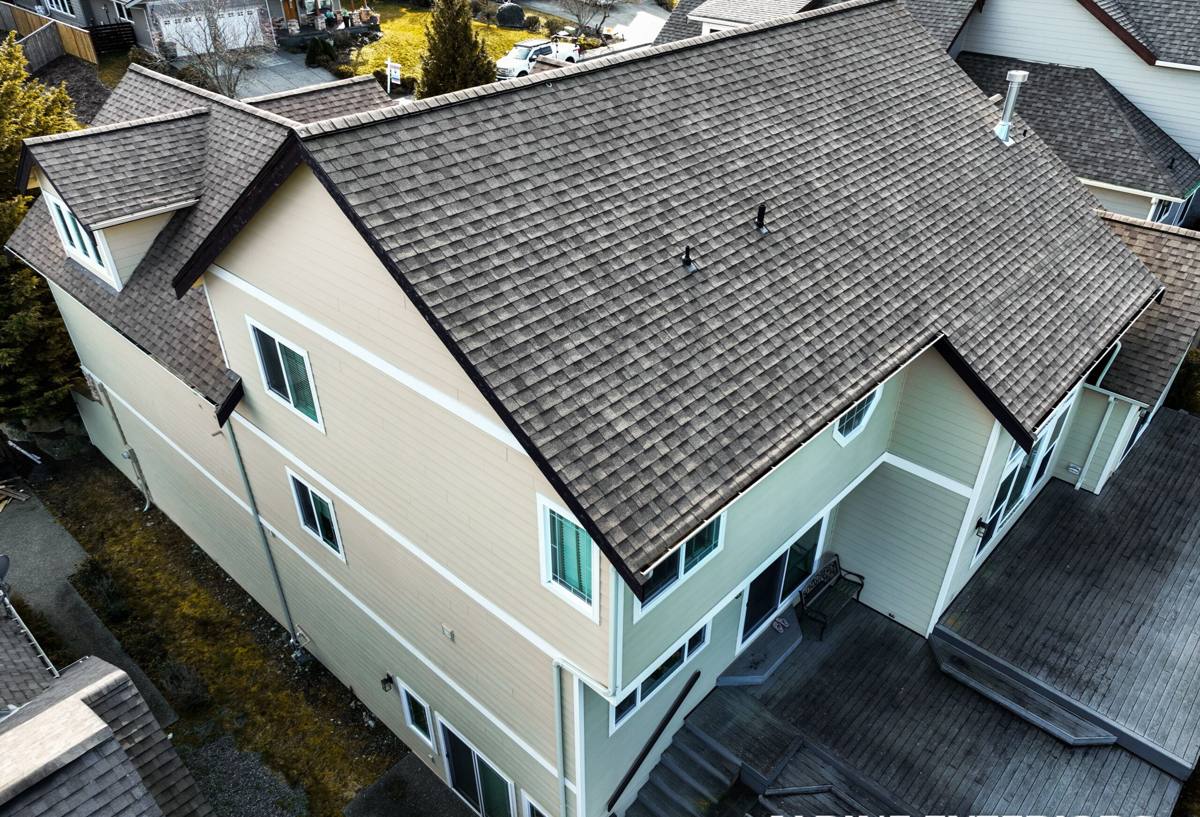
What Columbia's Climate Does to a Deck
Whatcom County's marine climate is generally mild, which is part of why outdoor living space is so popular here. But mild doesn't mean gentle on building materials. Three conditions in particular shorten the life of a poorly built deck in this area.
Salt Air and Corrosion
Proximity to the water means airborne salt settles on every exposed surface, including deck hardware. Standard galvanized fasteners and connectors that hold up fine inland can start corroding within a few years near the coast. Once a fastener corrodes, it loses holding strength long before it looks obviously bad — which is exactly why we don't cut corners on hardware grade here.
Driving Rain and Water Intrusion
Rain in this area rarely falls straight down. Wind-driven rain gets pushed sideways into ledger connections, stair stringers, and any spot where two building materials meet. If flashing and gapping details aren't done correctly, water finds its way into framing and the house wall behind the deck, not just the decking boards themselves.
Moss, Algae, and a Long Wet Season
Shaded and partially shaded decks in this region can stay damp for weeks at a stretch during fall, winter, and spring. That moisture, combined with organic debris from surrounding trees, creates ideal conditions for moss and algae growth on decking surfaces and in the gaps between boards. Beyond looking bad, a mossy deck surface holds moisture against the wood and becomes genuinely slick and dangerous underfoot.
What a Correctly Built Deck Involves
A deck that's going to hold up in Columbia's climate isn't built differently in a dramatic way — it's built more carefully in a handful of specific places that generic construction often skips.
- Ledger flashing: Proper step or Z-flashing where the deck attaches to the house, installed to shed water away from the wall assembly, not just tucked in place.
- Corrosion-resistant hardware: Fasteners, joist hangers, and structural connectors rated for the exposure this area sees, not the minimum grade allowed by code.
- Board gapping and airflow: Correct spacing between decking boards so water drains through instead of pooling, plus enough clearance underneath the deck for air to actually move.
- Footing depth and drainage: Footings set below frost depth with drainage that keeps standing water away from posts, which matters in a region that gets sustained wet stretches.
- Material selection matched to exposure: Choosing decking, railing, and structural lumber based on how much sun, shade, and direct weather a given deck actually gets — a covered deck and an open, exposed deck don't need identical specs.
Skipping any one of these doesn't cause an immediate problem. It causes a problem in year three or four, which is when we typically get called to repair or rebuild a deck that was built to look right rather than perform right.
Choosing the Right Decking Material for This Climate
There's no single "best" decking material for every home — it depends on budget, how much sun or shade the deck gets, and how much maintenance a homeowner actually wants to keep up with. Here's how the common options compare specifically for Columbia's conditions.
| Material | How It Handles This Climate | Maintenance | Typical Lifespan |
|---|---|---|---|
| Pressure-treated lumber | Good rot resistance when properly sealed; needs vigilant fastener choice near salt air | Annual cleaning and resealing recommended | 15–20 years with upkeep |
| Cedar | Naturally rot- and insect-resistant, but the surface still grays and hosts moss without regular cleaning | Periodic cleaning, occasional oil or stain | 15–20 years with upkeep |
| Composite decking | Doesn't rot or absorb water into the board itself; still needs surface cleaning where moss and algae can grow on top | Low — occasional washing | 25+ years, varies by product warranty |
| PVC decking | Fully resists moisture absorption; performs well in high-rain, high-humidity conditions | Lowest — occasional washing | 25+ years, varies by product warranty |
We'll walk through these trade-offs honestly during your estimate rather than steering you toward whatever happens to have the best margin. A shaded, moss-prone deck is a very different recommendation than a sun-exposed deck with an open view of the water.
Our Deck Building Process
Every deck project follows the same core process, whether it's a full rebuild or new construction on a home that's never had one.
- On-site assessment: We look at sun and shade exposure, existing drainage, soil conditions, and — for rebuilds — the condition of the ledger connection and any existing framing.
- Design and material selection: We talk through layout, railing style, and decking material based on your budget and how the space will actually be used, not just how it will look on day one.
- Permitting: We handle the permit application and inspection scheduling required for the project, since most new decks and many rebuilds in Whatcom County require a permit.
- Framing and structural work: Footings, posts, beams, and joists are installed with corrosion-resistant hardware and correct spacing for this climate before any decking goes down.
- Flashing and waterproofing details: Ledger flashing, joist tape, and any other water-management details are installed before decking so they're never an afterthought.
- Decking, railing, and finish work: Boards, railings, stairs, and any built-in features are installed and gapped correctly for drainage.
- Final walkthrough: We go over the finished deck with you, including what maintenance it needs and on what schedule, before we consider the job done.
Signs an Existing Deck Needs Attention
If you already have a deck in Columbia, a lot of failures give warning signs well before anything becomes unsafe. Worth checking for:
- Soft or spongy spots underfoot, especially near the house connection or stair landings
- Rust streaks around fasteners or visible corrosion on hardware
- Persistent moss or algae that comes back within weeks of cleaning
- Gaps between the deck and the house where flashing should be, or visible water staining on the siding above the ledger
- Wobble in railings or posts when you push on them
- Standing water that doesn't drain within a few hours after rain stops
- Wood that's gone gray and rough, or is starting to splinter and crack along the grain
Any one of these is worth a look. Several at once usually means the deck's structural elements — not just the surface — need attention.
Permits and Code in Whatcom County
Most new deck construction, and many substantial rebuilds, require a building permit in Whatcom County, along with inspections at key stages such as footings and framing before decking is installed. Requirements can vary depending on deck height, size, and whether it's attached to the house. We handle the permit process as part of the job so you're not left figuring out county requirements on your own — it's a normal part of building a deck correctly, not an extra hurdle.
Protecting Your Investment: A Realistic Maintenance Schedule
Even a well-built deck needs some upkeep in this climate. The good news is it's not complicated — it's mostly about staying ahead of moisture and moss rather than reacting after damage shows up.
| Task | Frequency | Why It Matters Here |
|---|---|---|
| Sweep debris and clear gaps between boards | Monthly during fall/winter | Trapped leaves and needles hold moisture and feed moss growth |
| Wash surface (deck cleaner or mild solution) | 1–2 times per year | Removes moss, algae, and salt residue before it embeds in the surface |
| Inspect fasteners and hardware for corrosion | Annually | Catches early corrosion before it affects structural holding strength |
| Reseal or re-stain (wood decking only) | Every 1–3 years, depending on exposure | Maintains the wood's water resistance against driving rain |
| Check ledger flashing and house connection | Annually | Early water intrusion here can damage the house, not just the deck |
None of these tasks are difficult, but skipping them for a few years in a row is exactly how a 20-year deck turns into a 10-year deck.
Why a Local Columbia Crew Matters
Deck building isn't exotic work, but building one that lasts in this specific coastal, wet, moss-prone climate rewards experience with the area's actual conditions over generic best practices from a manual written for a drier region. A crew that already works in Columbia and the broader Chuckanut area knows which hardware grades hold up near the water, which spots on a given lot tend to stay damp longest, and what the Whatcom County permitting process actually requires — because we've done it here, repeatedly, not somewhere else. That local knowledge shows up in decisions you'd never think to ask about, like fastener spec or where extra drainage gets added under a shaded section of decking.
If you're planning a new deck or thinking about whether an existing one needs repair or replacement, we're happy to take a look and give you an honest assessment — no pressure, no obligation. Use the form below to request a free estimate for your Columbia property.