 Chuckanut Exterior
 Deck Repair Built for Columbia's Coastline Conditions
If you own a deck in the Columbia area of Chuckanut, you already know it doesn't age the way a deck would inland. Salt-laden air off the water, driving rain that comes in sideways more often than straight down, and a shade-and-moisture combination that keeps moss thriving most of the year all work against wood, fasteners, and finishes at the same time. A deck that would need a light sanding and re-stain somewhere drier can be hiding real structural problems here well before the surface looks bad.
We repair decks throughout Whatcom County, and Columbia is one of the areas where we see this pattern most consistently: homeowners notice a soft board or a slippery patch of moss and assume it's cosmetic, when the actual issue is moisture that's been working its way into the structure for a season or two. This page is about what that looks like specifically, and how we approach fixing it.
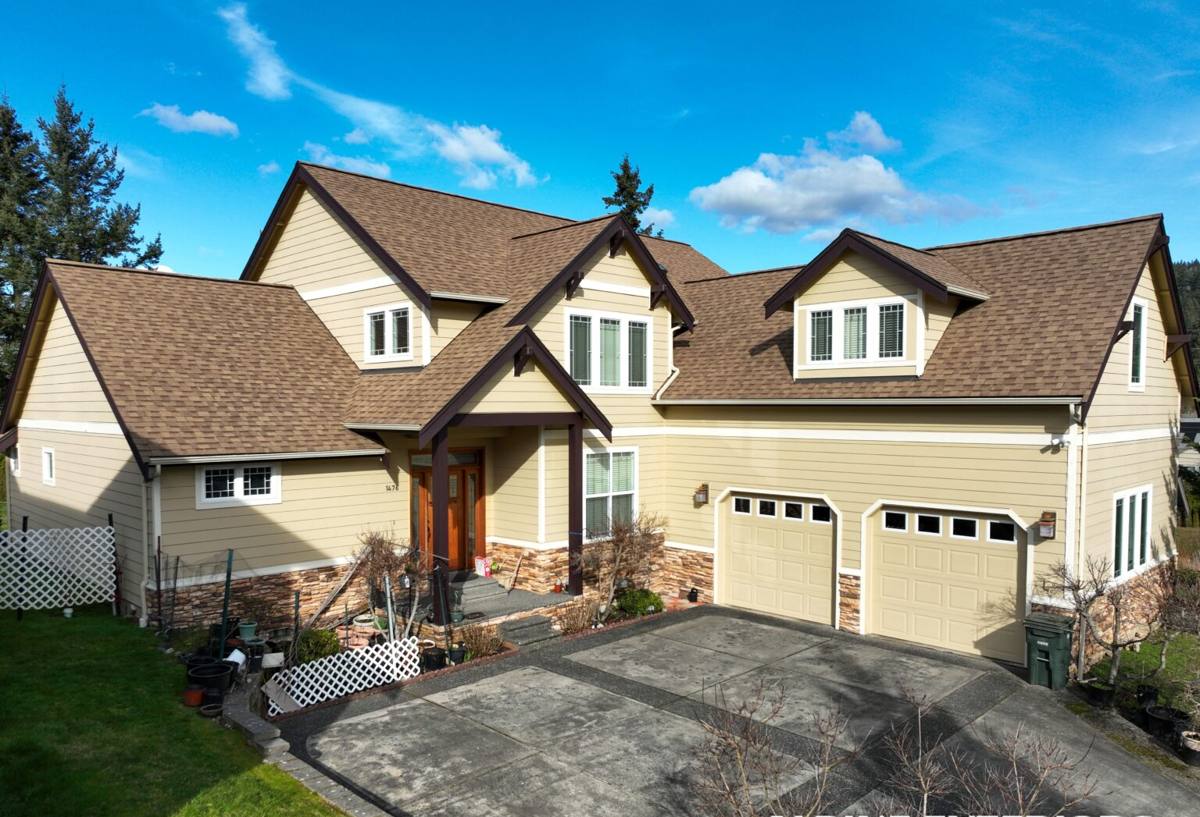
What Salt Air, Rain, and Moss Actually Do to a Deck
Salt Air and Fasteners
Coastal salt air accelerates corrosion in anything metal — nails, screws, joist hangers, bolts. Once a fastener starts rusting, it loses holding strength long before it looks obviously bad. On older decks in this area, we regularly find the wood itself in decent shape but the hardware holding it together badly corroded. That's a repair issue, not a full rebuild issue, but it has to be caught before a board or a railing actually fails.
Driving Rain and Water Intrusion
Rain that hits a deck at an angle finds its way into places vertical rain wouldn't reach — under railing caps, behind ledger board flashing, into end grain on stair stringers. The ledger board (where the deck attaches to the house) is the single most common source of hidden rot we find, because it's an easy spot for water to collect against wood that can't dry out quickly.
Moss and Prolonged Moisture
Moss itself doesn't rot wood, but it does something almost as damaging: it holds moisture against the deck surface long after the rain has stopped and the rest of the yard has dried out. A mossy deck board stays wet for days at a time, which is exactly the condition wood rot needs to take hold. Shaded sections of a deck, and north-facing decks in particular, are where we see this cycle repeat year after year if it isn't addressed.
Signs a Columbia-Area Deck Needs Repair
- Boards that feel spongy, springy, or noticeably softer underfoot in one area
- Green or black moss buildup that returns quickly after cleaning
- Visible rust streaks below joist hangers, screws, or bolts
- Gaps or separation where the deck meets the house (ledger board area)
- Railings or posts that flex or wobble when you lean on them
- Stair stringers with cracking, splitting, or soft spots at the base
- Water pooling on the deck surface instead of draining off
- Fasteners that are visibly rusted, backed out, or missing
- A musty smell coming from underneath the deck
Any one of these on its own might be minor. Several together, especially near the ledger board or stairs, usually means it's time for a proper inspection before it becomes a safety issue.
What a Correct Deck Repair Actually Involves
Deck repair done right isn't just replacing the board that looks bad. A board can rot because of a problem underneath it — a failed flashing detail, a joist that's been absorbing water, a drainage path that got blocked. If we replace the visible symptom and leave the cause, the same spot fails again in a year or two. Our approach starts with figuring out why a section failed, not just patching what's visible.
Structural Inspection First
Before any boards come off, we check the ledger board connection, the condition of the joists and beams underneath, post bases where they meet concrete footings, and the overall attachment to the house. This is where the real structural risk lives, and it's invisible from the top of the deck.
Targeted Replacement
We replace what's actually damaged — individual boards, specific joists, a section of railing, corroded hardware — rather than defaulting to a full teardown when it isn't needed. A well-built deck with isolated rot or hardware failure can often be repaired for a fraction of a full rebuild.
Fastener and Hardware Upgrades
Given the salt air here, we replace corroded fasteners with hardware rated for coastal exposure rather than matching whatever was originally used, especially if the original hardware wasn't corrosion-resistant to begin with.
Drainage and Flashing Corrections
If the root cause was water pooling or a flashing gap at the house, we fix that detail as part of the repair. Otherwise the new wood is on the same clock the old wood was.
Repair vs. Rebuild: How We Help You Decide
| Factor | Leans Toward Repair | Leans Toward Rebuild |
|---|---|---|
| Structural framing (joists, beams, posts) | Solid, no widespread rot | Rot or corrosion in multiple structural members |
| Ledger board condition | Sound, properly flashed | Rotted or improperly flashed at attachment point |
| Extent of damage | Isolated to a few boards or one section | Spread across most of the deck surface |
| Age of the deck | Under 15-20 years, built to a reasonable standard | Original construction is old or was built off-code |
| Hardware condition | Fixable with targeted replacement | Corrosion throughout, connections failing broadly |
Most decks we're called out to in the Columbia area fall on the repair side of this table. Full rebuilds tend to make sense when the structural framing itself has been compromised for years, not when the damage is limited to the surface and hardware.
Choosing Materials for This Climate
What you repair with matters as much as the repair itself. In a salt air, high-rain, moss-prone environment, some choices hold up better than others over the long run.
| Material | Strengths Here | Trade-offs |
|---|---|---|
| Pressure-treated lumber | Rot-resistant core, budget-friendly, easy to repair in sections | Needs regular sealing/staining to perform well in wet climates |
| Cedar | Naturally moisture and insect resistant, ages well aesthetically | Softer wood, requires consistent maintenance to keep that resistance |
| Composite decking | Doesn't rot, low maintenance, resists moss staining better on the surface | Higher upfront cost, some products can trap moisture underneath if airflow isn't right |
| Stainless or coated coastal-rated fasteners | Significantly slower corrosion in salt air than standard hardware | Costs more than standard fasteners, but is the right call for structural hardware here |
We don't push one material over another as a blanket rule — it depends on your budget, how much of the deck needs work, and how much maintenance you want to keep up with. What we do insist on is matching the fastener and hardware grade to the environment, since that's the piece most often under-specified on the original build.
Our Repair Process
- Inspection — we check the full structure, not just the visible surface, including ledger board, framing, posts, and drainage.
- Assessment and plan — we tell you honestly what's failing, why, and what repair scope actually fixes it.
- Repair — targeted replacement of damaged boards, framing, hardware, or railings, plus correction of the underlying cause (flashing, drainage, etc.).
- Finish and protect — sealing or staining exposed wood so the repaired sections hold up as long as the rest of the deck.
- Walkthrough — we go over what we did, what to watch for, and simple upkeep that extends the life of the repair.
Why a Crew That Already Works in Chuckanut Matters
Deck repair advice that works for a dry inland climate doesn't automatically apply here. A crew that regularly works Chuckanut and the Columbia area already knows which details tend to fail first in this environment — the ledger flashing, the shaded north side where moss takes over, the hardware that looks fine but is quietly corroding. That's not a marketing point, it's just what comes from doing this work repeatedly along this stretch of Whatcom County coastline instead of treating every deck as a generic repair.
It also means realistic scheduling. Deck repairs here go better when they're done ahead of the wettest stretch of the year rather than in the middle of it, and a local crew can plan around that instead of working reactively once damage has already worsened.
Keeping a Repaired Deck in Good Shape
A repair holds up longer with a little regular attention, especially in a climate that works against wood and hardware year-round:
- Sweep debris and standing water off the deck surface, especially in shaded areas
- Clean moss off promptly rather than letting it establish and spread
- Re-seal or re-stain wood on the manufacturer's or installer's recommended schedule, not just when it looks faded
- Check the ledger board area and any visible fasteners once a year for early rust or gaps
- Keep gutters and downspouts clear so runoff isn't draining directly onto the deck
None of this is complicated, but skipping it is usually how a small, cheap repair turns into a bigger one a few years later.
Get an Honest Look at Your Deck
If your deck in the Columbia area is showing soft spots, persistent moss, rusted hardware, or anything else on the list above, it's worth getting it looked at before another wet season passes. We'll give you a straightforward assessment of what's actually going on and what it takes to fix it — no pressure, no upsell to a full rebuild you don't need. Use the form below to request a free estimate.