 Chuckanut Exterior
 Windows in Happy Valley Take a Different Kind of Beating
Happy Valley sits close enough to the water and the tree line that its homes deal with a combination most inland Whatcom County neighborhoods don't: salt-laden air moving in off the water, long stretches of driving rain pushed sideways by wind, and a moss season that can run most of the year in shaded, damp spots. None of these things individually destroys a window fast. Together, over years, they find every weak point in old frames, tired seals, and worn caulking.
Salt air is corrosive to metal hardware — hinges, cranks, and screws — long before most homeowners notice anything wrong with the glass itself. Driving rain doesn't just get windows wet; it tests whether flashing and sealant were installed correctly in the first place, because water under pressure will find any gap and work its way behind the trim. And moss doesn't grow on the glass, but it grows in the debris that collects in sills, tracks, and low spots, holding moisture against wood and vinyl surfaces far longer than they were built to tolerate.
If you own a home in Happy Valley, your windows are doing more work than the same windows would in a drier, more sheltered part of the county. That's the lens we use for every replacement job here — not just "does this window look good," but "will this window and this installation hold up to what this specific property actually experiences."
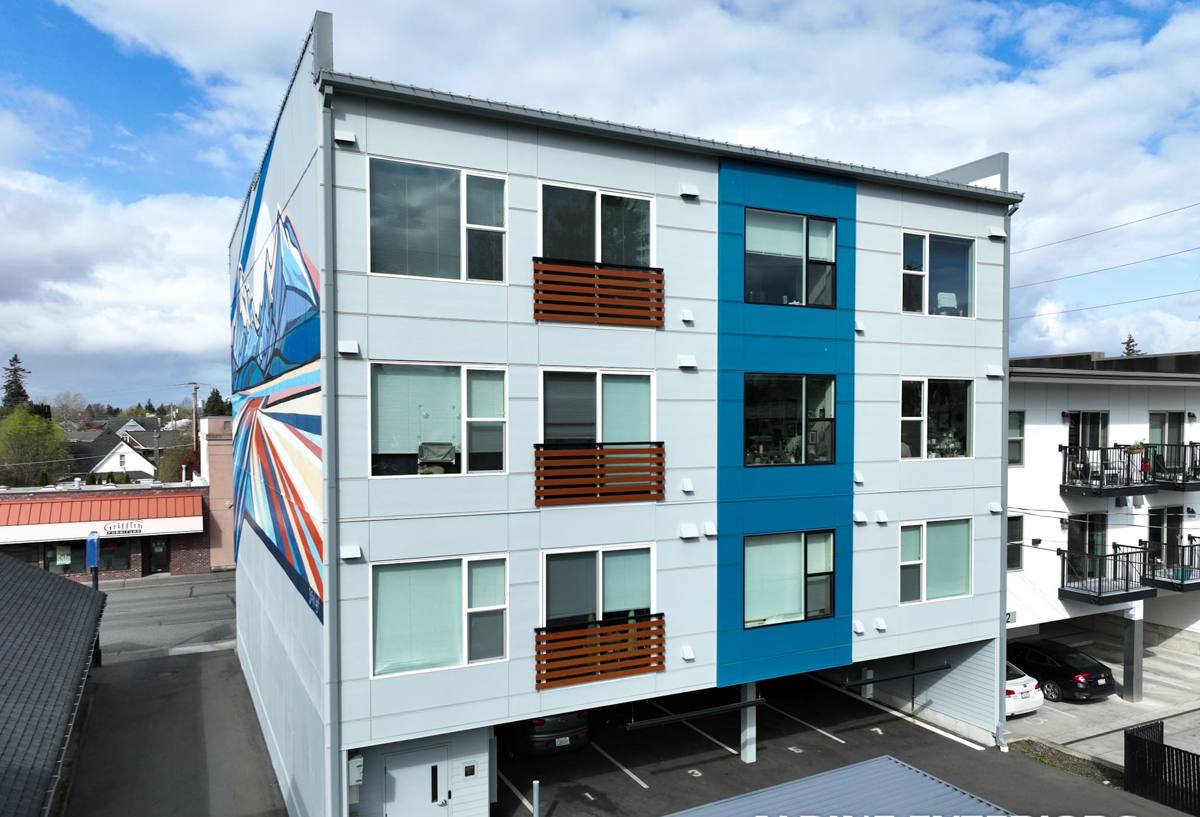
Signs Your Windows Are Ready for Replacement
Window failure in this climate is usually gradual, which means a lot of homeowners live with problems longer than they need to simply because nothing looks dramatically broken. Here's what we actually look for during an inspection:
- Fogging or a persistent haze between panes of double-glazed units — the seal has failed and the insulating gas has escaped
- Soft or discolored wood at the sill or lower frame corners, often hidden under paint that still looks intact from a few feet away
- Hardware that's stiff, corroded, or won't latch fully closed anymore
- Visible daylight or a noticeable draft around the frame when the window is shut
- Moss, algae, or persistent black staining building up in the sill track or exterior trim
- Noticeably higher heating bills in winter with no other explanation
- Condensation forming on the inside of the glass regularly, especially in cooler months
- Paint that keeps failing on the exterior trim around the window no matter how often it's redone
Any one of these on its own might just mean routine maintenance. Several of them together, especially on windows over 20 years old, usually means the window and its installation are past the point where repair makes sense.
What a Correct Window Replacement Job Actually Involves
The window itself only gets part of the credit for how well a replacement performs — the installation is what determines whether that window actually keeps water and air out for the next 20-plus years. In a climate with regular driving rain, installation quality matters more here than it would in a drier region, because there's simply more water pressure testing the work.
Removal and Inspection
Before a new window ever goes in, the old one comes out carefully so we can see the condition of the rough opening, the sheathing, and any existing flashing. This is often where hidden problems show up — soft framing, old failed sealant, or moisture staining that tells us water has been getting in for a while without anyone knowing.
Flashing and Weather Barrier Work
This is the step that gets skipped or rushed on cheap installs, and it's the single biggest factor in whether a window leaks in wind-driven rain. Proper flashing directs water that gets behind the trim back out and away from the wall assembly, rather than letting it pool or soak into framing. We integrate flashing with the house's existing weather-resistive barrier rather than just caulking over gaps and hoping.
Setting, Shimming, and Sealing
The window has to be set plumb, level, and square, shimmed correctly so it isn't under stress that will bind hardware over time, and sealed with materials rated for exterior exposure — not just standard caulk that will crack and shrink within a couple of seasons.
Interior and Exterior Finish
Trim, interior sill work, and exterior cladding around the window get finished so the whole assembly sheds water correctly, with no gaps where moisture — or moss spores — can take hold.
Choosing Window Materials for Coastal Whatcom County Conditions
There's no single "best" window material for every home — it depends on your budget, your home's style, and how much upkeep you want to take on. What we won't do is recommend a product based on price alone without being upfront about the maintenance trade-offs in a salt-air, high-moisture environment.
| Material | How It Handles Salt Air & Moisture | Maintenance | General Cost Position |
|---|---|---|---|
| Vinyl | Won't corrode or rot; performs well in coastal air | Low — occasional cleaning | Most budget-friendly |
| Fiberglass | Very stable in temperature swings and moisture; strong long-term performer | Low | Mid to higher |
| Aluminum-clad wood | Good exterior protection, but hardware and any exposed wood need attention | Moderate — watch seams and joints | Higher |
| Solid wood | Handsome, but most vulnerable to prolonged moisture exposure without diligent upkeep | High — regular painting/sealing | Higher, more upkeep long-term |
For most Happy Valley homes, we steer people toward vinyl or fiberglass for their moisture resistance and low upkeep, especially on elevations that take the brunt of the weather. That's not a knock on wood-framed windows — some homes call for that look — it's just an honest trade-off between appearance and how much maintenance you're signing up for given this specific climate.
Our Window Replacement Process
- On-site assessment — we walk the exterior with you, check each window's condition, and look at how water and wind actually hit the house
- Straightforward proposal — clear scope, materials, and pricing, no pressure to decide on the spot
- Measuring and ordering — precise measurements matter more here since a poor fit means more sealant relied on to compensate
- Installation — removal, flashing, setting, sealing, and finish work done in the sequence that actually keeps water out
- Final walkthrough — we check operation, seals, and finish work with you before we consider the job done
Cost Factors for Window Replacement
Every home is different, so we won't quote a number without seeing the actual windows and openings, but these are the main factors that move the price:
| Factor | Why It Affects Cost |
|---|---|
| Window material | Vinyl, fiberglass, and clad-wood carry different material costs |
| Number and size of openings | More and larger windows mean more material and labor |
| Condition of the rough opening | Rot or water damage found during removal adds repair work before a window can go back in |
| Access and elevation | Second-story or hard-to-reach windows take more time and equipment |
| Existing flashing/weather barrier condition | Older homes may need weather barrier repair or upgrade during the swap |
| Trim and finish scope | Matching existing interior or exterior trim work adds labor |
Broadly, homeowners here should expect window replacement to run from a few hundred dollars per opening for a straightforward vinyl swap up into the low thousands per window for larger openings, premium materials, or jobs that turn up hidden framing repair. A real number only comes from seeing your windows in person.
Why It Matters to Hire a Crew That Already Works in Happy Valley
Windows installed by a crew unfamiliar with coastal Whatcom County conditions often look fine on install day and start showing problems within a few years — usually because the flashing detail or sealant choice wasn't matched to what this environment actually does to a building over time. A crew that regularly works Happy Valley and similar Chuckanut-area properties has already seen how driving rain finds gaps, how salt air ages hardware, and where moss tends to build up and hold moisture against a house. That experience shows up in details a homeowner would never think to ask about — the exact flashing sequence, the sealant rated for the exposure, the drainage path built into the sill.
It also means we're not guessing about product performance in this climate. We've seen which materials and installation approaches hold up here and which ones create callbacks a few years down the road, and we'd rather steer you toward the option that lasts than the one that's easiest to install.
Keeping New Windows Performing Through Moss Season and Beyond
A correctly installed window in the right material will need very little from you, but a bit of seasonal attention extends its life and keeps it looking good:
- Clear debris and moss buildup from sills and tracks a couple of times a year, especially before the wet season sets in
- Rinse salt residue off exterior frames periodically if your home is on an exposed side facing the water
- Check that weep holes (the small drainage openings in the bottom of the frame) stay clear so water can drain out instead of pooling
- Operate hardware occasionally through the year so cranks and latches don't seize up from disuse
- Have caulking and exterior sealant inspected every few years, since even good sealant has a service life
None of this is heavy maintenance — it's the kind of thing that takes an hour or two a year and prevents small issues from becoming expensive ones.
Let's Take a Look at Your Windows
If your windows in Happy Valley are fogging, drafting, sticking, or just showing their age, we're happy to come take a look and give you a straight assessment — no pressure, no sales script. Reach out using the form below to schedule a free estimate.