 Chuckanut Exterior
 Metal Roofing in Larrabee: Built for What This Coastline Actually Does to a Roof
Larrabee sits close enough to the water that salt air is part of daily life, and close enough to the Chuckanut foothills that moisture lingers under tree cover long after a storm passes. That combination is hard on roofing. Asphalt shingles here tend to show granule loss and moss growth years before a manufacturer's warranty runs out, and even good roofs can fail early if they weren't detailed for this specific mix of salt, rain, and shade. Metal roofing, installed correctly, handles all three of those stresses better than most alternatives — but "installed correctly" is doing a lot of work in that sentence, and it's the part that separates a 40-year roof from a 10-year headache.
This page is about metal roofing specifically for homes in Larrabee and the surrounding Chuckanut area of Whatcom County — what the local climate demands, what a correct installation actually involves, and why a crew that already works this stretch of coastline is worth choosing over a general contractor unfamiliar with it.
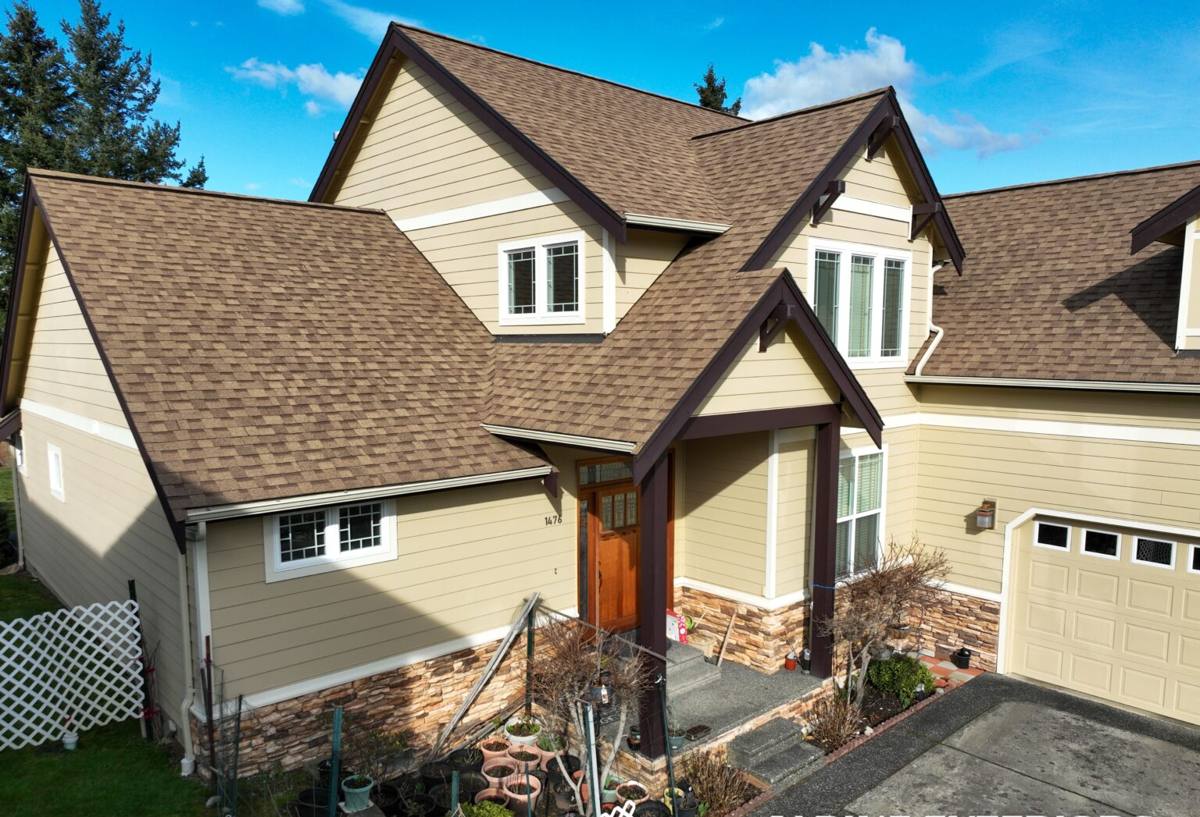
What Larrabee's Climate Does to a Roof
Three environmental factors define roofing performance in this area, and any material or installation choice should be judged against all three:
Salt Air
Proximity to the water means airborne salt settles on every exterior surface, including the roof. Salt accelerates corrosion on unprotected or poorly coated metal, degrades exposed fasteners, and speeds up the breakdown of lower-grade coatings. This is why fastener and coating choice matters more here than it would 30 miles inland.
Driving Rain
Storms off the water frequently come in sideways, not straight down. Wind-driven rain finds its way under improperly lapped panels, undersized flashing, and poorly sealed penetrations. A roof that would shed water fine in a calm rain can leak under Larrabee's typical winter weather if the underlayment and flashing details aren't built for wind-driven moisture.
A Long Moss Season
Tree cover along the Chuckanut foothills keeps many roofs shaded and damp for much of the year, which is ideal growing conditions for moss and algae. On asphalt shingles, moss roots into the granule surface and holds moisture against the deck. Metal doesn't give moss the same foothold, but it isn't immune — panels installed with poor drainage slope or debris-trapping details can still grow moss in shaded valleys and low spots.
Why Metal Roofing Fits This Environment
Metal roofing isn't a fix for every home or budget, but for Larrabee's specific conditions it has real, practical advantages:
- Smooth, hard panel surfaces give moss and algae far less to grip than granulated shingle surfaces
- Properly coated steel or aluminum resists salt-air corrosion far longer than exposed fasteners or bare metal
- Standing seam profiles shed wind-driven rain more reliably than lapped shingle systems, when the laps and seams are run correctly
- Metal sheds heavy rain fast, which matters given how much annual rainfall this area sees
- A well-installed metal roof typically outlasts two or more shingle roof cycles, which matters on a coastal property where re-roofing access and staging aren't always simple
None of that is automatic, though. A metal roof is only as good as its coating, its fastener spec, and the crew's attention to flashing and sealing details. Cheap metal systems installed without those considerations can underperform a well-installed shingle roof.
What a Correct Metal Roof Installation Involves in Larrabee
Material and Coating Selection
Not all metal roofing is equal in a salt-air environment. Bare or lightly coated steel corrodes faster this close to the water. We select panel materials and finishes rated for coastal exposure, and we pay attention to fastener material as well — mismatched metals at the fastener level can cause galvanic corrosion over time, which is a common failure point on roofs installed by crews unfamiliar with coastal conditions.
Underlayment Built for Wind-Driven Rain
Given how often storms here push rain sideways, we don't treat underlayment as an afterthought. A synthetic, high-temperature underlayment with properly lapped and sealed seams is the backup layer that catches what wind forces past the panel laps. Skipping or under-specifying this is one of the most common corners cut on lower-bid roofing jobs.
Flashing and Penetration Detail
Valleys, chimneys, skylights, and vent penetrations are where the overwhelming majority of roof leaks start — on metal roofs just as much as shingle roofs. Correct flashing means properly formed metal flashing (not just sealant) at every transition, with laps oriented to shed water in the direction storms actually come from here.
Fastener Spacing and Panel Attachment
Wind exposure along the Chuckanut coastline means fastener spacing and clip attachment need to match real wind-load conditions, not a generic minimum. Under-fastened panels are a common cause of both leaks and panel lift in wind events.
Drainage and Moss Prevention Detailing
Where tree cover creates shaded, damp roof sections, we pay attention to slope, valley design, and debris shedding so moss and algae have less opportunity to establish, even in areas that stay damp for much of the year.
Metal Roofing Options: A Practical Comparison
Homeowners in Larrabee generally choose between a few metal roofing approaches. Here's how they compare on the factors that matter most in this climate:
| Option | Salt-Air Durability | Wind-Driven Rain Performance | Moss Resistance | Typical Lifespan |
|---|---|---|---|---|
| Standing seam steel or aluminum | Strong, with proper coating | Best of the metal options — concealed fasteners, tight seams | Very good on smooth panel surface | 40-60 years |
| Exposed-fastener metal panels | Moderate — fasteners are the weak point | Good, but relies on gasket integrity at every fastener | Good | 25-40 years |
| Metal shingles/shakes | Good with proper coating | Good, depends on interlock quality | Good | 30-50 years |
| Asphalt shingles (for reference) | Weaker — granule and mat degrade faster in salt air | Adequate when new, degrades with age | Poor — moss roots into granules | 15-25 years locally |
Standing seam systems generally perform best for Larrabee's specific mix of salt exposure and wind-driven rain, which is why we recommend them most often for homes close to the water. Exposed-fastener panels can still be a reasonable, more budget-conscious choice for homes further back from direct salt exposure, as long as fastener quality and maintenance expectations are set correctly.
Cost Factors Homeowners Should Understand
We won't quote a number here that doesn't reflect your specific roof, but the following factors are what actually move the price up or down on a Larrabee metal roofing project:
| Factor | Why It Matters Here |
|---|---|
| Panel material and coating grade | Coastal-rated coatings cost more upfront but resist salt-air corrosion far longer |
| Roof complexity (valleys, dormers, penetrations) | Every valley and penetration is a flashing detail that takes labor and materials to do right |
| Tear-off vs. overlay | Full tear-off lets us inspect and repair the deck underneath, which matters on roofs that have held moisture under moss for years |
| Access and staging | Tree cover, steep driveways, and site access around Chuckanut properties can affect labor time |
| Fastener and flashing spec | Coastal-grade fasteners and properly formed flashing cost more than generic hardware, but they're the difference-maker in salt air |
Our Process for Larrabee Metal Roofing Projects
- On-site inspection: We look at your existing roof deck, ventilation, moss and moisture patterns, and exposure to prevailing wind and salt air before recommending anything.
- Honest material recommendation: We'll tell you which metal option fits your home, your budget, and your specific site conditions — not just the option with the best margin.
- Deck inspection and repair: On tear-off projects, we check the deck for rot or moisture damage before any new roofing goes down. Roofing over a compromised deck just hides the problem.
- Correct underlayment and flashing installation: This is where most of the long-term performance is actually decided, and it's not visible once the job is done — which is why the crew's discipline here matters more than the panel brand.
- Final walkthrough: We review the completed roof with you, including maintenance expectations specific to a metal roof in a salt-air, high-moss environment.
Maintenance: What a Metal Roof Still Needs in This Climate
Metal roofing reduces maintenance compared to shingles, but it doesn't eliminate it. In Larrabee's conditions, we recommend:
- Periodic gutter and valley clearing, since shaded areas still collect needles and debris that can trap moisture against panel seams
- Visual inspection after major windstorms to check for any lifted panels or fastener issues
- Prompt attention to any scratched or damaged coating, since exposed bare metal in salt air corrodes faster than intact coated surfaces
- Keeping overhanging branches trimmed back where practical, to reduce shade-driven moisture retention and debris buildup
Why Hire a Crew That Already Works Larrabee
A lot of roofing failures we get called out to inspect weren't caused by bad materials — they were caused by a correct-on-paper installation that didn't account for local conditions. A crew that hasn't worked this stretch of Whatcom County coastline may not think twice about fastener grade, flashing orientation relative to prevailing storm direction, or moss-prone valley design, because those aren't universal concerns — they're specific to homes exposed to salt air, wind-driven rain, and heavy tree cover at the same time.
We work on homes throughout Chuckanut and the surrounding Whatcom County area, and we build every metal roofing project around the conditions this specific coastline creates, not a generic installation spec. That's the difference between a metal roof that looks right for a few years and one that actually holds up for decades in Larrabee's weather.
If you're weighing a metal roof for your Larrabee home, we're happy to take a look and give you a straight, no-pressure assessment of what your roof actually needs. Use the form below to request a free estimate.