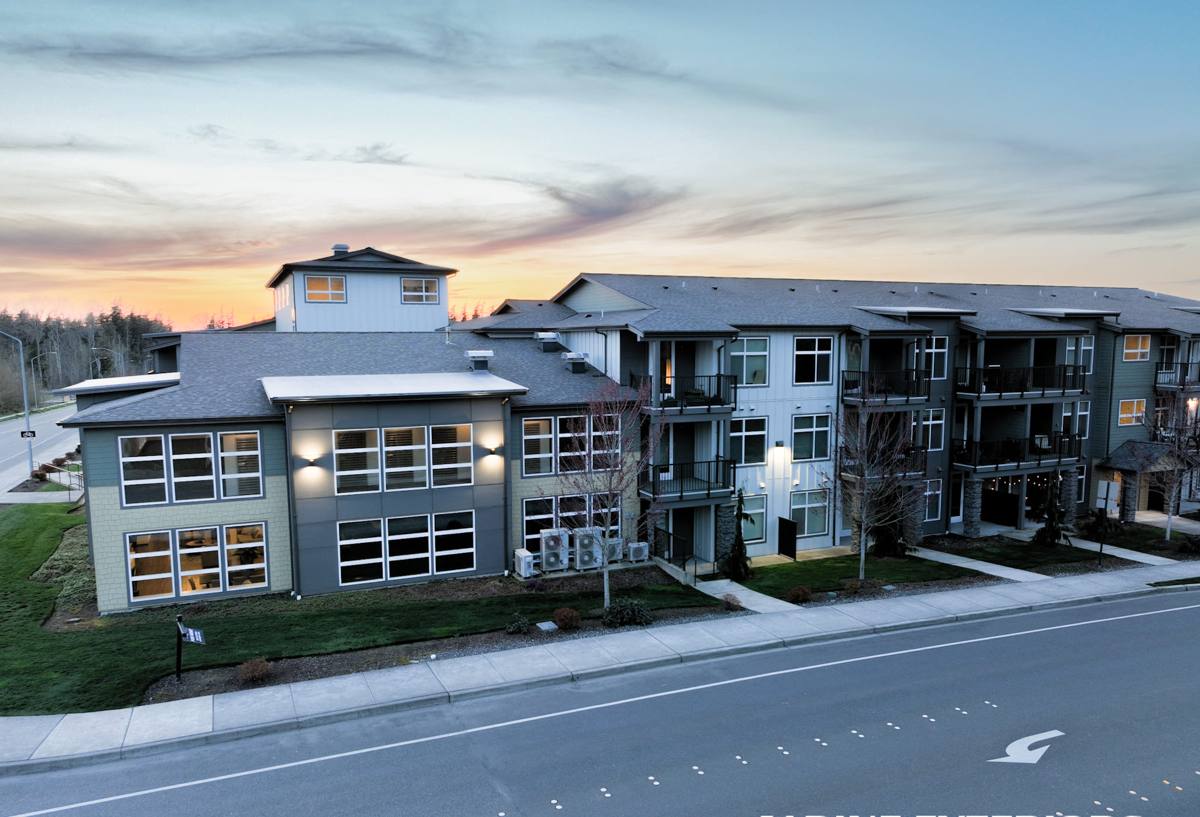
 Chuckanut Exterior
 Sedro-Woolley Roofs Work Harder Than Most People Realize
Homes in Sedro-Woolley sit in one of the wetter, greener corners of the state, and the roof over your head is the single component doing the most to keep it that way inside your walls instead of soaking into them. Between the long stretches of steady rain, the humidity that settles into the Skagit Valley off the surrounding hills and water, and the salt-tinged marine air that moves in from the greater Whatcom and Skagit corridor, a roof here is under nearly constant low-grade attack. None of it is dramatic on any given day. It's the accumulation that gets homeowners — years of moisture cycling into shingles, algae and moss finding a foothold in shaded valleys and north-facing slopes, and fasteners and flashings slowly corroding in salt-laced air.
A new roof installation done right in this area isn't just about swapping old shingles for new ones. It's about building a roof system that's specifically suited to sit under that kind of weather for the next two to four decades without needing constant babysitting.
Signs a Sedro-Woolley Home Needs Replacement, Not Another Repair
Repairs make sense when a roof has years of usable life left and the problem is isolated. Replacement makes sense once the roofing material itself, not just one flashing or one shingle, has reached the end of what it can do. Here's what we look for when we're deciding which category a roof falls into.
- Granule loss heavy enough that you're finding grit in gutters and downspouts every time it rains
- Shingles that are cupping, curling at the edges, or cracking when walked on
- Moss established in mats rather than a light surface dusting, especially on north- and shade-facing slopes
- Soft or spongy decking felt underfoot during inspection, a sign moisture has reached the plywood or OSB
- Daylight visible through the roof deck from inside the attic
- Repeated leaks in different spots each season rather than one recurring trouble area
- A roof original to a home built more than 20-25 years ago, regardless of how it looks from the ground
If two or more of these apply, a new installation is usually the more honest recommendation than another round of patching — patch work on a roof that's already failing underneath just delays the real cost and lets hidden moisture do more damage to the deck and framing in the meantime.
What a Correct New Roof Installation Actually Involves
It Starts Underneath, Not on Top
The shingles or panels you see are the last layer installed and the least important one for actually keeping water out. What happens underneath determines whether the roof performs in a climate like this one. A correct tear-off exposes the full deck so it can be inspected board by board — any soft, delaminated, or water-stained sheathing gets replaced before anything new goes down. Skipping this step to save time is the single most common shortcut that turns into an expensive problem within a few years.
Underlayment and Water-Entry Points
Given how much rain this area sees, we treat underlayment as a real second line of defense, not a formality. That means synthetic underlayment across the field of the roof and self-adhering ice-and-water membrane at the eaves, valleys, and any roof-to-wall transitions — the spots where wind-driven rain and standing water are most likely to find a way in. Flashing around chimneys, skylights, and vent penetrations gets replaced, not reused, since old flashing is one of the most common sources of slow leaks that get blamed on the shingles instead.
Ventilation, Not Just Coverage
A roof that's sealed tight but not breathing properly traps moisture in the attic, which shortens the life of the decking and the new roofing material from underneath — often faster than weather does from above. Balanced intake and exhaust ventilation is part of a correct installation, not an upsell.
Roofing Materials: What Actually Holds Up Here
There's no single "best" material for every home — it depends on the roof's pitch, sun and shade exposure, and what the homeowner wants to maintain over time. What matters for Sedro-Woolley specifically is how a material handles sustained moisture and moss pressure, since that's the local stress test almost every roof eventually fails somewhere.
| Material | Moisture & Moss Resistance | Typical Lifespan | Best Fit |
|---|---|---|---|
| Architectural (laminate) asphalt shingles | Good, especially with algae-resistant granules | 25-30 years | Most homes; best balance of cost and performance |
| 3-tab asphalt shingles | Fair; wears faster under constant moisture | 15-20 years | Budget-driven projects, lower-slope exposure areas |
| Standing seam metal | Excellent; sheds water and resists moss growth | 40-50+ years | Steep or shaded roofs, long-term owners |
| Synthetic/composite shingles | Very good; consistent performance in wet cycling | 30-40 years | Homes wanting a wood or slate look without the upkeep |
We steer most Sedro-Woolley homeowners toward algae-resistant shingle lines or metal on shaded, north-facing roof planes in particular — those are the sections that stay damp longest after a rain and moss the fastest. It's a maintenance decision, not a brand preference: less moss means fewer trips up a ladder and less risk of granule and membrane damage from scrubbing it off later.
Our Installation Process
- On-site inspection and estimate — we look at the existing roof, attic ventilation, and any problem areas before quoting anything, so the number you get reflects your actual roof, not a generic average.
- Material selection — we walk through the options above based on your roof's exposure, your budget, and how much moss and moisture resistance matters for that specific roof.
- Full tear-off and deck inspection — every layer of the old roof comes off so the deck can be checked and any damaged sections replaced.
- Underlayment and flashing installation — synthetic underlayment, ice-and-water membrane at vulnerable points, and new flashing throughout.
- Ventilation check and correction — intake and exhaust balanced to current standards, not just left as-is from the old roof.
- New roofing material installed — following manufacturer specifications for fastening and exposure, which is what keeps a warranty valid.
- Cleanup and final walkthrough — site cleared of debris and nails, and we go over the finished roof with you before calling the job done.
Cost Factors Homeowners Should Understand
Every roof is priced individually, but the variables that move the number the most are consistent. Understanding them helps you compare quotes honestly instead of just comparing bottom-line totals, which can hide very different scopes of work.
| Factor | Why It Matters |
|---|---|
| Roof size and number of planes | More square footage and more complex geometry mean more material and labor time |
| Pitch and accessibility | Steep or hard-to-access roofs take longer and require more safety setup |
| Deck condition | Rotted or soft sheathing found during tear-off adds material and labor to replace it |
| Material choice | Asphalt, synthetic, and metal all sit at different price points and labor requirements |
| Layers being removed | Tearing off multiple existing layers costs more than removing one |
| Ventilation and flashing work | Bringing an older roof's ventilation and flashing up to current standards is part of doing it right, not an optional add-on |
Be cautious of any quote that's dramatically lower than the others for the same scope — it usually means underlayment, flashing, or deck repair is being left out, and those are exactly the details that determine whether a roof lasts 10 years or 30 in this climate.
Why It Matters That We Already Work in Sedro-Woolley
A roofing crew that regularly works Sedro-Woolley and the surrounding Skagit and Whatcom county area isn't guessing at how a roof will hold up here — we've seen how different materials and details actually perform through repeated wet seasons in this specific climate, not just on paper. That shows up in small but important decisions: which roof planes to prioritize for algae-resistant materials, where ice-and-water membrane earns its keep, and how much ventilation a given attic actually needs given the humidity this region holds onto for months at a time. A crew unfamiliar with the area is more likely to install a roof that's technically correct in general but not tuned for the conditions it actually has to survive here.
Local also means accountability. We're not driving in from out of the region for one job and disappearing — if something needs attention after installation, we're a short drive away, not a phone number that stops getting answered once the invoice is paid.
After Installation: Keeping a New Roof Performing
A correctly installed roof still benefits from basic upkeep in a climate like this one. Keeping gutters clear so water isn't backing up under the eaves, having moss addressed early with proper treatment rather than aggressive scraping, and getting a periodic visual check after major storms will help any of the materials above reach the upper end of their expected lifespan rather than the lower end.
If your roof is showing its age or you're just weighing whether repair or replacement makes more sense for your home, we're happy to take a look and give you a straight answer. Use the form below to request a free, no-pressure estimate for your Sedro-Woolley property.