 Chuckanut Exterior
 Why Window Installation in Sehome Is Its Own Job
Sehome sits close enough to the water and the tree canopy that its windows take a different kind of beating than homes further inland. You've got salt-laden air moving in off the bay, driving rain that comes sideways during winter storms, and enough shade and moisture around many lots to keep moss and algae established most of the year. None of that is unusual for Whatcom County, but it does mean a window installed with generic, one-size-fits-all techniques will show its age faster here than it would in a drier climate.
We install windows across the wider Chuckanut area, and Sehome jobs come with a consistent pattern: homes with mixed vintages, a lot of original wood-frame windows still in service, and owners who are more interested in a window that will actually hold up than in whatever's cheapest at a big-box store. This page covers what that actually takes.
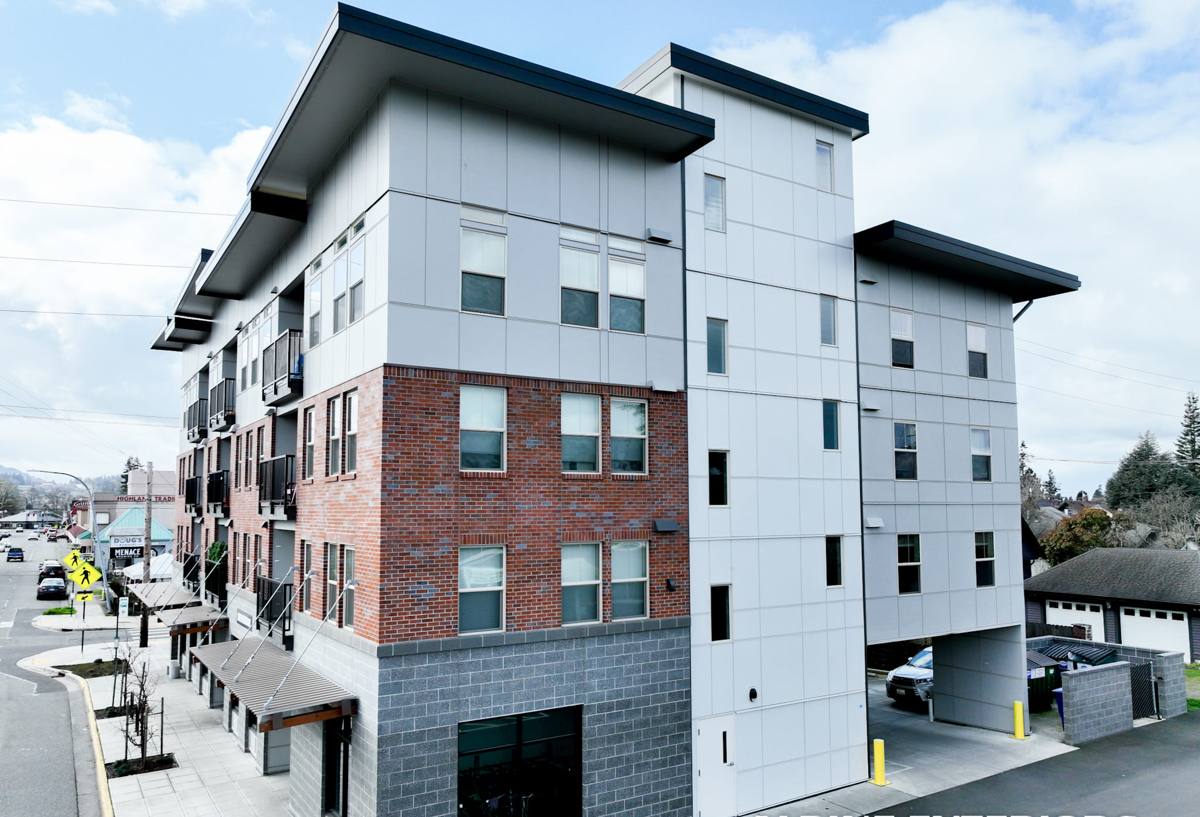
What Salt Air, Rain, and Moss Do to a Window Over Time
Salt Air and Hardware
Salt in the air accelerates corrosion on anything metal — hinges, cranks, balance springs, and screws. On an aluminum-frame window this can eventually affect the frame itself. It's one of the reasons we steer most Sehome customers toward vinyl or fiberglass frames with corrosion-resistant hardware rather than bare aluminum, especially on homes with a clear line of sight to the water.
Driving Rain and Water Intrusion
Wind-driven rain doesn't just sit on a window and run off — it gets pushed sideways and upward, testing every seam. A window that's watertight in a light shower can still leak during a real Pacific storm if the flashing and sill pan weren't detailed correctly. Most of the "mystery leaks" we get called out for in this area trace back to installation shortcuts, not a bad window unit.
Moss, Algae, and Trim Rot
Shaded, damp conditions around many Sehome lots keep moss and algae growing on siding and trim well into the year. Where that growth sits against wood trim or an under-sealed window frame, it holds moisture against the wood and speeds up rot. Good installation practice accounts for this by keeping water moving away from the frame instead of letting it pool or wick.
Signs Your Windows Are Losing the Fight
- Soft or discolored wood trim around the window frame, especially at the bottom corners
- Fogging or moisture between panes on double-pane units — a sign the seal has failed
- Visible daylight or a noticeable draft when the window is fully latched
- Paint or caulk that's cracked, peeling, or missing along the frame's edge
- Windows that are difficult to open, close, or lock — often a sign the frame has shifted or swollen
- Moss or dark streaking building up directly on or below the sill
Any one of these on its own isn't necessarily an emergency, but a home with several of these signs at once usually has more going on behind the trim than what's visible from outside.
What a Correct Installation Actually Involves
Swapping an old window for a new one sounds simple, but the parts that actually determine whether the window holds up in this climate happen before the new unit ever goes in the opening.
Sill Pan and Flashing
A sloped sill pan under the window gives any water that gets past the glass a path back outside instead of into the wall cavity. Flashing tape integrated with the weather-resistive barrier, lapped correctly top to bottom, is what actually keeps driving rain out — the window unit itself is only one part of the system.
Sealing and Insulation
Gaps around the frame need to be sealed with the right material — typically a low-expansion foam or backer rod and sealant, not just caulk smeared around the trim. Overfilled or underfilled gaps both cause problems: too little insulation leaves cold spots and condensation risk, too much foam can bow the frame and affect operation.
Exterior Trim and Drainage
The finish work around the window needs to shed water, not trap it. That means proper caulking joints, back-priming any wood trim before installation, and leaving the right drainage paths at the sill so moisture doesn't sit against the frame — which matters more here than in drier parts of the state given how long things stay damp through the fall and winter.
Choosing a Frame Material for This Climate
| Frame Material | Salt Air Behavior | Maintenance | Typical Fit |
|---|---|---|---|
| Vinyl | Doesn't corrode; performs well near the water | Low — occasional cleaning | Most Sehome homes, especially budget-conscious replacements |
| Fiberglass | Excellent — very stable, resists corrosion and expansion | Low | Homes wanting longer service life or larger window sizes |
| Wood-clad | Fine if cladding is intact; exposed wood needs upkeep | Higher — trim and cladding need periodic inspection | Homes matching an existing wood-window look |
| Aluminum | Most vulnerable to salt corrosion over time | Moderate to high near the water | Generally not our first recommendation for this area |
We don't push one brand or material on every job. The right call depends on the home's exposure, the existing trim, and what the owner actually wants to maintain over the next 15-20 years.
Glass and Performance Choices That Matter Here
In a climate with as much overcast and moisture as Whatcom County gets, two glass factors matter more than most homeowners expect:
- Low-E coatings help manage heat loss through our long, mild-but-cold winters without darkening the room noticeably
- Argon or krypton gas fill improves insulation value between panes, which also reduces the interior condensation you'll notice on cold, damp mornings
- Warm-edge spacers around the glass reduce cold spots at the edge of the pane, which is usually where condensation and eventual seal failure start
None of this needs to turn into a confusing spec sheet. We'll walk through the two or three options that actually make sense for your home rather than every combination a manufacturer offers.
How We Handle a Sehome Window Job
- On-site assessment of existing windows, trim condition, and any signs of water intrusion or rot
- Honest recommendation on repair versus full replacement, window by window
- Written estimate with frame material, glass package, and installation scope spelled out plainly
- Removal of old units with care to expose and inspect the framing and sheathing underneath
- Correct sill pan, flashing, and weather barrier integration before the new window goes in
- Proper sealing, insulation, and interior/exterior trim finish work
- Final walkthrough and operation check on every window installed
We schedule around the weather where we can, since a rushed installation during a heavy rain event is exactly how corners get cut. Whatcom County's wet season means we plan installs with that in mind rather than working around it after the fact.
What Affects the Cost of a Window Installation
| Factor | Why It Matters |
|---|---|
| Number and size of windows | Larger openings and full-home jobs have different labor and material needs than a single replacement |
| Frame material | Vinyl, fiberglass, and wood-clad carry different material costs and long-term maintenance |
| Extent of trim or rot repair | Homes with water damage around the opening need that addressed before the new window goes in |
| Access and home layout | Second-story or hard-to-reach windows take more time and equipment |
| Glass package | Low-E coatings and gas fills add cost but improve comfort and reduce condensation |
Costs vary enough by home that we don't quote sight unseen — but we'll always give a straight number in writing before any work starts, with no pressure to upgrade beyond what actually makes sense for your house.
Why a Crew That Already Works Sehome Matters
Sehome isn't a huge area, but it has a real mix of home ages and construction types, and we've spent enough time working on houses in and around Chuckanut to know what tends to show up once trim comes off — where rot likes to hide, which window styles hold up against driving rain, and how much moss buildup is normal seasonal grime versus a sign of a bigger moisture problem. That local pattern recognition is the difference between a crew that installs windows and a crew that installs windows correctly for this specific climate.
It also means we're not guessing at permit requirements or typical construction details for homes in this part of Whatcom County — we've already done that work on other jobs nearby.
After Installation: Keeping Windows Performing Long-Term
A correctly installed window still benefits from basic upkeep in a climate like this. Rinse accumulated salt residue and grime off frames and glass periodically, keep moss and organic debris cleared from sills and adjacent trim, and check caulking lines once a year for cracking or gaps. None of this is complicated, but skipping it is how a well-installed window ends up looking like a poorly-installed one after a few winters.
If you're weighing whether it's time to replace aging windows or just want a straight opinion on what's going on with your current ones, we're happy to take a look. Reach out for a free, no-pressure estimate using the form below — we'll tell you what your home actually needs, not what's easiest to sell.