 Chuckanut Exterior
 New Roof Installation for Silver Beach Homes
Silver Beach sits close enough to the water that salt air is a daily fact of life, not an occasional nuisance. Combine that with the driving, sideways rain that rolls in off Bellingham Bay and the long, damp stretch of the year when moss has every advantage it needs to take hold, and you have a roofing environment that punishes shortcuts. A roof that's correctly installed for this specific setting will outlast one that was built to a generic spec by a decade or more. A roof that isn't will show it early — usually starting at the edges, the valleys, and anywhere two roof planes meet.
This page is about one thing: what a full roof replacement should look like for a Silver Beach home, and why the details matter more here than they would somewhere drier and further inland.
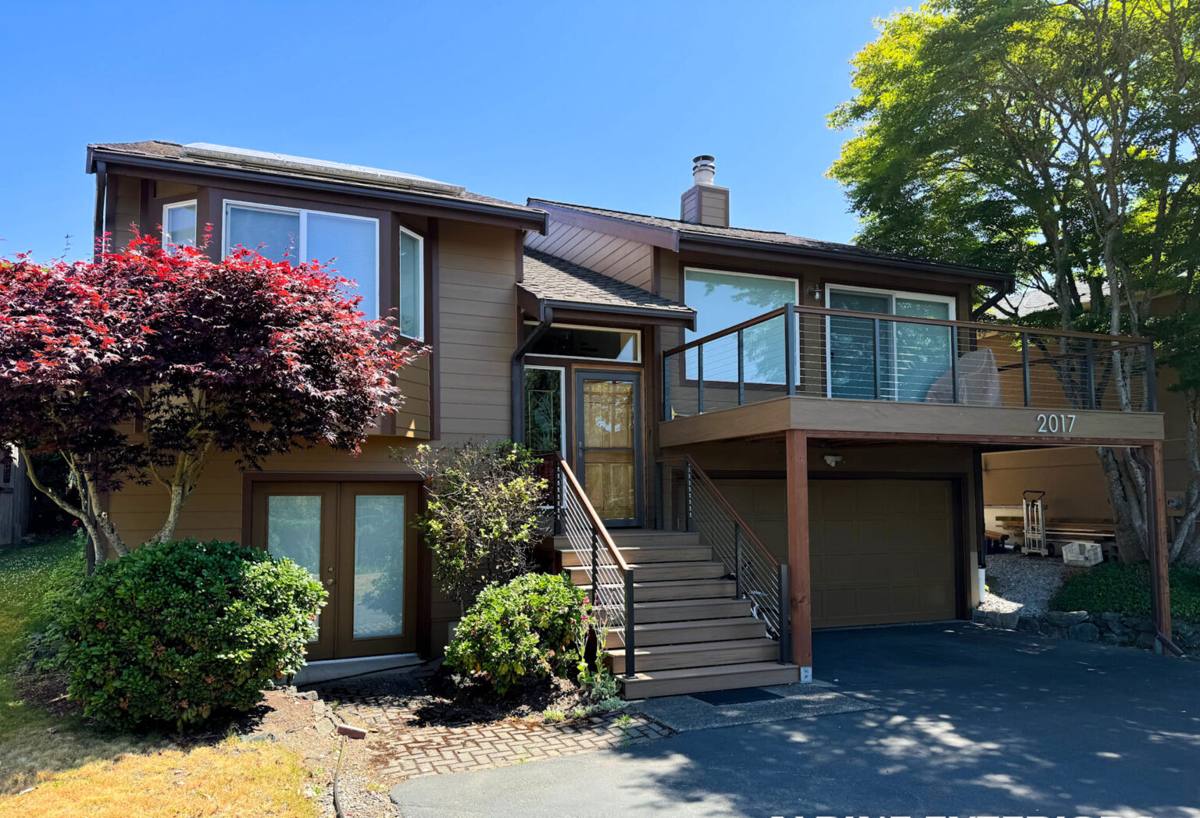
What Silver Beach's Climate Actually Does to a Roof
Whatcom County doesn't get the kind of extreme heat that bakes asphalt shingles in some parts of the country, but it makes up for that with sheer duration of moisture exposure. A roof here spends a huge share of the year wet, humid, or shaded and damp, which changes what actually fails first.
- Salt-laden air accelerates corrosion on exposed metal — flashing, fasteners, vents, and gutter hardware — faster than it would a few miles inland.
- Driving, wind-blown rain pushes water sideways and upward under shingle tabs and around penetrations, which is why underlayment and flashing detail matter as much as the shingles themselves.
- Extended moss and moisture season means algae and moss get a running start every year, especially on north-facing slopes and anywhere tree cover keeps a section of roof shaded.
- Wind off the water tests shingle sealing and edge fastening in ways a sheltered inland roof never experiences.
None of this means Silver Beach needs exotic materials. It means the installation has to account for these conditions on purpose, rather than assuming a standard install will hold up the same way it would somewhere drier.
Why Moss Is More Than Cosmetic
Moss doesn't just look bad. It holds moisture against the roof surface long after the rest of the roof has dried out, and its root structure works into shingle granules and seams over time. On an older roof, moss along the ridge or in shaded valleys is often the first visible sign that moisture is getting a foothold underneath, not just on top.
Signs a Silver Beach Roof Needs Full Replacement, Not Another Repair
Repairs make sense for isolated damage — a storm-damaged section, a single failed flashing point, a small leak with a clear cause. Full replacement becomes the honest answer when the problems are spread across the roof or point to underlying failure rather than a one-off issue.
- Granule loss visible in gutters or at downspouts, especially on a roof more than 15-20 years old
- Shingles that are curling, cupping, or losing their seal in multiple areas, not just one
- Persistent moss or algae staining that comes back within a season of cleaning
- Soft spots in the decking, found either from the attic side or by walking the roof
- Daylight visible through the roof deck from inside the attic
- Repeated leaks in different spots after prior patch repairs
- Flashing that's rusted, lifted, or was never properly integrated with the roofing material
If a roof is showing two or more of these at once, patching individual spots usually ends up costing more over a few years than doing the job right once.
What a Correct Installation Includes
A new roof is really a system, and every layer of that system has a job to do in this climate. Skipping or downgrading any one of them is where premature failures come from.
Tear-Off and Deck Inspection
We remove the existing roofing down to the deck rather than installing over old layers. That's the only way to actually see the condition of the sheathing underneath — soft, delaminated, or water-stained decking has to be replaced before anything new goes on top of it, and you can't know it's there without pulling the old roof off.
Underlayment and Water Barrier
Given how much wind-driven rain this area sees, we pay particular attention to underlayment coverage and to ice-and-water barrier at the eaves, valleys, and any low-slope transitions. This is the layer that protects the deck if wind ever pushes water past the shingles, and it's not optional in a coastal wind-and-rain climate.
Flashing at Every Penetration and Transition
Chimneys, vents, skylights, and roof-to-wall junctions are where the large majority of roof leaks actually start — not in the open field of shingles. Correctly formed and integrated flashing, using corrosion-resistant materials given the salt air, is one of the details that separates a roof that lasts from one that doesn't.
Ventilation
Balanced intake and exhaust ventilation keeps the attic dry and temperature-stable, which matters for two reasons here: it reduces condensation buildup during our long damp stretches, and it helps the roof deck and shingles perform the way they're rated to. A roof installed without adequate ventilation can fail early even if every other component was done well.
Fastening and Wind Resistance
Proper nail placement and count — not staples, not high-nailing to save time — is what keeps shingles sealed down through winter windstorms coming off the water. This is a detail that's invisible once the roof is finished but shows up the first time a strong gust tests it.
Material Options for a Silver Beach Roof
There isn't one right material for every home — it depends on the roof's exposure, the home's style, and the budget. Here's how the common options compare for this specific climate.
| Material | How It Handles Salt Air & Rain | Moss Resistance | Typical Lifespan Here |
|---|---|---|---|
| Architectural asphalt shingle | Good, with proper flashing and ventilation | Moderate — benefits from algae-resistant granules | 20-30 years |
| Standing seam metal | Very good when properly coated and fastened; watch for galvanic corrosion at dissimilar metals | High — sheds moisture quickly | 40-50+ years |
| Composite/synthetic shingle | Good; resists moisture absorption well | Moderate to high depending on product | 30-50 years |
| Cedar shake | Requires diligent maintenance in this moisture level to avoid rot | Low without regular treatment | Varies widely with upkeep |
We're candid with clients about cedar shake in particular: it can look great, but in a climate this wet it demands a level of ongoing maintenance — cleaning, treating, monitoring for rot — that a lot of homeowners don't want to sign up for long-term. That's a maintenance-burden conversation, not a knock on the material itself, and we'll walk through it honestly if it's on your shortlist.
Our Process for a Silver Beach Roof Replacement
- On-site assessment — we walk the roof and check the attic, noting exposure to wind and salt air, moss patterns, ventilation, and deck condition.
- Written estimate — a clear scope covering materials, tear-off, deck repair contingencies, flashing, and ventilation, so there are no surprises mid-project.
- Material selection — we talk through the options above against your budget and how long you plan to stay in the home.
- Tear-off and deck repair — old roofing removed, deck inspected, any damaged sheathing replaced before moving forward.
- Underlayment, flashing, and roofing installation — installed in the sequence and detail described above, built for this climate specifically.
- Final walkthrough — we review the finished roof with you, including ventilation and any maintenance notes specific to your property's exposure.
Why Local Experience in Silver Beach Matters
A crew that only occasionally works this close to the water can miss the details that matter most here — using the wrong flashing metal for a salt-air environment, underestimating how much wind-driven rain a valley needs to shed, or not accounting for how much shade and moisture a particular lot gets off the tree line. Crews who work Whatcom County's coastal neighborhoods regularly build these considerations into the job by default, because they've seen what happens when they're skipped.
That local pattern-recognition doesn't show up on a spec sheet, but it shows up in how long the roof actually lasts.
Simple Maintenance That Extends the Life of a New Roof
- Clean gutters and downspouts at least twice a year so water isn't backing up under the roof edge
- Trim back tree limbs that shade sections of the roof and keep them damp longer than the rest
- Have moss growth removed promptly rather than letting it establish through a full season
- Schedule a roof check after any major windstorm to catch lifted shingles or flashing early
- Keep an eye on attic ventilation — blocked vents undo a lot of the protection a new roof provides
If your Silver Beach roof is showing its age or you're planning ahead rather than waiting for a leak, we're glad to come take a look. The estimate is free, there's no pressure attached to it, and you'll get a straight answer about whether repair or full replacement makes sense for your home — just fill out the form below to get started.