 Chuckanut Exterior
 Why Window Performance Is Different in York
Homes in the York area of Chuckanut sit close enough to the water and the weather patterns off Bellingham Bay that windows take a different kind of beating than they would further inland. It isn't just about keeping heat in during the winter, though that matters plenty here in Whatcom County. It's about frames, glass, and seals that have to hold up against salt-laden air, wind-driven rain that hits glass sideways instead of straight down, and long stretches of damp, shaded weather that let moss and algae get a foothold on anything that stays wet too long. A window that's "energy-efficient" on paper but wasn't built or installed with those conditions in mind won't stay efficient for long.
We treat energy-efficient window work in York as a climate problem first and a comfort upgrade second. Get the moisture management and material choices right, and the energy savings follow naturally. Skip that step, and you end up with fogged glass, swollen sashes, or corroded hardware well before the window's rated lifespan is up.
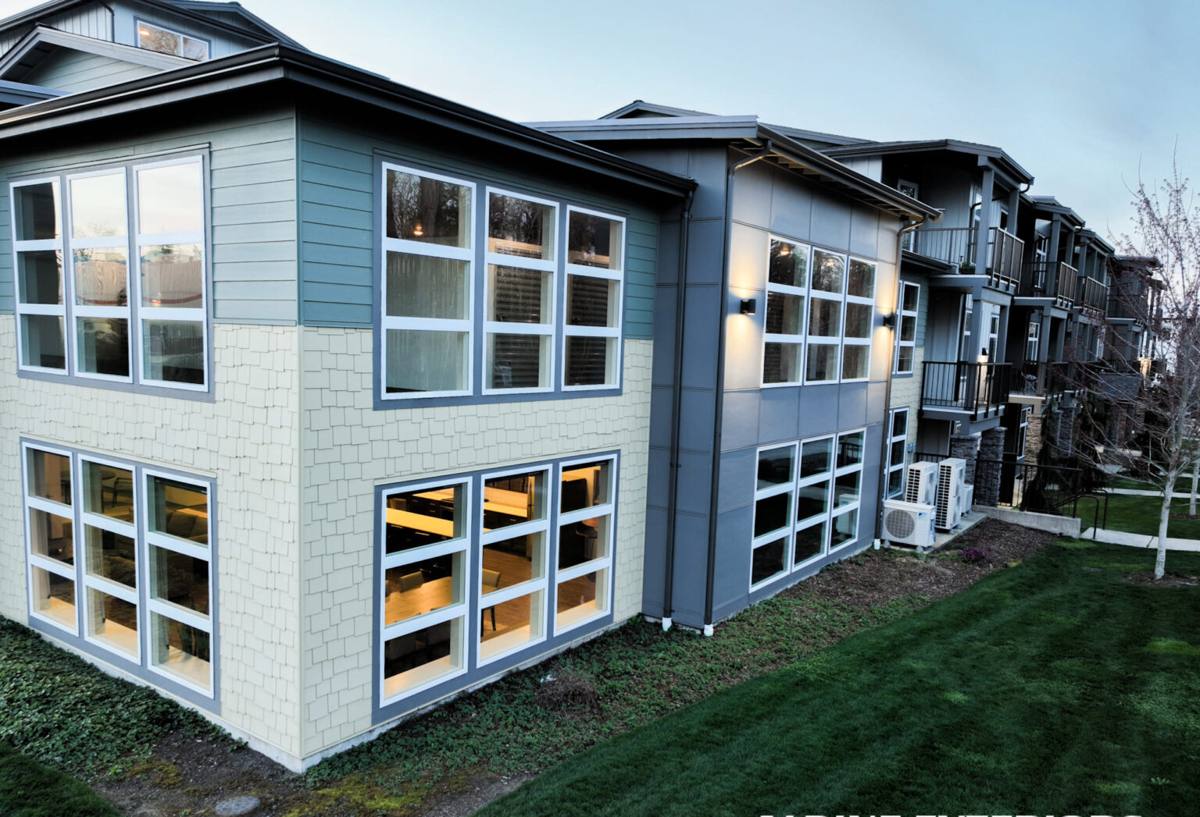
What Chuckanut's Weather Actually Does to Windows Over Time
Salt Air and Hardware Corrosion
Airborne salt from the Sound doesn't need to be a strong smell for it to matter — it settles on metal surfaces, works into small gaps, and speeds up corrosion on hinges, locks, balance mechanisms, and screen frames. Aluminum components and lower-grade fasteners are the first to show pitting or stiffness. This is a slow process, so it's easy to miss until a window won't latch properly or a slider starts binding.
Driving Rain and Water Intrusion
Storms coming off the water tend to push rain at an angle rather than straight down, which puts real pressure on the seams around a window rather than just the glass. A window that would be fine in a calmer inland setting can leak here if the flashing, sill pan, or sealant wasn't detailed for wind-driven water. Once water gets behind the trim, the damage is often happening inside the wall before it ever shows up as a stain.
Moss and Algae During the Long Wet Season
Shaded exposures and extended damp stretches let moss and green algae establish on sills, tracks, and exterior trim. Beyond the cosmetic issue, moss holds moisture against wood and vinyl surfaces far longer than open air would, which shortens the life of caulking and paint and can contribute to rot around older wood-framed units.
What "Energy-Efficient" Actually Means Here
Energy-efficient windows are rated using a few standard numbers, and in a heating-dominated climate like Whatcom County, two of them matter most:
- U-factor — measures how well the window resists heat loss. Lower is better for our winters.
- Solar Heat Gain Coefficient (SHGC) — measures how much solar heat passes through the glass. In this region, a moderate SHGC is usually the right balance, since some passive solar warmth is welcome but excess glare and summer overheating on south-facing walls should still be avoided.
- Air leakage rating — lower numbers mean a tighter seal against wind-driven drafts, which matters more here than in calmer inland spots.
Washington's state energy code sets minimum performance requirements for replacement windows, and any legitimate installer working in York should be able to show you the NFRC label on the units they're proposing and explain how those numbers were chosen for your specific exposure — south wall, north wall, or a wind-exposed elevation each call for slightly different priorities.
Choosing the Right Frame Material for This Climate
Frame material has a bigger impact on long-term performance near the water than most homeowners expect. Here's how the common options compare for a York property specifically:
| Frame Material | Salt Air / Moisture Behavior | Maintenance | Typical Cost Position |
|---|---|---|---|
| Vinyl | Resists corrosion well; no metal hardware exposed on the frame face | Low — occasional cleaning | Lower to mid |
| Fiberglass | Very stable in temperature swings and moisture; strong corrosion resistance | Low | Mid to higher |
| Wood-clad | Attractive interior wood look, but cladding seams need attention near salt air and driving rain | Moderate — watch cladding joints and interior wood finish | Higher |
| Aluminum | More prone to corrosion and thermal transfer in this environment unless specifically marine-rated | Higher — hardware and finish need monitoring | Varies |
We don't rule out any of these outright, but we're honest with York homeowners about the trade-offs. Bare aluminum frames, in particular, ask for more upkeep in a salt-air setting than most people want to sign up for, and we'll say so rather than let a client find out the hard way five years in.
What a Correct Installation Actually Involves
The window itself is only part of the equation — installation detailing is what determines whether it performs the way its rating suggests. A correct job in this climate includes:
- Removing the old unit and inspecting the rough opening for hidden rot or prior water damage before anything new goes in.
- Installing a proper sloped sill pan so any water that does get past the exterior seal drains back outside instead of pooling in the framing.
- Using flashing tape sequenced correctly — sill first, then jambs, then head — so water always sheds downward and outward, never into a seam.
- Sealing with a backer rod and quality exterior sealant rated for our temperature and moisture range, not a bead of caulk alone.
- Confirming weep holes and drainage paths are clear and functioning once the window is set.
- Insulating the gap between the frame and rough opening properly, without over-packing it in a way that bows the frame.
Skipping any one of these steps is how a brand-new, well-rated window still ends up with a moisture problem within a few wet seasons.
Signs Your Current Windows Are Working Against You
Before recommending replacement, we look for the practical warning signs, not just the age of the window. Common ones in York homes include:
- Visible fogging or moisture trapped between panes of double-glazed units
- Sashes or sliders that stick, bind, or feel harder to operate than they used to
- Soft or discolored trim or sill wood, especially on shaded or wind-facing walls
- Noticeable drafts near the frame during windy, rainy weather
- Moss or dark green growth building up on sills or tracks each wet season
- Corroded or stiff hardware — locks, cranks, or balances that have lost their smooth action
- Higher heating bills than comparable homes nearby without an obvious cause
Any one of these on its own might just need a repair or a good cleaning. Several together, especially on an older single- or dual-pane window, usually mean it's time to talk about replacement.
Our Process for York Projects
We keep the process straightforward and try not to waste a homeowner's time with unnecessary back-and-forth:
- On-site assessment — we look at each window's exposure (wind, sun, shade, proximity to the water side of the property) rather than treating every opening the same.
- Straightforward proposal — clear pricing, frame material options, and performance ratings explained in plain terms, not sales jargon.
- Careful removal and opening inspection — we check for hidden moisture or rot before installing anything new.
- Installation to the standards above — sill pans, correct flashing sequence, proper sealant, and drainage checks on every unit.
- Final walkthrough — we test operation, check seals, and make sure you understand any basic upkeep specific to your home's exposure.
Why a Crew That Already Works in York Matters
A contractor who mainly works drier, more sheltered neighborhoods can install a technically fine window that still underperforms once it meets a real Chuckanut winter storm. Crews who regularly work York's mix of wind exposure, salt air, and shaded, moss-prone conditions make different default choices — sealant products rated for the moisture range, flashing sequencing that assumes driving rain rather than straight-down rain, and frame recommendations that account for what salt air does to hardware over years, not just what looks good on install day. That local pattern recognition is hard to substitute with a generic install process.
Protecting the Investment After Installation
Energy-efficient windows are a long-term investment, and a little seasonal attention goes a long way in this climate. We recommend rinsing sills and tracks periodically during the wet months to discourage moss and algae buildup, checking exterior sealant for cracking once a year, and keeping an eye on hardware operation as a first sign of any corrosion starting in. None of this is heavy maintenance — it's mostly about not letting moisture sit somewhere it shouldn't for months at a stretch.
If your windows in York are drafty, fogged, hard to operate, or just older than their performance numbers would suggest, we're happy to take a look. There's no pressure and no obligation — just a straightforward assessment of what your home actually needs. Use the form below to request a free estimate.