 Chuckanut Exterior
 Window Replacement Built for York's Coastal Climate
Homes in the York area of Chuckanut sit close enough to the water and the tree line that their windows take on a different kind of wear than homes further inland. Salt-laden air off the Salish Sea works into aluminum hardware and unprotected wood sills. Driving rain, pushed sideways by wind off the water, finds every gap in old flashing and worn weatherstripping. And the long, damp moss season that stretches across much of the year keeps humidity sitting against exterior walls and window frames for months at a time. None of this is dramatic on its own, but stacked together year after year, it's exactly the combination that wears out windows faster than a manufacturer's brochure would suggest.
We replace windows across Chuckanut, but we've done enough of them specifically in York to know what tends to fail here first, what installation details actually matter in this microclimate, and where corners get cut on jobs that look fine for a year or two before problems show up.
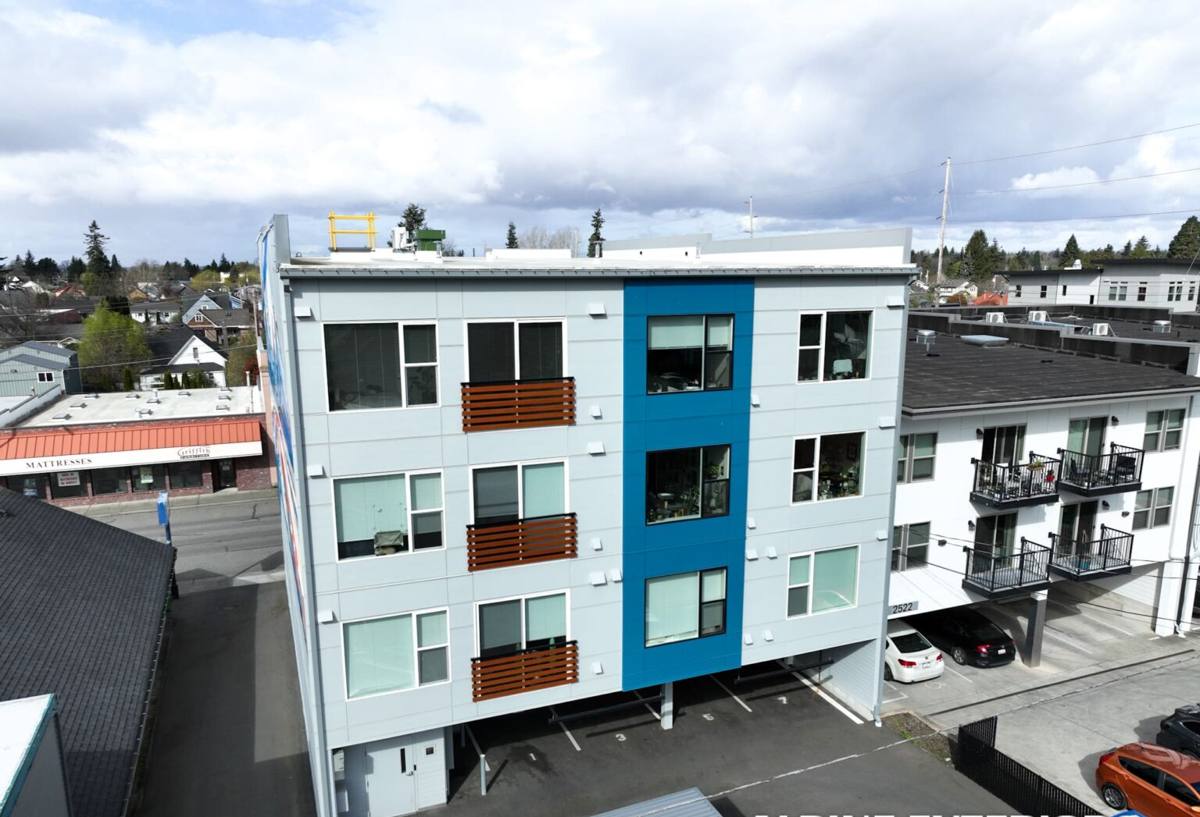
Signs a York Home's Windows Are Overdue
Window failure in this climate is usually gradual, not sudden. By the time it's obvious, moisture has often already gotten into the wall framing around the window. Homeowners in York should watch for:
- Fogging or a persistent haze between panes of double-glazed glass — a sign the seal has failed and the insulating gas has escaped
- Soft or discolored wood on the sill, jamb, or trim, especially on walls facing prevailing wind and rain
- Windows that are noticeably harder to open, close, or lock than they used to be
- Visible daylight, drafts, or whistling around the frame during windy weather
- A musty smell near windows, or bubbling paint and drywall on the interior wall below a sill
- Noticeably higher heating bills in the colder months without another explanation
Any one of these on its own might just mean a repair. Two or three together, especially on the same window, usually means the unit and its surrounding flashing have reached the end of their service life.
What a Correct Window Replacement Actually Involves
The window unit itself is maybe a third of what determines whether a replacement lasts. The rest is in the details around it, which is where most of the trouble starts on jobs done in a hurry.
Flashing and Water Management
In a climate that gets driving rain, the flashing around a window matters as much as the window. Water needs a clear path down and out, never a place to pool or wick sideways into the framing. That means proper sill pan flashing, correctly lapped house wrap, and flashing tape installed in the right order — bottom up, always shingled so water sheds outward, never trapped behind the next layer.
Air and Moisture Sealing
A window can be perfectly square and still leak if the gap between the frame and the rough opening isn't sealed correctly. We use low-expansion foam or backer rod and sealant rated for exterior use, not whatever caulk happens to be in the truck. In a house with a long moss season pressing humidity against the exterior for much of the year, a sloppy seal here is often the first thing to fail.
Fit and Support
Old openings settle and shift over the life of a house. We check that the rough opening is square, level, and structurally sound before a new window ever goes in, and we shim it so the frame isn't carrying weight it wasn't designed for. A window installed slightly out of square will bind, leak, and wear out its hardware years ahead of schedule.
Choosing Frame Materials for Whatcom County Weather
There's no single "best" window material — the right choice depends on the specific wall, its sun and wind exposure, and how much maintenance a homeowner wants to take on. Here's how the common options generally compare in a marine, high-moisture climate like Chuckanut's:
| Frame Material | Moisture & Salt Air Resistance | Maintenance | Typical Lifespan |
|---|---|---|---|
| Vinyl | Good — won't rot or corrode, but seals and hardware age over time | Low — occasional cleaning | 20–30 years |
| Fiberglass | Very good — dimensionally stable, resists moisture and salt exposure well | Low | 30–40+ years |
| Wood (unclad) | Poor without diligent upkeep — this climate is hard on exposed wood | High — regular painting/sealing required | Highly variable |
| Wood-clad (vinyl or aluminum exterior) | Good — cladding protects the wood from the weather side | Low to moderate | 25–35 years |
| Aluminum | Fair — prone to condensation and corrosion near salt air unless thermally broken | Low | 20–30 years |
As a matter of professional judgment, we steer most York homeowners away from unclad wood on walls that take direct weather, and away from non-thermally-broken aluminum near the water — not because either product is bad, but because they demand a level of upkeep or exposure tolerance that doesn't fit this specific climate well. Vinyl and fiberglass tend to be the more forgiving, lower-maintenance choices for most exposures here.
Glass Packages Worth Discussing
Double-pane, low-E glass is the baseline for this region and handles most homes well. Triple-pane adds meaningful sound dampening and a slightly warmer interior glass surface, which reduces interior condensation on cold, damp mornings — a real consideration during Chuckanut's wetter months, though it adds cost and weight. We'll talk through whether that trade-off makes sense for your specific windows rather than upselling it across the board.
Our Window Replacement Process
The same process applies whether we're replacing one window or a whole house full, though the timeline scales with the job:
- On-site assessment — we look at each window's current condition, the rough opening, and any signs of hidden moisture damage before quoting anything
- Product selection — we walk through frame material, glass package, and style options suited to that wall's exposure, not a one-size answer for the whole house
- Written estimate — clear pricing per window, with any structural repairs called out separately if we find them
- Removal and opening inspection — old units come out carefully so we can check the framing and flashing underneath before anything new goes in
- Installation — proper flashing, sealing, shimming, and fastening as described above
- Final check and cleanup — operation, seal, and finish are checked on every window before we consider the job done
Most single-window replacements are a matter of hours. A full-house replacement is typically a few days depending on window count and whether any framing repair is needed along the way.
Why a Crew That Already Works in York Matters
Window replacement done well isn't just a product decision — it's an installation decision, and installation quality depends on understanding the specific conditions a house faces. A crew that's worked other homes in York already has a feel for which wall orientations in this pocket of Chuckanut take the worst of the wind-driven rain, how far the salt air's effects tend to reach inland from the water, and how much moisture exposure the local moss season puts on north- and west-facing walls specifically. That's not something you can fully substitute with a generic checklist — it's pattern recognition built from doing the work in this exact area, on houses built in the same era and often the same way.
It also means faster, more accurate estimates. When we've already seen how a certain construction style in the neighborhood tends to be flashed, or where builders in this area commonly cut corners on older homes, we can spot problems during the initial walk-through rather than discovering them mid-installation.
What Drives the Cost of Window Replacement
Every window job is a little different, but a few factors consistently move the price up or down:
| Factor | How It Affects Cost |
|---|---|
| Frame material | Vinyl is generally the most budget-friendly; fiberglass and wood-clad options cost more upfront but often less over their lifespan |
| Glass package | Triple-pane and specialty coatings add cost over standard double-pane low-E glass |
| Window size and style | Larger units, custom shapes, and operable styles like casements typically cost more than standard double-hung windows |
| Condition of the rough opening | Rot or framing damage found during removal adds repair cost beyond the window itself |
| Number of windows | Whole-house jobs generally bring a better per-window price than single replacements |
| Access and height | Second-story or hard-to-reach windows can add labor time |
We give firm, written, per-window pricing after an in-person look — not a phone estimate — because guessing at conditions like these tends to produce numbers that don't hold up once the old window comes out.
Caring for New Windows Through the Wet Season
A properly installed window in a good material needs very little upkeep, but a bit of seasonal attention goes a long way in this climate. Rinse accumulated salt residue and grime off exterior frames a couple of times a year, especially on walls that face the water or prevailing wind. Keep an eye on caulking and sealant lines around the frame perimeter each fall before the wet season sets in, and clear any debris or moss buildup from nearby trim, sills, and drainage paths so water has a clean route away from the window rather than sitting against it.
Get a Free Estimate
If you're dealing with drafty, foggy, or hard-to-operate windows in York, we're happy to come take a look and give you a straightforward, no-pressure estimate — no obligation, just an honest read on what your windows need and what it would take to fix it right. Use the form below to get started.